
Lawn
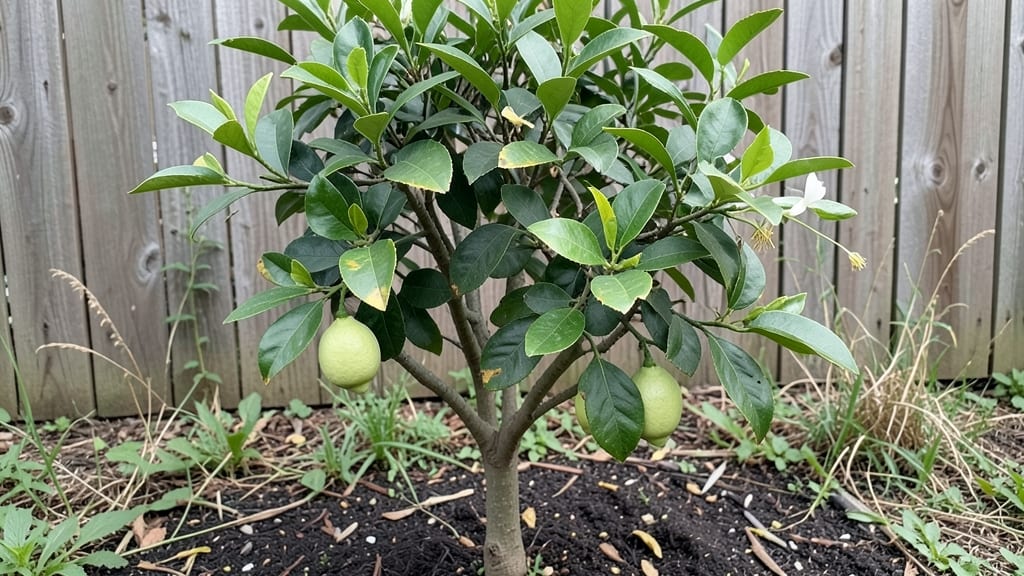
Mastering lemon seed growth sounds like a gamble—until you learn the cold stratification trick that turns flaky seeds into sturdy saplings. 🌱 I’ve nursed dozens of lemon seedlings through this process, and the key isn’t just patience—it’s mimicking nature’s... winter pause to break dormancy.
Most seeds sit for months, but with the right chill-and-warm cycle, you’ll see sprouts in 3-6 weeks instead of waiting a year.
The secret starts with fresh seeds—plump, firm, and free of mold. You’ll need a damp paper towel, a sealed bag, and a fridge for the cold treatment, plus a sunny windowsill or grow light for the germination phase.
Skip the shortcuts: I’ve tried soaking seeds overnight, but cold stratification doubles your success rate, especially in humid climates where mold becomes a problem.
By the time you’re transplanting those first true leaves into soil, you’ll have a 2-foot-tall seedling in about 12 months—not the 5+ years it takes from store-bought trees.
The real payoff? A tree that’s disease-resistant, adapted to your microclimate, and loaded with fragrant blossoms by year three. Here’s how to avoid the pitfalls most beginners hit.
This method works for Meyer lemons, Eureka varieties, and even grapefruit seeds—just adjust the chill time based on your zone. The biggest mistake? Rushing the process. Patience here means reliable blooms next year, not another failed experiment. Let’s get those seeds sprouting.
📚 In This Guide
- What you need
- Instructions
- Tips and common mistakes
- Wrapping up and next steps
What you need
- ● Fresh lemon seeds – 3–5 seeds (from organic or seed-grown lemons for best results).
- ● Well-draining potting mix – A blend of peat moss, perlite, and vermiculite (or a cactus/succulent mix). Quantity: 1 small pot (4–6 inches) or a seed tray with drainage holes.
- ● Small pots or seed trays – Size: 2–3 inches in diameter for individual seeds (or a tray with cells).
- ● Plastic wrap or humidity dome – To retain moisture during germination.
- ● Spray bottle – For gentle watering (avoid soaking!).
- ● Plastic bag or container – For cold stratification (see next section!).
- ● Tweezers or toothpick – For carefully placing seeds in soil.
- ○ Fertilizer (balanced, water-soluble) – Optional: 5-5-5 NPK ratio, diluted to half-strength once sprouts appear.
- ○ Grow lights or sunny windowsill – Optional: 6+ hours of light daily for seedlings.
- ○ Thermometer – Optional: To monitor cold stratification temps (ideal: 35–45°F).
- ○ Pruning shears – Optional: For trimming later stages if needed.
Step-by-step instructions for growing lemon trees from seed using cold stratification
Turn those kitchen scraps into a thriving citrus tree with this proven cold stratification method.
🌱 Step 1: Extract and Prepare Lemon Seeds
Cut open a fresh lemon and remove the seeds, rinsing them thoroughly to remove any pulp. Place them on a paper towel and let them air dry for 24 hours at room temperature. This prevents mold and prepares them for stratification. I like to spread them out in a single layer—crowding them can create humidity pockets that invite rot.
Once dry, store the seeds in a sealed container lined with a damp paper towel. Keep it in the fridge (35-40°F) for 6-8 weeks. This cold period mimics winter conditions, breaking seed dormancy. Check weekly—if the towel dries out, mist it lightly. You'll see the seeds swell slightly, signaling they're ready for planting.
🪴 Step 2: Plant Stratified Seeds in Growing Medium
Fill a 4-inch pot with well-draining potting mix (avoid garden soil—it compacts and suffocates roots). Moisten the mix until it feels like a damp sponge. Plant 2-3 seeds per pot about ½ inch deep, spacing them 1 inch apart. Press gently but don’t pack the soil—you want air pockets for root development.
Place the pot in a warm, bright spot (65-75°F) with indirect light for the first 2-3 weeks. Avoid direct sun—it can overheat the soil and dry out the seeds before they sprout. Cover the pot loosely with plastic wrap to retain moisture, but prop it open slightly to allow airflow. Watch for condensation on the wrap—this means humidity levels are perfect.
☀️ Step 3: Transition to Light and Gradual Hardening
Once seedlings emerge (7-14 days), remove the plastic wrap and move them to a south-facing window or under a grow light for 12-14 hours daily. Lemon seedlings need strong light to prevent leggy growth. You’ll know they’re getting enough when leaves are dark green and compact, not stretched or pale.
After 4-6 weeks, when seedlings have 3-4 true leaves, start hardening them off. Place them outside in partial shade for 1-2 hours daily, gradually increasing time over 2 weeks. This toughens their stems and leaves for outdoor conditions. Avoid full sun during this phase—it can scorch tender new growth.
✂️ Step 4: Prune and Repot for Strong Growth
When seedlings reach 6-8 inches tall, pinch off the top set of leaves to encourage bushier growth. This redirects energy to lateral branches, giving you a sturdier plant. Use clean, sharp scissors and cut just above a leaf node. You’ll see new shoots forming within 2-3 weeks—this is your reward for pruning early.
Repot into 6-inch pots with fresh potting mix when roots fill the container. Lemon trees grow slowly, so wait until you see roots circling the pot’s edges. Water deeply after repotting to settle the soil around the roots. Place the new pots in bright, indirect light for a week to help them recover from the transplant shock.
🌿 Step 5: Winter Care for Future Blooms
Bring potted seedlings indoors before first frost and place them near a sunny window or under grow lights. Reduce watering in winter—let the top 1 inch of soil dry out between waterings. Overwatering now can lead to root rot, especially in cooler conditions. You’ll notice growth slows, which is normal—lemon trees enter a dormant phase.
By spring, increase fertilization with a balanced citrus fertilizer every 4-6 weeks. This jumpstarts growth and sets the stage for blooms in 2-3 years. Keep the soil consistently moist but not soggy, and watch for new leaves—this is your signal that the tree is waking up and ready for warmer weather.
Tips & tricks for perfect lemon seed growth
These cold stratification secrets will transform your kitchen scraps into a thriving citrus tree with minimal effort.
Stratification Timing: The 6-8 week cold period is non-negotiable for breaking lemon seed dormancy. I've seen seeds fail to sprout when kept in the fridge for only 4 weeks—don't rush this process! Set a calendar reminder to check your seeds weekly. If you notice the paper towel drying out, mist it lightly with water to maintain consistent moisture without creating soggy conditions. The seeds should swell slightly by week 6, signaling they're ready for planting.
Lighting Strategy: During the 2-3 week germination phase, position your pots near an east-facing window for gentle morning light. This prevents overheating while still providing enough energy for sprouting. If using grow lights, maintain them 6-12 inches above the seedlings to avoid scorching tender leaves. I've had better success with fluorescent grow lights than LED—lemon seedlings seem to prefer the softer light spectrum.
Hardening Technique: When starting the 2-week hardening process, begin with just 1 hour of outdoor exposure on day one. Gradually increase by 30 minutes each subsequent day. I place my seedlings under a patio umbrella to provide shade while still allowing them to acclimate to outdoor conditions. Watch for any wilting—this is your signal to reduce exposure time and increase shade.
Repotting Wisdom: Wait until you see roots circling the bottom of the 4-inch pot before repotting to 6-inch containers. I gently squeeze the sides of the pot to check for root resistance—if roots are pushing back, it's time to upgrade. When repotting, water thoroughly first to help settle the soil around the roots. Place the new pots in bright, indirect light for a week to minimize transplant shock.
Pro Tips for Lemon Seed Growth
- These cold stratification secrets will transform your kitchen scraps into a thriving citrus tree with minimal effort.
- Stratification Timing: The 6-8 week cold period is non-negotiable for breaking lemon seed dormancy.
- Lighting Strategy: During the 2-3 week germination phase, position your pots near an east-facing window for gentle morning light.
Frequently asked questions
How long does it take for lemon seeds to sprout?
With cold stratification, lemon seeds typically sprout in 2–6 weeks after planting. Keep soil moist (not soggy) and warm (70°F+), and patience is key—some stubborn seeds take longer! If nothing emerges after 8 weeks, gently check for rot or replant fresh seeds.
Why do I need cold stratification for lemon seeds?
Lemon seeds (like many citrus varieties) require a cold period to break dormancy. Without it, germination rates drop drastically. Cold stratification mimics winter, signaling the seed it’s safe to grow. Skip this step? You might wait years for sprouts—or never see them!
Can I grow lemon seeds indoors without sunlight?
Yes, but you’ll need a grow light (12–16 hours/day). Place seeds near a sunny window or use a fluorescent bulb. Without light, seedlings become leggy (weak stems) or fail to thrive. A south-facing window works temporarily, but artificial light ensures consistent growth.
What if my lemon seed turns moldy or smells bad?
Overwatering or poor drainage causes mold. Troubleshoot:
- Check soil moisture—it should feel damp like a wrung-out sponge.
- Ensure pots have drainage holes to prevent soggy roots.
- If mold appears, remove the seed and replant in fresh, sterile soil.
- Add a fungicide (like neem oil) if needed.
Can I plant lemon seeds directly outside?
Only in warm climates (USDA Zones 9–11) after the last frost. Most regions need to start seeds indoors (6–8 weeks before last frost) or in a greenhouse. Outdoor planting risks frost damage or slow growth. If you’re in a cooler zone, wait until soil is at least 60°F.
Pro Tip:
Label your seeds! Lemon seedlings look like many other plants until they bloom. Use toothpicks + masking tape to track varieties—especially if testing different citrus seeds.
Wrapping up and next steps
Growing lemons from seed is a rewarding journey that blends patience with the joy of nurturing life! By mastering cold stratification and providing the right care, you’ll set the stage for vibrant blooms and sweet fruit in the future.
Whether you’re a seasoned gardener or a curious beginner, every small step—from seed to sapling—brings you closer to that first tangy harvest. 🌱
Ready to take the next step? Start by planting your prepped seeds in well-draining soil and watch your garden transform. Share your progress with fellow plant lovers or dive deeper into advanced lemon tree care—your citrus adventure is just beginning!