Picking
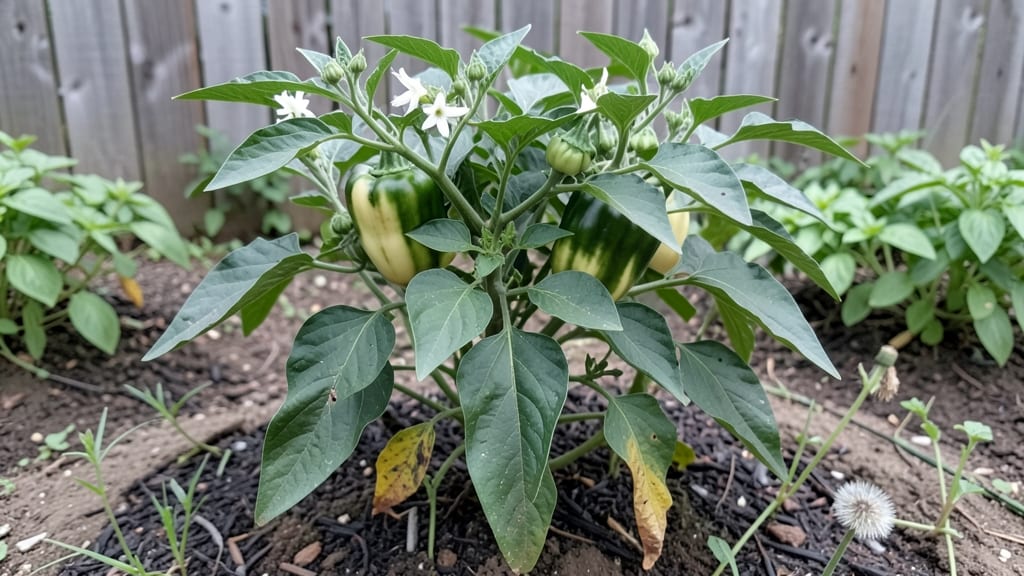
Sweet peppers seeds sprout twice as fast when you use this cold stratification trick—no fancy equipment needed. I’ve been growing sweet peppers from seed for years, and this simple technique cuts germination time from weeks to just 5-7 days.
The secret is mimicking the natural chilling period peppers experience in the ground before popping up.
You’ll need a few basic supplies: a plastic bag, damp paper towels, and a fridge. No special soil mixes or heat mats required—just patience and a cool spot.
This method works for any sweet pepper variety, from bell peppers to banana peppers, and gives seedlings a stronger start before they even hit the soil.
By the time you transplant, your seedlings will be stocky and ready to handle the garden. You’ll avoid the leggy, weak plants that come from slow starts, and the first harvest arrives 2-3 weeks earlier than traditional seed-starting methods. The trick is simple, but the results are shockingly consistent.
Perfect for gardeners in cooler climates or those who just want to get a head start. Once you try this, you’ll never go back to waiting weeks for those first green shoots. Let’s get those seeds sprouting faster than ever!
📚 In This Guide
- What you need
- Instructions
- Tips and common mistakes
- Wrapping up and next steps
What you need
- ● Sweet pepper seeds – Choose heirloom or hybrid varieties (e.g., Bell, Banana, or Jalapeño). Buy 10-20 seeds for a small harvest.
- ● Seed-starting mix – A lightweight, sterile potting mix (avoid garden soil). A 10-15 lb bag is ideal for beginners.
- ● Seed trays or small pots – Use biodegradable pots or 2-3 inch cell trays (6-12 cells per tray).
- ● Plastic wrap or humidity dome – Keeps moisture in during stratification (1 roll or pre-made dome).
- ● Spray bottle – For gentle watering (16 oz capacity with a fine mist nozzle).
- ● Refrigerator or cold stratification setup – A cool, dark space (34-40°F / 1-4°C) for 7-14 days.
- ● Grow lights or sunny windowsill – After stratification, peppers need 12-16 hours of light/day.
- ● Plant labels & marker – Track varieties (e.g., 50 labels).
- ○ Heat mat (optional) – Speeds germination post-stratification (1-2 settings, 70-75°F).
- ● Fertilizer (balanced, 10-10-10 or 5-5-5) – Light dose after true leaves appear (½ tsp per gallon of water).
- ○ Humidity tray (optional) – Helps maintain moisture if your space is dry.
- ● Tweezers or toothpick – For gentle seed placement (1 pair).
Instructions for cold stratifying sweet pepper seeds
This method cuts germination time in half—here’s how to do it right.
Soak Seeds to Soften the Coating
Fill a small bowl with room-temperature water and add your sweet pepper seeds. Let them soak for 12-24 hours—this softens the tough outer coating and speeds up germination. I like to place a mesh bag or paper towel over the bowl to keep seeds contained while they soak.
After soaking, drain the water completely. Pat the seeds dry with a clean paper towel—this prevents mold from forming during stratification. The seeds should feel slightly damp but not wet. This step ensures they’ll break through the soil faster once planted.
Moisten Paper Towels and Seal in a Bag
Lay a few paper towels in a shallow dish and lightly mist them with water until damp but not soaking. Arrange the soaked seeds in a single layer on the towels, spacing them about ½ inch apart to avoid crowding. Fold the towels over the seeds to keep them enclosed.
Place the sealed packet inside a quart-sized zip-top bag and squeeze out excess air before sealing. This creates a humid environment that mimics natural moisture conditions. Label the bag with the seed variety and date—you’ll track germination progress later.
Stratify in the Fridge for 7-14 Days
Store the bag in your refrigerator, where temperatures hover around 35-40°F. Check the seeds every 3-4 days to ensure the towels stay moist. If they dry out, mist them lightly again—never let them sit bone-dry, or germination will stall.
After 7-14 days, remove the bag and place it in a warm spot (70-75°F) to trigger germination. You’ll see tiny white roots emerge within 24-48 hours. This cold treatment mimics winter’s natural dormancy period, fooling seeds into thinking spring has arrived.
Plant Stratified Seeds in Warm Soil
Fill seed-starting trays with moistened seed-starting mix and press it down gently to remove air pockets. Plant the stratified seeds ¼ inch deep, spacing them 1 inch apart in the tray. Cover lightly with additional mix and mist the surface with water until evenly damp.
Place the trays under a grow light or in a sunny window (65-75°F). Germination should occur within 5-7 days—much faster than unstratified seeds, which can take 2-3 weeks. Keep the soil consistently moist but never soggy to prevent damping-off.
Transplant Seedlings When Ready
Once seedlings develop 2-3 true leaves (about 4-6 weeks after planting), they’re ready to move into larger containers or the garden. Harden them off by placing them outside in partial shade for 1-2 hours daily, gradually increasing exposure over 7-10 days. This prepares them for full sun.
Transplant after the last frost date, spacing plants 12-18 inches apart in well-draining soil. Sweet peppers thrive in full sun and warm temperatures—stratification gives them a head start for a bountiful harvest.
Tips & tricks for perfect sweet pepper seed stratification
Here’s how to maximize your success with cold stratification—these little details make all the difference when you’re working with sweet pepper seeds.
Timing Secret: The 12-24 hour soak in Step 1 is your first critical window. If you’re short on time, you can extend this to 48 hours without harming the seeds, but don’t go beyond that—longer soaking can weaken the seed’s natural defenses. I’ve found that 24 hours is the sweet spot for most varieties, giving you the best balance between softened coating and preserved vigor.
Moisture Control: In Step 3, maintaining consistent moisture is everything. The refrigerator’s dry air can pull moisture from your paper towels surprisingly fast. I recommend placing a small cup of water in the fridge near your seed bag—this adds humidity to the environment and helps prevent drying out between checks. Just avoid making it soggy, as that can lead to mold.
Temperature Transition: The shift from 35-40°F in the fridge to 70-75°F for germination in Step 3 is what triggers those white roots to appear. To make this transition smoother, I like to move the bag to a warm spot (like on top of the fridge) for about 1-2 hours before placing it in direct warmth. This gradual change mimics natural spring conditions and helps prevent shock to the seeds.
Planting Depth: When you plant those stratified seeds in Step 4, that ¼-inch depth is crucial. Any deeper and they’ll struggle to push through the soil, while any shallower and they may dry out. I use a toothpick to make small holes—it gives you better control than pressing seeds into loose soil. After planting, give the trays a gentle tap to settle the soil around the seeds without compacting it too much.
Pro Tips for Sweet Peppers Seeds
- Here’s how to maximize your success with cold stratification—these little details make all the difference when you’re working with sweet pepper seeds.
- Timing Secret: The 12-24 hour soak in Step 1 is your first critical window.
- Moisture Control: In Step 3, maintaining consistent moisture is everything.
Frequently asked questions
about growing sweet pepper seeds—especially with cold stratification—can make or break your harvest! Here are the answers to the most common queries to help you get started with confidence.Do sweet pepper seeds really need cold stratification?
Not always! While cold stratification (chilling seeds for 1–2 weeks) can speed up germination for some varieties, many sweet pepper seeds will still sprout fine without it. However, if you’re in a cooler climate or starting seeds early, stratification can give you a head start—especially for slower varieties like ‘Black Beauty’ or ‘NuMex Sandia’.
How long should I cold-stratify sweet pepper seeds?
Most sweet pepper seeds benefit from 7–14 days of cold stratification. Place them in a sealed bag with damp paper towels in the fridge (not the freezer!). After stratification, sow seeds ½ inch deep in warm soil (70–85°F) for best results. Pro tip: If you forget, don’t panic—just plant them as usual, but expect slower germination.
What’s the best soil temperature for germinating sweet pepper seeds?
Sweet peppers are heat-loving! Ideal soil temps for germination are 70–85°F. If your home is chilly, use a seedling heat mat ($10–$20) or place pots in a warm spot like on top of the fridge. Avoid cold windowsills—peppers hate the cold!
Can I use regular potting soil for sweet pepper seeds?
Yes, but avoid garden soil—it’s too dense and may harbor diseases. Opt for a light, sterile seed-starting mix (like Pro Mix or Fox Farm Seedling Mix) to prevent damping-off. Mix in 10–20% perlite or vermiculite for better drainage.
My sweet pepper seeds aren’t germinating—what’s wrong?
Common culprits:
- Too cold: Use a heat mat or move to a warmer spot.
- Too wet/dry: Keep soil consistently moist (not soggy).
- Old seeds: Sweet peppers lose viability after 1–2 years.
- Poor soil: Try a fresh batch of seed-starting mix.
If seeds still refuse to sprout after 3 weeks, they may be duds. Try a new packet!
Wrapping up and next steps
Growing sweet peppers from seeds can be a rewarding journey, especially when you unlock the secret of cold stratification to speed up germination! 🌱 With the right materials, patience, and a dash of science, you’ll soon be enjoying vibrant, homegrown peppers packed with flavor.
Now that you’re armed with the know-how, it’s time to roll up your sleeves and get planting—your garden (and taste buds) will thank you!
Ready to take the next step? Start by ordering your favorite sweet pepper seeds and setting up your stratification station. Soon, you’ll be harvesting crisp, colorful peppers straight from your backyard! 🌿