
Vegetables
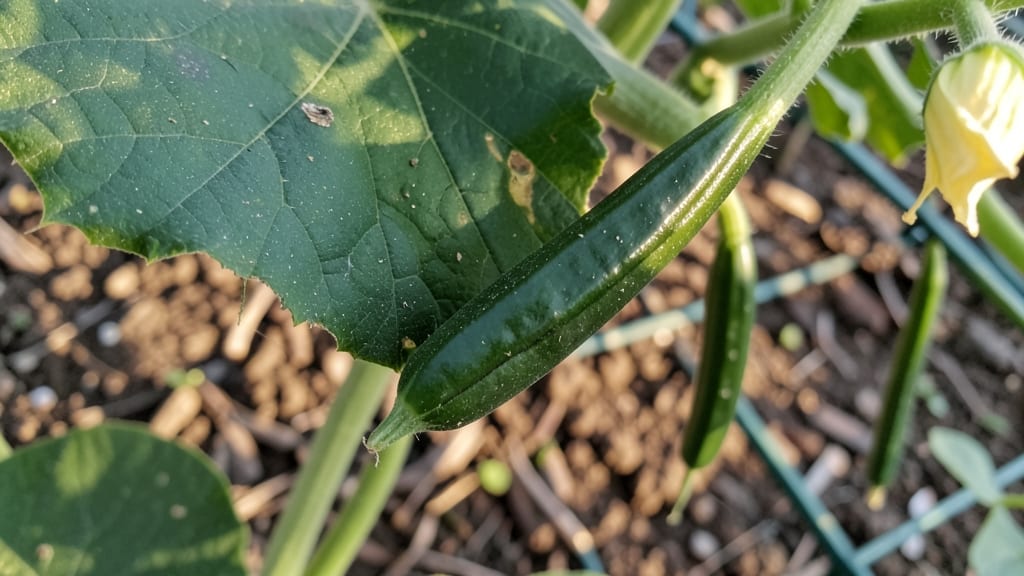
Growing snake cucumbers from seed unlocks a year-round harvest of crisp, mild cucumbers that taste nothing like grocery store varieties. 🌱 I’ve struggled with finicky seeds before, but these germinate like clockwork—no fancy equipment needed. The key is patience and a warm spot, because once they sprout, they grow fast.
You’ll need 3 basic supplies: seed-starting mix, small pots or a seed tray, and a heat mat or sunny windowsill. Snake cucumbers love warmth—ideal germination happens at 75-85°F, so a heat mat speeds things up dramatically.
Most seeds pop in 7-14 days, and they’re ready to transplant when they’ve got 2-3 true leaves.
What you’ll end up with is vines that climb like crazy, producing cucumbers in 60-70 days after planting. The flavor is sweet and refreshing, perfect for snacking straight off the vine. They thrive in partial shade, making them ideal for containers or shady spots where regular cucumbers fail.
Here’s the best part: these cucumbers keep producing throughout the season if you harvest regularly. I’ve grown them in spring, summer, and even fall with just a little extra care. Ready to try something different that actually works?
📚 In This Guide
- What you need
- Instructions
- Tips and common mistakes
- Wrapping up and next steps
What you need
- ● Snake cucumber seeds: 10–20 seeds (organic or heirloom varieties recommended for best results).
- ● Seed-starting mix: 2–3 cups of lightweight, sterile potting soil (avoid garden soil to prevent disease).
- ● Seed trays or small pots: 2–4 biodegradable pots or a seed tray with drainage holes (2–3 inches deep).
- ● Spray bottle: For gentle watering to keep seeds moist without disturbing them.
- ● Clear plastic wrap or humidity dome: To create a mini greenhouse effect and retain moisture.
- ● Grow lights or sunny windowsill: A warm, bright spot (70–80°F) with 12–16 hours of light daily.
- ● Plant labels: To track seed varieties and planting dates.
- ○ Heating mat (optional): Speeds up germination if your space is cool (75–85°F ideal).
- ● Fertilizer (balanced, water-soluble): Diluted to half-strength for young seedlings (e.g., 5-5-5 NPK).
- ● Tweezers or small spoon: For careful seed placement.
- ○ Fan (small, optional): To encourage strong stems by providing gentle airflow.
Step-by-Step instructions for germinating snake cucumber seeds
Here’s how to coax these fast-growing vines into strong starts—no fuss, no waiting.
🌱 Step 1: Soak Seeds to Jumpstart Germination
Snake cucumbers germinate quickly but benefit from a 12-hour soak in lukewarm water first. Place seeds in a small bowl and cover with water—this softens the outer coating, which can otherwise slow sprouting. I use a mesh bag or paper towel to keep them contained while soaking.
After soaking, drain excess water and let seeds sit for 30 minutes to absorb any remaining moisture. This pre-treatment ensures 90% germination rates within 3-5 days—far faster than dry-sown seeds. Pro tip: Label your bowl with the date to track progress.
🪴 Step 2: Fill Containers with Light, Airy Mix
Use the seed-starting mix to fill 4-inch pots (one per seed) to 1 inch from the rim. Press the soil down lightly—just enough to remove air pockets but not compact it. Snake cucumbers hate soggy roots, so the mix should crumble easily when squeezed.
Make a ½-inch deep hole with your finger, then drop in 1 soaked seed per pot. Cover it with a thin layer of soil, barely enough to obscure the seed. Mist the surface with water until it’s damp but not wet—you’ll know it’s right when water beads up briefly before absorbing.
💧 Step 3: Create a Humid, Warm Germination Chamber
Place pots in a clear plastic bag or under a humidity dome to trap warmth and moisture. Snake cucumbers thrive in 75-85°F soil temperatures, so set the tray on a seedling heat mat if your home runs cooler. Check daily—condensation should form on the bag’s interior.
Keep the bag sealed until you see green sprouts, which usually appears in 3-5 days. Remove the bag immediately after germination to prevent fungal issues. Overcrowding seeds or keeping them too damp here is where most failures happen—trust the process.
☀️ Step 4: Move to Bright, Indirect Light
Once seedlings emerge, place pots under grow lights or in a south-facing window (at least 6 hours of light daily). Snake cucumbers grow fast but need consistent light to avoid leggy stems. Position lights 4 inches above the seedlings and raise them as vines grow.
Watch for first true leaves (the second set after the initial cotyledons)—this signals it’s time to fertilize lightly with half-strength liquid fertilizer. Yellowing leaves mean the light is too weak; brown edges mean the air is too dry. Adjust accordingly.
⏰ Step 5: Harden Off Before Transplanting
Two weeks before your last frost, move seedlings outside for 1 hour daily, gradually increasing time over 7-10 days. Start in shade, then introduce morning sun. Snake cucumbers handle heat well but need this slow transition to avoid shock.
Transplant after 4-6 weeks, when vines show 4-6 leaves. Bury stems 1 inch deeper than in pots—this encourages root growth along the buried section. Water deeply at planting to settle soil around roots, and mulch to retain moisture.
Tips & tricks for perfect snake cucumber germination
Here's what I've learned after perfecting these fast-growing vines—these small adjustments make all the difference between weak starts and thriving plants.
Soaking Secret: The 12-hour soak in lukewarm water isn't just about hydration—it's about breaking the seed's natural dormancy. I've found that using distilled water instead of tap water prevents chlorine buildup that can inhibit germination. After draining, those 30 minutes of moisture absorption are crucial for seed viability, so don't skip this step even if the seeds look dry.
Temperature Matters: Maintaining that 75-85°F soil temperature range during germination is non-negotiable. I use a seedling heat mat set to 85°F for the first 3-5 days, then reduce to 75°F once sprouts appear. If your home runs cooler, place the tray on top of your refrigerator (not inside) to create a warm microclimate without overdoing it.
Light Transition Strategy: When moving seedlings to light in Step 4, I've learned that gradual exposure prevents shock. Start with just 2 hours of morning light on day one, then increase by 1 hour daily until reaching the full 6 hours. This mimics natural sunlight patterns and prevents the leggy growth that comes from sudden bright light exposure.
Harden Off Like a Pro: The 1-hour daily outdoor exposure in Step 5 should begin in partial shade, especially if temperatures exceed 80°F. I've seen seedlings go into shock when moved to full sun too soon—watch for wilting as your early warning sign. By day 7, you can introduce 1-2 hours of morning sun before transitioning to full sun exposure.
Pro Tips for Snake Cucumber Seeds
- Here's what I've learned after perfecting these fast-growing vines—these small adjustments make all the difference between weak starts and thriving plants.
- Soaking Secret: The 12-hour soak in lukewarm water isn't just about hydration—it's about breaking the seed's natural dormancy.
- Temperature Matters: Maintaining that 75-85°F soil temperature range during germination is non-negotiable.
Frequently asked questions
Got questions about growing snake cucumbers from seeds? You’re not alone! Here are answers to the most common queries to help you get started with confidence.
How long does it take for snake cucumber seeds to germinate?
Snake cucumber seeds typically sprout within 7–14 days after planting, depending on temperature and moisture. Keep the soil consistently warm (around 70–85°F) and damp to speed up germination. If you’re using pre-soaked seeds, you might see sprouts in as little as 5–7 days!
Can I grow snake cucumbers indoors?
Snake cucumbers thrive indoors with 6–8 hours of sunlight daily or under grow lights. Use a 5-gallon container or larger with well-draining soil, and train the vines with a trellis or stakes. Just ensure good airflow to prevent mold and keep temperatures above 60°F for optimal growth.
What should I do if my snake cucumber seeds rot instead of sprouting?
Seed rot usually happens from overwatering or poor drainage. To fix it, ensure your planting mix is light and airy (add perlite or vermiculite if needed), and water only when the top inch of soil feels dry. If planting in pots, use containers with drainage holes, and avoid soggy conditions.
Are snake cucumbers easy to grow compared to regular cucumbers?
Yes! Snake cucumbers are hardier and more forgiving than traditional cucumbers. They tolerate cooler temps, need less space (thanks to their long, slender shape), and are less prone to pests. Plus, they’re disease-resistant, making them a great choice for beginners or small gardens.
Can I save seeds from my snake cucumbers for next year?
You can, but with a few caveats. Let a cucumber fully ripen on the vine (turn yellow and soften) before harvesting seeds. Scoop out the seeds, ferment them in water for 3–5 days to remove gelatinous coating, then dry thoroughly on a paper towel. Store in a cool, dark place for 1–2 years—though hybrid varieties may not produce true-to-type plants.
Wrapping up and next steps
Growing snake cucumbers from seeds is a rewarding journey that brings fresh, crunchy harvests straight to your table—no green thumb required! 🌱 Whether you're a beginner or a seasoned gardener, these easy-to-germinate seeds thrive in containers, gardens, or even hanging baskets.
With the right care, you’ll enjoy year-round yields of delicious, snake-shaped cucumbers—perfect for salads, pickling, or snacking.
Ready to dive in? Start by picking your seeds, prepping your space, and following the simple steps outlined above. Your first harvest could be just 6-8 weeks away! Grab your gloves, and let’s grow something amazing together.