Planting
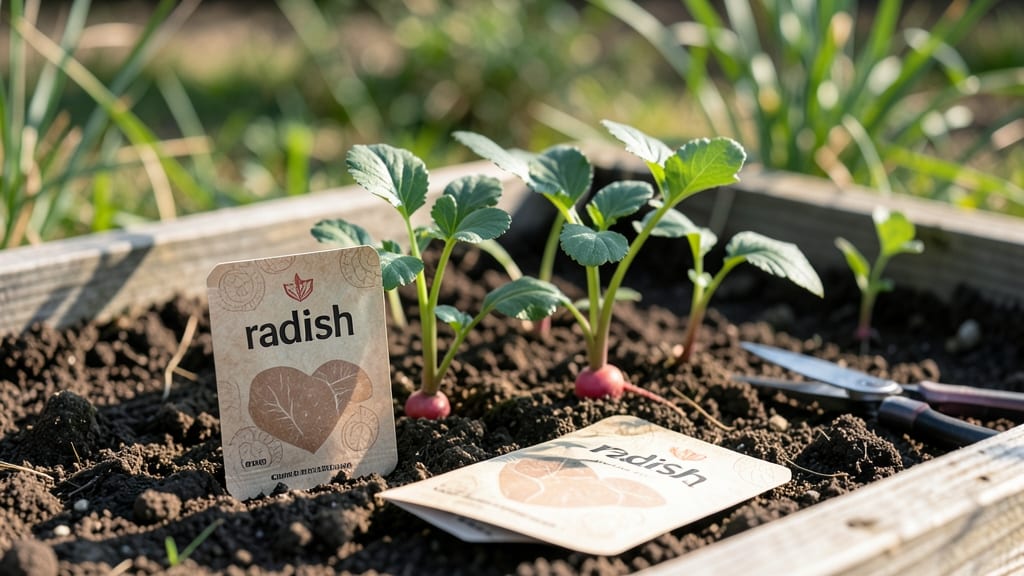
Planting radish seeds gives you crisp, peppery harvests in just three weeks—no chilling required. I’ve grown radishes for years, and the secret to fast germination lies in warm soil, shallow planting, and consistent moisture.
Most people overlook how quickly radishes respond to the right conditions, but once you try it, you’ll never buy them again.
You’ll need well-draining soil, a sunny spot, and seeds from quick varieties like ‘Cherry Belle’ or ‘French Breakfast.’ Radishes thrive in containers too—just use a deep pot with drainage.
The key is planting ½ inch deep and keeping soil moist until those first green sprouts appear in 3-5 days. Too-deep planting or dry soil slows everything down.
Within 21 days, you’ll be harvesting bright red radishes with crisp textures and sharp flavors. The plants stay compact, so they’re perfect for small gardens or even windowsill containers.
Just watch for overcrowding—thin seedlings to 2 inches apart once they’re an inch tall—and you’ll avoid the bitter, woody radishes that come from competition.
This method works in spring and fall, even in cooler climates. For summer planting, opt for heat-tolerant varieties like ‘Black Spanish’ and keep the soil consistently damp. Once you master radishes, you’ll wonder why you ever bought them from the store!
📚 In This Guide
- What you need
- Instructions
- Tips and common mistakes
- Wrapping up and next steps
What you need
- ● Radish seeds: Choose fast-maturing varieties like 'Cherry Belle' or 'Early Scarlet Globe' (1–2 packets, ~20–30 seeds per packet).
- ● Containers: Seed trays (1020-cell or 72-cell) or biodegradable pots (3–4 inches deep).
- ● Growing medium: Seed-starting mix (1–2 cubic feet) or well-draining potting soil (avoid garden soil—it’s too dense!).
- ● Watering can or spray bottle: With a fine mist nozzle for gentle hydration.
- ○ Grow lights (optional but helpful): LED or fluorescent (12–16 inches above seedlings, 12–14 hours/day).
- ● Plant labels: Small sticks or markers to track varieties.
- ○ Heat mat (optional): Germination mat (70–80°F range) to speed up sprouting.
- ● Fertilizer: Water-soluble, low-nitrogen formula (e.g., 5-10-10) for transplanting.
- ● Humidity dome: To retain moisture during germination.
- ● Thermometer/hygrometer: Monitor soil temp (ideal: 60–75°F).
- ● Compost or worm castings: Boost soil fertility post-germination.
Instructions for planting radish seeds with rapid germination
Here’s how to get those quick-sprouting radishes popping up in just five days without any cold treatment.
Prepare the Soil for Optimal Germination
Radishes thrive in loose, fertile soil that drains well—no compacted earth here. Work the 2 gallons of garden soil and 1 pound of compost together until you get a crumbly texture. I like to sift out any large clumps so the roots have room to spread. The goal is soil that holds moisture but won’t suffocate tender seedlings.
Test the moisture by squeezing a handful—it should hold together lightly but not drip. If it’s too dry, add a little water and mix again. Radishes are sensitive to soggy soil, so drainage matters. Amend the bed with 1 tablespoon of balanced fertilizer (10-10-10) per square foot to give them a nutrient boost right from the start.
Sow Seeds Directly for Fastest Results
Skip the transplanting hassle—radishes grow best when sown directly where they’ll mature. Scatter the 1 packet of radish seeds (about ½ teaspoon) in a shallow trench ½ inch deep. I space mine 1 inch apart in rows 12 inches apart to prevent overcrowding later. Press the seeds lightly into the soil so they make good contact—this ensures consistent moisture uptake.
Cover them with a thin layer of soil, then sprinkle a ¼ inch of vermiculite over the top to retain moisture without smothering the seeds. Water gently with a fine spray nozzle until the surface looks evenly damp. Avoid soaking the soil, or you’ll risk washing seeds deeper than ideal. A light mist is all they need to start the germination process.
Maintain Consistent Moisture for Speed
Radishes germinate fastest when soil stays evenly moist but not waterlogged. Check daily—if the top ½ inch of soil feels dry, water again. I use a 1-gallon watering can with a fine rose to deliver a gentle shower over the bed. Avoid overhead watering once sprouts appear; direct the stream at the base to prevent fungal issues.
Keep the soil temperature between 60-70°F for the quickest results. If your climate runs cooler, consider a lightweight row cover to trap warmth. Within 3-5 days, you’ll see tiny green sprouts pushing through the soil. This is your cue that everything’s working—no chilling required!
Thin Seedlings for Stronger Plants
Once seedlings reach 1 inch tall, it’s time to thin them to 2 inches apart. Use a small pair of scissors or your fingers to snip the extras at soil level—pulling risks disturbing the roots of remaining plants. I always leave the healthiest, most vigorous seedlings, as they’ll grow the fastest and produce the best harvest.
Thinning might feel wasteful, but it’s crucial for radish development. Crowded plants compete for nutrients and light, leading to small, pithy roots. After thinning, give the bed a light watering to help the remaining seedlings recover. You’ll notice within a week that the kept plants are bushier and greener—proof that thinning paid off.
Monitor for Pests and Harvest Early
Radishes grow fast, so keep an eye out for pests like flea beetles or aphids. If you spot holes in leaves or sticky residue, treat with neem oil spray as needed. I check my beds every 2-3 days during the growing season to catch issues early. Radishes are ready to harvest when they reach ¾ to 1 inch in diameter, usually 3-4 weeks after sowing. Pull them gently by the leaves—twisting can damage the roots.
Here’s the thing—radishes left in the ground too long turn woody and bitter. Harvest at the right size for crisp, sweet roots. Store them in the fridge for up to 2 weeks, or enjoy them fresh in salads and sandwiches. With this method, you’ll have a steady supply of homegrown radishes in record time.
Tips & tricks for planting radish seeds with rapid germination
These practical insights will help you achieve those fast-sprouting radishes in just five days without any cold treatment—no guesswork, just results.
Soil Texture Matters: The crumbly texture you create by mixing 2 gallons of garden soil and 1 pound of compost is non-negotiable. I learned this the hard way after planting in dense soil that suffocated my seedlings. Use a garden fork to break up any remaining clumps until the soil resembles fine sand. This aeration ensures roots can spread quickly, which is critical for that rapid germination we're aiming for.
Seed Placement Precision: When sowing your ½ teaspoon of radish seeds in that ½-inch deep trench, think of it like planting fine jewelry—too shallow and they'll dry out, too deep and they'll struggle to reach the surface. I press each seed lightly with my thumb to ensure firm soil contact, then cover with just enough soil to obscure them completely. This consistent depth creates uniform germination times across your entire bed.
Moisture Management: The ½-inch soil moisture check is your best friend during germination. I use a simple finger test: if the top half-inch feels like a damp sponge, you're golden. If it's dry, water immediately with that 1-gallon watering can using the fine rose attachment. The key is maintaining even moisture without creating soggy conditions—radishes hate waterlogged soil. I've found that morning watering works best, giving any excess moisture time to evaporate before evening.
Temperature Control: That 60-70°F soil temperature range isn't just a suggestion—it's the sweet spot for rapid germination. If your climate typically runs cooler, invest in a lightweight row cover to create a microclimate. I've seen germination times double when soil temperatures drop below 60°F. For maximum speed, consider using a seedling heat mat under your planting bed during cooler periods. The goal is to mimic spring conditions when radishes naturally germinate quickly.
Pro Tips for Plant Radish Seeds
- These practical insights will help you achieve those fast-sprouting radishes in just five days without any cold treat...
- Soil Texture Matters: The crumbly texture you create by mixing 2 gallons of garden soil and 1 pound of compost is non...
- Seed Placement Precision: When sowing your ½ teaspoon of radish seeds in that ½-inch deep trench, think of it like pl...
Frequently asked questions
Got questions about planting radish seeds? You’re not alone! Here are some of the most common queries—and their quick, no-nonsense answers—to help you grow a thriving radish harvest.
How deep should I plant radish seeds?
Radish seeds should be planted about ½ inch deep in well-draining soil. Since they’re small, a light sprinkle of soil over them is enough—just enough to cover them without burying them too deep. This ensures they get the moisture they need without rotting.
Why aren’t my radish seeds germinating?
Slow germination often comes down to temperature, moisture, or soil conditions. Radishes love soil between 60–75°F (15–24°C). If your soil is too cold or dry, try soaking the seeds overnight before planting or using a seed-starting mat. Also, ensure they’re in full sun (6+ hours/day).
Can I plant radish seeds in containers?
Radishes thrive in containers at least 6 inches deep with good drainage. Use a lightweight potting mix and plant seeds 1 inch apart. Just be sure to thin seedlings to 2–3 inches apart once they sprout to avoid crowding.
Do radish seeds need chilling to germinate faster?
Not at all! Unlike some cool-season crops, radishes don’t require chilling—they germinate quickly (often in 3–5 days) in warm soil. The key is consistent moisture and warmth. If your soil is cold, wait until it warms up to 50°F (10°C) or higher for best results.
What’s the best radish variety for beginners?
Start with fast-growing, easy-to-harvest varieties like:
- Cherry Belle (round, sweet, ready in 25 days)
- French Breakfast (long, mild, 30 days)
- Easter Egg (colorful, 28 days)
Wrapping up and next steps
Growing radishes from seed is a rewarding and fast way to enjoy fresh, crunchy harvests—no chilling required! 🌱 With the right soil, spacing, and care, you’ll see sprouts in just five days, proving that patience (and a little know-how) pays off.
Whether you’re a beginner or a seasoned gardener, radishes are the perfect crop to build confidence and excitement for your green thumb.
Ready to dive in? Start by gathering your supplies, prep your soil, and plant those seeds—your kitchen (and taste buds) will thank you! Happy planting! 🌟