
Pruning
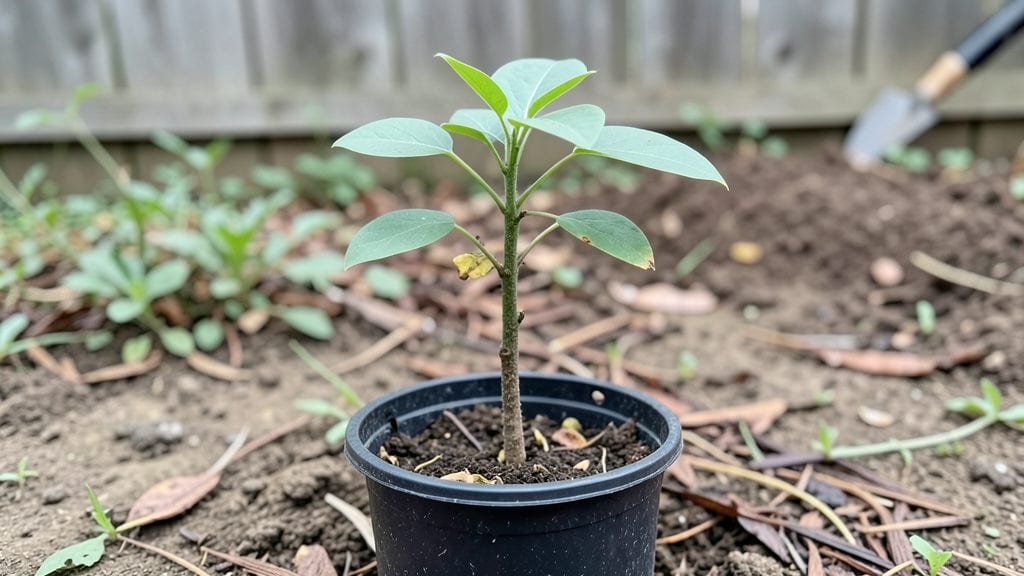
Growing a silk tree from seedling feels like watching a tiny forest sprout in your backyard. ✨ These fast-growing trees shoot up 12 inches in their first year, turning your garden into a lush canopy faster than you’d expect.
The secret? Their seeds germinate in just 7-14 days when given the right mix of warmth and moisture—no waiting months like with other trees.
You’ll need well-draining soil (think 50% potting mix, 50% perlite) and a spot with full sun for at least 6 hours a day. Overwatering is the biggest rookie mistake—silk trees hate soggy roots, so let the top inch dry out between waterings.
Once seedlings hit 4-6 inches, they’re tough enough to handle transplanting into the ground, where they’ll reward you with fuzzy pink blooms by summer.
The payoff is worth the patience: these trees thrive in heat, attract pollinators, and their feathery foliage turns golden in fall. By year two, you’ll have a shade-providing giant that outshines most nursery trees—all from a seed you planted yourself. Here’s how to keep them thriving from day one.
Works in zones 6-10, though they’re drought-tolerant once established. Fair warning: they spread widely, so give them room or prune young branches to shape them early. The faster they grow, the sooner your neighbors will ask for cuttings.
📚 In This Guide
- What you need
- Instructions
- Tips and common mistakes
- Wrapping up and next steps
What you need
- ● Silk tree seeds: 10–20 fresh, viable seeds (harvested from pod clusters or purchased from a nursery). Pro tip: 💡 Soak seeds in warm water for 12–24 hours to speed up germination!
- ● Seed-starting mix: 5–10 lbs of well-draining, sterile potting soil (e.g., a 50/50 blend of peat moss and perlite).
- ● Containers: 3–5 small pots (4–6 inches deep) with drainage holes, or a seed tray with individual cells.
- ● Grow lights or sunny window: A sunny spot (6+ hours of light/day) or a grow light for seedlings.
- ● Spray bottle: For gentle watering to keep soil moist but not soggy.
- ● Plastic wrap or humidity dome: To retain moisture during germination.
- ● Pruning shears: Small, sharp pair for trimming pods/seeds (if harvesting yourself).
- ○ pH test kit (optional): To check soil pH (ideal: 6.0–7.5 for silk trees).
- ○ Fertilizer (optional): Balanced, water-soluble fertilizer (e.g., 10-10-10) for post-germination growth.
- ○ Heat mat (optional): If germinating in cool climates (70–80°F speeds up sprouting!).
- ● Hardening-off supplies (later stage): Shade cloth or gradual outdoor acclimation setup.
Step-by-step instructions for growing a silk tree seedling
Here's how to jumpstart your silk tree with rapid germination and robust early growth.
🌱 Step 1: Prepare the Seedling Mix and Container
Silk tree seedlings thrive in loose, well-draining soil that mimics their natural forest floor conditions. Use a blend of 50% potting mix and 50% perlite or coarse sand—this prevents compaction and mimics the airy soil of their native habitat. Fill a 6-inch deep container with this mix, leaving 1 inch of space at the top for watering.
Gently press the mix down with your fingers until it's firm but not packed—you want it to hold shape when squeezed but still crumble easily. This ensures roots can penetrate without struggling. I like to add a handful of compost to the mix for extra nutrients, but skip fertilizers at this stage; young seedlings can't handle concentrated salts.
💧 Step 2: Soak and Plant the Seeds
Silk tree seeds have a hard outer coating that slows germination—soak them in lukewarm water for 24 hours first. This softens the shell and triggers faster sprouting. After soaking, plant 2-3 seeds per container at a depth of ½ inch. Planting too deep delays germination because the seedling must push through more soil.
Cover the seeds lightly with additional mix, then mist the surface with water until evenly moist. A spray bottle works best—you want the soil to feel damp but not soggy. Place the container in a warm spot (70-75°F), like on top of a refrigerator or near a sunny window. You'll see sprouts in 7-14 days, though some may take up to 3 weeks—patience is key here.
☀️ Step 3: Provide Bright, Indirect Light
Once sprouts emerge, move the container to a spot with bright, indirect light. Silk trees love light but can scorch if exposed to harsh midday sun too soon. A south-facing window with sheer curtains works well, or use a grow light 6-12 inches above the seedlings for 12-14 hours daily.
Watch for leggy growth—a sign the seedlings are stretching toward light. If stems grow thin and pale, they need more intensity. Rotate the container a quarter turn daily so seedlings grow straight. When first true leaves appear (not the initial seed leaves), you can gradually introduce 2-3 hours of morning sun daily to harden them off.
🌿 Step 4: Thin and Transplant Seedlings
When seedlings reach 3-4 inches tall, thin to the strongest one per container. Gently pull the weaker sprouts at the base—don't twist, as this can damage roots. Transplant the remaining seedling into a 1-gallon pot with fresh potting mix mixed with 20% perlite to prevent root rot.
Water deeply after transplanting, then let the top inch of soil dry out before watering again. Silk trees are drought-tolerant once established, but young seedlings need consistent moisture. You'll know it's time to repot again when roots emerge from the drainage holes—this usually happens in 6-8 weeks.
✂️ Step 5: Encourage Bushy Growth
Pinch back the main stem when the seedling reaches 12 inches tall to encourage branching. Use clean fingers or small pruning shears to snip just above a leaf node where new growth will sprout. This step is crucial—without it, silk trees grow tall and spindly, losing their lush, tree-like shape.
Fertilize lightly with a balanced 10-10-10 fertilizer diluted to half strength every 4-6 weeks during the growing season. Over-fertilizing causes salt buildup in the soil, which can burn delicate roots. You'll see new leaves emerge within 2-3 weeks of pinching—this is your reward for patience.
Tips & tricks for fast-germinating silk tree seedlings
Here's how to accelerate your silk tree's growth while avoiding common pitfalls that slow down germination and early development.
Soaking Strategy: The 24-hour lukewarm water soak is non-negotiable for silk tree seeds—this hard outer shell can take weeks longer to crack without it. I've found that adding 1 teaspoon of hydrogen peroxide (3%) to the soaking water helps prevent fungal growth, especially in humid conditions. After 24 hours, drain and rinse the seeds thoroughly before planting to avoid waterlogged soil.
Container Depth Matters: That 6-inch container depth isn't arbitrary—it gives roots room to establish before the first transplant. If using deeper containers, add extra perlite at the bottom to improve drainage. I've seen seedlings in shallow containers struggle to develop strong root systems, leading to weak stems that topple easily when they reach 3-4 inches tall.
Light Transition Technique: The shift from bright indirect to direct morning sun should happen gradually over 2-3 hours per day—not all at once. Start with just 30 minutes of morning sun, then increase by 30 minutes every 3 days. I use a small mirror to reflect extra light onto leggy seedlings during cloudy days, which prevents that classic "reaching" growth pattern that weakens stems.
Pinching Timing: Waiting until the seedling hits exactly 12 inches might seem precise, but the real cue is when you see 5-6 true leaves (not the initial seed leaves). At this stage, the plant has enough energy reserves to handle the stress of pinching. I've found that pinching too early can stunt growth, while waiting too long results in a single, unbranched stem that's difficult to correct later.
Pro Tips for Silk Tree Seedling
- Here's how to accelerate your silk tree's growth while avoiding common pitfalls that slow down germination and early development.
- Soaking Strategy: The 24-hour lukewarm water soak is non-negotiable for silk tree seeds—this hard outer shell can take weeks longer to crack without it.
- Container Depth Matters: That 6-inch container depth isn't arbitrary—it gives roots room to establish before the first transplant.
Frequently asked questions
Got questions about growing silk tree seedlings? You’re not alone—these fast-growing beauties spark curiosity! Here are answers to the most common queries to help you nurture your seedlings like a pro.
How long does it take for silk tree seedlings to germinate?
Silk tree (Albizia julibrissin) seedlings typically sprout within 7–14 days under ideal conditions (warm soil, 70–85°F, and consistent moisture). For faster results, soak seeds overnight before planting and use a heat mat if your climate is cool. Patience pays off—slow starters may take up to 3 weeks!
Can silk tree seedlings survive frost or cold weather?
Young seedlings are frost-sensitive! While mature silk trees tolerate light frosts, seedlings need protection below 25°F. Use row covers, mulch heavily, or grow them in containers to move indoors during winter. Harden off plants gradually in spring to build cold tolerance.
What’s the best way to transplant silk tree seedlings without shocking them?
Transplant on a cloudy day or late afternoon to reduce stress. Dig a hole twice as wide as the root ball, loosen roots gently, and water thoroughly before/after planting. A mycorrhizal fungi boost can help roots establish faster. Keep soil moist for 2 weeks post-transplant to encourage recovery.
Are silk tree seedlings prone to pests or diseases? How do I prevent them?
Watch for aphids, spider mites, and powdery mildew—common issues for young seedlings. Prevent pests with neem oil sprays and ensure good airflow. Overwatering invites mildew, so water at the base and avoid wetting leaves. Healthy soil (rich in compost) strengthens seedlings’ natural defenses!
Can I grow silk trees from cuttings instead of seeds?
Yes! Silk trees root easily from semi-hardwood cuttings (taken in late spring/early summer). Dip 4–6” cuttings in rooting hormone, plant in perlite/sand mix, and keep humid (use a plastic bag). Roots form in 4–8 weeks. This method speeds up growth but requires more care than seeds.
Wrapping up and next steps
Growing a silk tree seedling is a rewarding way to accelerate forest restoration with minimal effort—thanks to its fast germination and adaptability! 🌱 Whether you're a gardener, conservationist, or eco-enthusiast, these seedlings offer a practical solution for rapid greening.
Now that you’re equipped with the right knowledge, take the next step: plant yours today and watch your green space thrive in record time!
Remember, every seedling counts—let’s grow together! 🌎✨