
Propagation
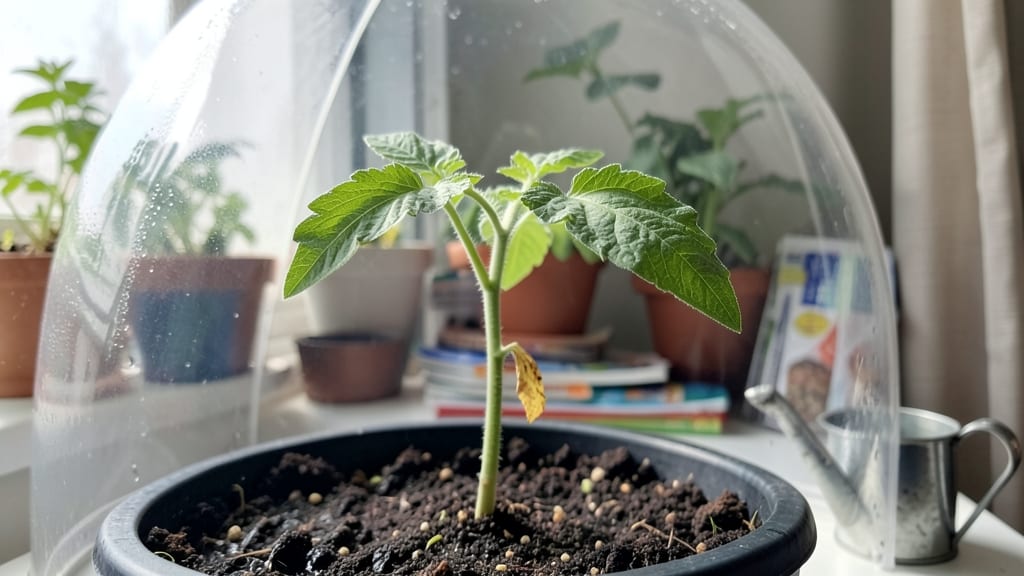
The seed germination timeline varies by plant type, typically ranging from 3 to 14 days for fast germinators like radishes and up to 30 days or longer for slower varieties such as peppers or some tree seeds. Ideal conditions—consistent moisture, warmth (65–85°F), and proper soil aeration—accelerate the process, while cold or dry environments delay sprouting.
Understanding your seed germination timeline helps you plan better and troubleshoot when sprouts don't appear on schedule. 🌱 For example, beans usually break ground in 5–10 days, while lettuce can take 7–21 days depending on the variety.
The key difference between fast and slow germinators lies in their internal biology—some seeds need extra steps like scarification (scratching the seed coat) or cold stratification (a period of chilling) to trigger growth hormones. I always pre-soak slower seeds like peppers overnight to jumpstart their germination process.
Even with perfect conditions, some seeds have built-in delays for survival reasons. Tree seeds often require months to break dormancy because they need to wait for ideal forest-floor conditions. Meanwhile, annuals like marigolds or sunflowers sprout within 3–7 days when given the right warmth and moisture.
The good news? Tracking your germination progress lets you adjust care—like adding more light or humidity—before giving up on a seed.
💡 In This Article
- How Temperature and Moisture Affect Germination Speed
- Step-by-Step Germination Tracking for Common Garden Seeds
How temperature and moisture affect germination speed
Here's what's actually happening inside a seed when you adjust temperature and moisture: Enzymes called amylases and proteases become active at 65–85°F, breaking down stored starches and proteins into sugars and amino acids that fuel the embryonic plant.
Cold temperatures below 50°F slow these enzymes down, while heat above 90°F can denature them, halting germination. The seed coat also needs moisture to soften—water triggers a 10–30% weight gain in just hours, causing the seed to swell and crack open. 🔥
Fast germinators like radishes and lettuce have thin seed coats and high enzyme activity, sprouting in 3–7 days at optimal conditions. Their seeds contain pre-formed sugars that require minimal breakdown.
In contrast, slow germinators like peppers or oak trees have thick, waxy coats that resist water penetration and require additional steps—like scarification (scratching) or stratification (cold treatment)—to trigger internal chemical changes. For example, apple seeds need 60–90 days of cold stratification to break dormancy, mimicking winter conditions in nature.
The key factor is the seed's abscisic acid levels, which must drop before growth hormones like gibberellins can activate.
Moisture works in tandem with temperature by creating the perfect environment for cellular respiration. Seeds need 40–60% soil moisture (not soggy!) to activate metabolic processes, but too much water can suffocate the seed by blocking oxygen.
This is why seed-starting mixes use perlite or vermiculite—they maintain aeration while holding moisture. What most people don't realize is that some seeds, like those from desert plants, actually require dry periods between moisture cycles to trigger germination, a process called hydropriming.
This explains why mimosa pudica (the "sensitive plant") seeds need alternating wet/dry cycles to sprout reliably.
Temperature also influences the rate of enzyme activity, not just whether germination happens. At 77°F, enzymes work at peak efficiency, while at 59°F, they operate at only 50% capacity.
This is why seed packets often specify ideal temperatures—tomatoes germinate 2x faster at 80°F than at 65°F. For tropical seeds, heat is critical; basil seeds may take 14–21 days at 70°F but only 7–10 days at 85°F.
The opposite is true for alpine plants like edelweiss, which require 40–50°F to break dormancy and may take 30–60 days even under perfect moisture conditions.
Scarification and stratification work by mimicking natural conditions that break seed dormancy. Mechanical scarification (nick the seed coat) or chemical treatment (soaking in sulfuric acid) creates microscopic openings for water entry. Stratification, like chilling pepper seeds for 2–4 weeks, allows abscisic acid to degrade while gibberellins build up.
This hormonal shift is what finally signals the embryo: "Now is the time to grow!" Without these steps, many seeds would remain dormant indefinitely, waiting for conditions that may never arrive in a controlled environment. 💫
Even with perfect conditions, some seeds have built-in delays for survival reasons. Tree seeds often require months to break dormancy because they need to wait for ideal forest-floor conditions. Meanwhile, annuals like marigolds or sunflowers sprout within 3–7 days when given the right warmth and moisture.
Understanding these mechanisms lets you troubleshoot effectively—if your seeds aren't sprouting, check both temperature (is it too cold?) and moisture (is the soil dry or waterlogged?). The good news? Most gardeners can accelerate germination by 30–50% with proper pre-treatment and consistent care.