Pruning
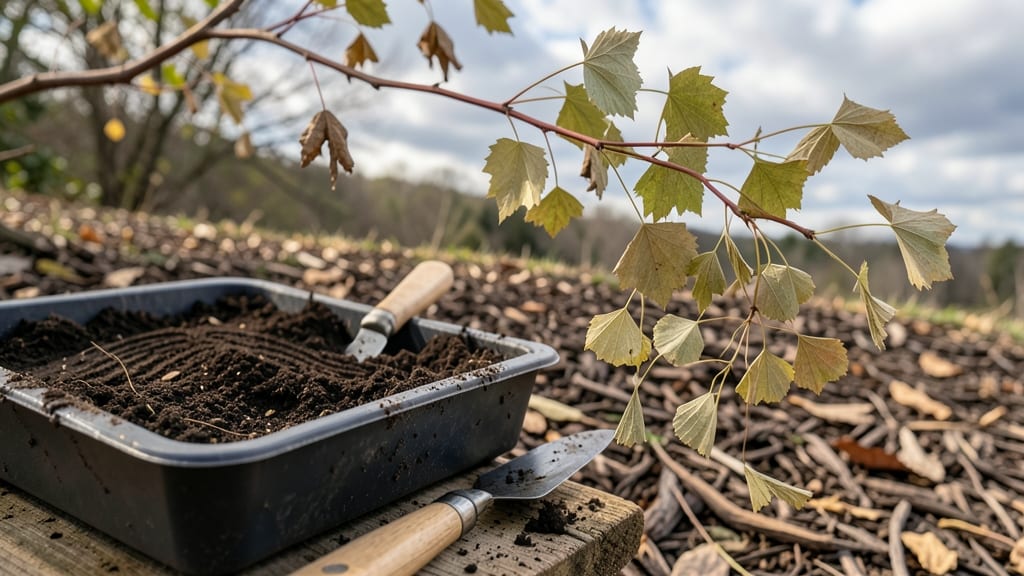
Identifying tree seeds in the wild is like solving a puzzle—each shape, size, and texture tells a story about the tree it came from, and I’ve spent years collecting them, from oak acorns to maple samaras. the key to success starts with knowing what you’re looking at before you even think about planting.
The trick is focusing on three simple clues: wing shape (like maple helicopter seeds), shell texture (smooth or spiky?), and size (a dime-sized seed won’t grow into a redwood). Most gardeners overlook the tiny details that separate viable seeds from dried-up husks—like checking for cracks or mold before storing them.
Once you master the basics, you’ll spot the best seeds in your backyard or local park without a second guess.
A properly identified acorn or pinecone can grow into a 100-foot oak or a fragrant pine in just a few years—if you plant it at the right time and in the right spot.
This works for native forests, urban landscapes, or even container-grown trees. Let’s break down the visual clues that turn seed hunting into a rewarding skill—no guesswork required.
Hidden Traits Behind Seed Confusion
Understanding why tree seeds can be so tricky to identify starts with recognizing the natural and environmental factors at play. Here’s a breakdown of the key reasons seeds throw us for a loop—and how to spot them like a pro.
---
Some tree seeds are master illusionists, evolving to look deliberately like other species to survive. This phenomenon, called mimicry, can make identification a guessing game unless you know what to watch for.
- Seed Shape & Size Tricks: Seeds like those of the hickory (Carya spp.) or walnut (Juglans spp.) often resemble each other, with similar elongated, hard-shelled forms.
The key difference? Hickory seeds have a pointed tip, while walnut seeds are more rounded. - Winged Seeds That Deceive: Maple (Acer) and ash (Fraxinus) seeds both have wings, but maple seeds are flat and papery, while ash seeds are thin, elongated, and slightly curved—like tiny helicopter blades. - Why It Matters: These similarities force you to dig deeper—examine texture, attachment points, or the parent tree’s bark for clues.
---
Seeds don’t grow in a lab—they’re shaped by their surroundings. Harsh conditions can warp their usual traits, making them harder to recognize.
- Drought or Poor Soil: Seeds from stressed trees may be smaller, lighter, or deformed.
For example, pine seeds (Pinus spp.) from drought-stricken trees might lack their usual papery wing or appear shrunken. - Animal Dispersal Damage: If seeds are eaten or chewed by squirrels, birds, or insects, they may lose defining features.
A squirrel-munched acorn (Quercus spp.) might look like a beech nut (Fagus spp.) if you’re not careful. - Pro Tip: 🔍 Check for "scars"—some seeds (like elm seeds, Ulmus spp.) have distinct ridges or fibrous attachments that only show up after close inspection.
---
Not all seeds of the same species look identical—genetics play a huge role. Even within a single tree type, seeds can vary wildly.
- Color Clues: Red oak (Quercus rubra) acorns are longer with a flat cap, while white oak (Quercus alba) acorns are rounder with a raised cap.
But some hybrids or regional strains blur these lines. - Twins, Cousins, and Lookalikes: - Box elder (Acer negundo) seeds resemble maple seeds but grow in paired samaras (winged fruit). - Buckeye (Aesculus spp.) seeds look like small, glossy chestnuts but have prominent, spiky husks—a dead giveaway if you’re up close. - Actionable Tip: 📏 Measure and compare—use a ruler to note length, width, and cap shape.
Small differences can reveal the species.
---
Seeds don’t pop out fully formed—they mature in phases, and each stage has its own "disguise."
- Immature vs. Mature Seeds: - Green, unripe seeds (like young hazelnuts, Corylus spp.) may look soft and underdeveloped, while mature seeds are hard and brown. - Dry vs. Fresh: Some seeds (e.g., linden/Tilia spp.) are gelatinous when fresh but harden as they dry. - Dormancy Tricks: Some seeds (like birch, Betula spp.) sprout wings only after falling, making them look different on the tree vs. the ground. - How to Spot It: 🕰️ Time your search—collect seeds at peak maturity (usually late summer to early fall for most temperate species).
--- Even the best botanists get tripped up—because we’re not always looking at the right details.
- Focusing on the Wrong Features: Many guides emphasize leaf shape, but seeds often need shell texture, scent, or even the smell when crushed (e.g., black walnut, Juglans nigra, has a distinctive rancid odor). - Ignoring the Parent Tree: If you’re identifying seeds out of context, you might miss clues. Bark texture, leaf arrangement, or flower type can confirm a seed’s origin. - Cleanliness Matters: Dirt, sap, or mold can obscure seed features.
A quick rinse and gentle drying (not heat!) can reveal hidden traits.
--- Seeds may seem simple, but their evolutionary quirks, environmental battles, and genetic diversity make them fascinating puzzles. The more you observe, measure, and cross-reference, the easier it gets—until you start spotting species at a glance.
Next up: How to build your own seed ID kit with just a few tools! 🔧
Quick Fixes for Seed ID Struggles
---
Staring at a mysterious seed and wondering, "What tree dropped this?" can feel like solving a puzzle without all the pieces. But with the right approach, you can turn confusion into clarity—fast.
Below are practical, step-by-step solutions tailored to common challenges, whether you’re dealing with tiny, winged, or spiky seeds or just need a foolproof way to narrow down your options. Plus, we’ll share pro tips to prevent future guesswork and keep your seed-collecting skills sharp.
---
Cause: Many tree seeds share vague similarities—think oval shapes, brown hues, or fuzzy textures. Without distinct features, it’s easy to mix up species like oak, hickory, or walnut.
Fix:
- ✅ Zoom in on details: Use a magnifying glass or smartphone app (like LeafSnap or PictureThis) to inspect:
- Seed coat texture: Is it smooth, ridged, or covered in tiny hairs?
- Attachment scars: Look for leftover stem fragments or a "belly button" where the seed was attached to the fruit.
- Internal structure: Split open a seed (gently!) to check for cotyledons (seed leaves)—oaks have one, while walnuts have two.
- 📏 Measure it: Grab a ruler or compare to a coin. Seed size can be a dead giveaway:
Seed Type Size Range Example Trees Acorn ½" to 1½" White oak, red oak, chestnut oak Hickory Nut 1" to 2" Shagbark hickory, mockernut hickory Walnut 1½" to 2½" Black walnut, butternut - 🌳 Cross-reference with location: Narrow down possibilities by where you found the seed. For example:
- East Coast? Check for sweetgum (spiky balls) or tulip poplar (winged seeds).
- West Coast? Look for Douglas fir (small, brown cones) or California sycamore (round, fuzzy seeds).
💡 Pro Tip: Snap a photo of the seed in situ (still attached to the tree or fruit) for context. Apps like iNaturalist can analyze the background flora to hint at the seed’s origin.
---
Cause: Seeds like maple samaras or ash keys are designed to float, making them tricky to handle—and even trickier to ID when they’re scattered everywhere.
Fix:
- 📸 Capture the flight: Film a short video of the seed spinning in the wind. The wing shape and rotation style are unique to species:
- Maple samaras: Two wings form a "helicopter" blade.
- Ash keys: Single, elongated wing with a seed at the base.
- Elm seeds: Flat, papery wings with a tiny seed in the center.
- 🧲 Use static electricity: Rub the seed on a balloon or your hair to make it "stick" to a dark surface (like paper). This reveals hidden details like veins or color gradients.
- 🌳 Trace back to the tree: Winged seeds rarely travel far. Walk upstream (literally or figuratively) to find the parent tree. Look for:
- Maple: Opposite branches, lobed leaves.
- Ash: Compound leaves with 5–11 leaflets.
💡 Pro Tip: If you’re near water, winged seeds often collect in drainage ditches or along streams. Scoop them up with a net for easier study.
---
Cause: Seeds like sweetgum balls or pine cones are protected by tough exteriors, making them hard to examine without damaging them.
Fix:
- 🔪 Safe dissection: For sweetgum or horse chestnut seeds:
- Soak the spiky ball in warm water for 10–15 minutes to soften the casing.
- Use pliers or needle-nose tongs to gently pry apart the spikes.
- Count the seeds inside: Sweetgum typically has 1–2 large seeds; horse chestnut has 1–3 glossy nuts.
- 🌲 Identify by the "fruit": Some seeds are only recognizable when still attached to their parent structure:
- Pine cones: Look at the cone’s scale arrangement (tight vs. loose) and seed wing shape.
- Buckeye seeds: Found in leathery, spiny husks—split open to reveal shiny, poisonous-looking seeds.
- 📚 Consult a field guide: For obscure seeds, use a regional tree seed ID book or database like USDA PLANTS to match your find.
⚠️ Warning: Some seeds (like black walnut or horse chestnut) are toxic. Wear gloves when handling!
---
Avoid future frustration with these simple habits:
- 📅 Track seasonal drops: Note when seeds appear in your area (e.g., oaks in fall, maples in spring).
- 📦 Collect "mystery seeds" in labeled jars: Store seeds by location and date for later comparison.
- 📱 Use apps for instant IDs: Download Seek by iNaturalist or PlantNet to scan seeds on the spot.
- 🌳 Learn 3 "anchor trees" in your area: Master the seeds of 2–3 common species (e.g., oak, pine, maple) to build confidence.
With these tools, you’ll go from "Hmm, what’s this?" to "Ah, it’s a black cherry seed—time to plant!" in no time. Happy identifying!
Frequently asked questions about tree seed identification
How do I tell the difference between an acorn and a hickory nut?
Look at the tip shape—acorns have a flat, rounded cap while hickory nuts have a pointed tip. Also check the size: acorns are usually ½" to 1½" while hickory nuts are 1" to 2". The shell texture differs too—acorns are smoother, while hickory nuts often have ridged patterns.
Can I identify tree seeds without seeing the parent tree?
Yes! Focus on three key traits: shape (winged, round, spiky), size (compare to coins), and texture (smooth, hairy, or ridged). Use a magnifying glass or seed ID app like PictureThis to analyze details like attachment scars or internal seed structure.
Why do some maple seeds look different from others?
Maple seeds vary by species and maturity. Silver maple seeds have broader wings while sugar maple wings are narrower. Immature seeds may appear green or soft, while mature ones are brown and papery. Environmental stress can also cause size or wing shape variations.
What's the best way to store seeds after identification?
Keep seeds in a cool, dry place (like a paper envelope in the fridge) for short-term storage. For long-term, use airtight containers with silica gel packets to prevent mold. Label each container with the species name and collection date. Most tree seeds stay viable for 1-5 years under these conditions.
Are there any dangerous seeds I should avoid handling?
Yes! Black walnut seeds release toxic juglone when crushed, and horse chestnut seeds contain escin, which can cause skin irritation. Always wear gloves when handling these, and never eat them. Some seeds (like yew) are deadly—when in doubt, research before touching!