Vegetables
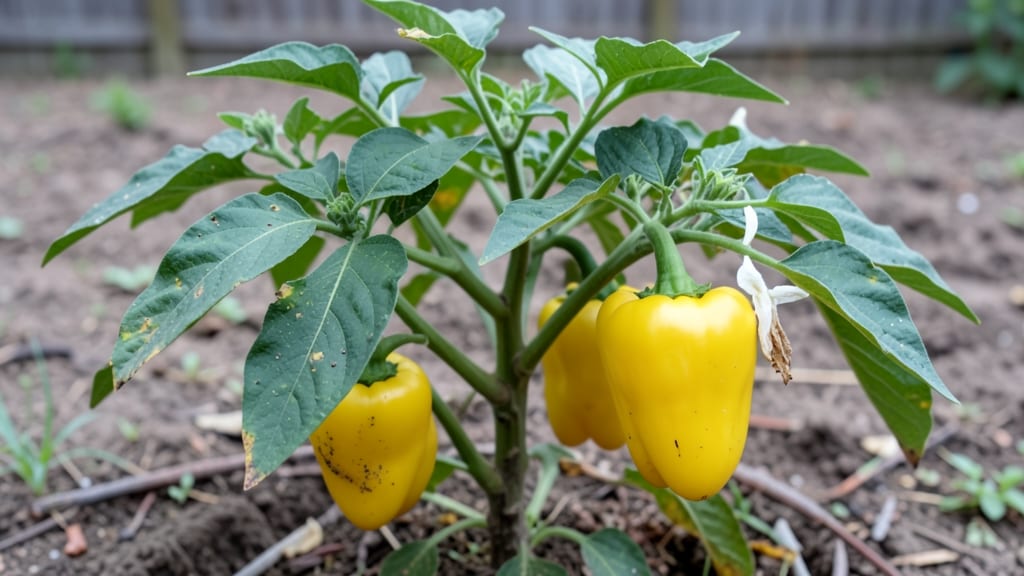
Growing yellow pepper seeds fast means beating the heat and outsmarting stubborn germination—my first batch took 21 days to crack, but these tricks cut that in half. 🌱 The secret isn’t just patience; it’s prepping seeds right and giving them the perfect cozy start.
Most gardeners overlook the simple steps that make all the difference between waiting weeks or seeing sprouts in days.
Start with fresh seeds from a trusted supplier—old or stored seeds lose their vigor fast. Soak them overnight in warm water to jumpstart hydration, then plant them just ¼ inch deep in warm soil (70°F+). A heat mat under your seed tray works miracles if your home runs cool.
Yellow varieties like banana or wax peppers respond especially well to this method, popping up reliably within 5-7 days when done right.
Once those first green shoots appear, keep the soil damp but never soggy—pepper seeds rot faster than they sprout if overwatered. Move them to bright light immediately (a sunny windowsill or grow lights), and you’ll see true leaves in under two weeks.
The payoff? Stocky, disease-resistant plants that start producing fruit weeks earlier than store-bought seedlings.
This works for any yellow pepper variety, whether you’re growing in pots or straight into warm soil. The same tricks apply whether you’re in Zone 7 or 10—just adjust your timing to avoid frost. Ready to skip the waiting game and get growing?
Root Causes Of Slow Germination
Understanding why your pepper seeds take longer to sprout is the first step to fixing it. Yellow pepper seeds—like all seeds—can stall for a variety of reasons, often tied to environmental factors, seed quality, or handling mistakes.
Below, we break down the most common culprits and why they delay germination, so you can troubleshoot like a pro.
Seeds need steady, gentle moisture to activate enzymes that break down stored nutrients and kickstart growth. Too much or too little water throws off this process:
- Overwatering 💦: Soggy soil cuts off oxygen, suffocating seeds and promoting rot before sprouts even appear. Compacted or waterlogged soil traps excess moisture, creating an anaerobic (oxygen-free) zone where seeds suffocate. - Underwatering 🌵: Dry soil creates a barrier between the seed and moisture, halting metabolic activity.
If the soil dries out completely, the seed’s outer coat may harden, making it harder for the radicle (root) to penetrate. - Uneven watering 🔄: Random moisture fluctuations stress seeds, causing them to pause germination until conditions stabilize.
For example, watering only when the topsoil is bone-dry forces seeds to "wait" for the next drink.
Actionable Fix: Aim for consistently damp (not soggy) soil—like a wrung-out sponge. Use a spray bottle for fine misting or a moisture meter to track levels. Mulch with coconut coir or vermiculite to retain humidity without over-saturating.
Yellow pepper seeds thrive in warm, stable conditions (ideally 75–85°F / 24–29°C). Cold or erratic temps slow down enzymatic activity, delaying sprouts:
- Too Cold ❄️: Below 60°F (15°C), metabolic processes stall. Seeds may absorb moisture but fail to germinate until warmth returns.
Prolonged cold can even trigger dormancy, where seeds "wait" for better conditions. - Too Hot 🔥: Above 90°F (32°C), seeds can overheat, damaging enzymes or causing them to dry out prematurely.
Heat also speeds up microbial activity, increasing the risk of rot. - Daily Swings 📉: Seeds are sensitive to nighttime drops (e.g., 80°F days but 50°F nights). This inconsistency confuses the seed’s internal clock, delaying germination.
Actionable Fix: Use a seedling heat mat (70–80°F range) or place trays on top of a fridge (not inside—seeds need warmth, not cold!). For outdoor sowing, wait until soil temps are consistently warm (use a soil thermometer). Clear plastic domes or greenhouse tents can help retain heat.
Even high-quality yellow pepper seeds degrade over time. Old or damaged seeds struggle to germinate:
- Expired Seeds ⏳: Seeds lose viability over 1–3 years, depending on storage. Older seeds have weaker embryos, making them slower to sprout or prone to failure.
For example, a 5-year-old seed may take 2–3x longer to germinate than a fresh one. - Improper Storage 🏺: Exposure to light, humidity, or temperature swings accelerates aging.
Seeds stored in damp or airtight containers (like ziplock bags) may develop mold or lose vigor. - Physical Damage 💥: Scratches, cracks, or bruises from rough handling weaken the seed coat, reducing water absorption. Some seeds may even pre-germinate (sprout before planting), leading to mold if not sown immediately.
Actionable Fix: Buy fresh seeds (check the packet date—aim for <1 year old for best results). Store seeds in a cool (50–60°F), dark, dry place (like a sealed glass jar with silica packets). Test viability by doing a float test: Drop seeds in water—sinkers are viable; floaters are duds.
Soil that’s too dense, nutrient-poor, or lacking structure can strangle seeds before they sprout:
- Clay or Hardpan Soil 🏗️: Compacted soil restricts root penetration and oxygen flow.
Seeds may absorb water but can’t break through the surface, leading to rot or stunted growth. - Lack of Organic Matter 🍂: Soil without compost, peat, or vermiculite lacks aeration and water retention, causing moisture to drain too quickly or pool unevenly. - pH Imbalances 🧪: Yellow peppers prefer slightly acidic to neutral soil (pH 6.0–7.0).
Extremes (too acidic or alkaline) lock out essential nutrients, slowing germination. For example, pH >7.5 can cause zinc or iron deficiencies, weakening seedling development.
Actionable Fix: Use a light, airy seed-starting mix (50% peat/coir + 50% perlite/vermiculite). Avoid garden soil—it’s often too heavy. For compacted soil, mix in sand or coconut coir to improve drainage. Test pH with a kit and amend with lime (to raise pH) or sulfur (to lower pH) as needed.
Some pepper seeds have thick or impermeable seed coats that resist water absorption:
- Hard Seed Coats 🛡️: Common in heirloom or organic seeds, these coats act as a barrier, delaying hydration. Without proper softening, the radicle can’t emerge. - Dormancy Triggers 🌱: Some seeds require light exposure, scarification (scratching), or stratification (cold treatment) to break dormancy.
If skipped, germination stalls until conditions "trigger" the seed.
Actionable Fix:
- Scarify seeds by lightly sanding the coat with fine-grit sandpaper or nicking them with a knife (be careful not to damage the embryo).
- Soak seeds in lukewarm water for 12–24 hours before planting to soften the coat.
- For light-dependent seeds, sprinkle them on the soil surface (don’t bury) and mist lightly.
Quick fixes for slow-germinating seeds
Frustrated by sluggish yellow pepper seeds that refuse to sprout? 🌱 Don’t toss them just yet—most germination delays are fixable with a few targeted tweaks. Below, we break down the most common causes of slow starts and provide practical, step-by-step solutions to get those seeds popping faster.
Plus, we’ll share prevention tips to set your next batch up for success!
If your seeds are sitting in cool soil, they may be waiting for the right temperature to kickstart growth. Yellow pepper seeds thrive in warmth—ideal germination temps range between 75–90°F (24–32°C). If your growing space is chilly, try these fixes:
- 🔥 Use a heat mat: Place a seedling heat mat (available at garden centers) under your seed trays. These mats maintain consistent warmth and can cut germination time in half. Pro tip: Set it to the lowest heat setting first and monitor soil moisture—overheating can dry out seeds!
- 🍳 DIY warm spot: No heat mat? No problem! Place your seed trays on top of your fridge, near a sunny windowsill, or even on a heated bathroom tile (after a hot shower). Just ensure the soil stays moist but not soggy.
- ⏰ Speed up with a warm-water soak: Before planting, soak seeds in warm (not hot!) water for 4–6 hours. This jumpstarts metabolic activity. ⚠️ Warning: Avoid boiling water—it can kill the seed.
💡 Prevention tip: Always check your soil temperature with a thermometer before planting. If it’s below 70°F (21°C), hold off until conditions improve.
Yellow pepper seeds need consistent moisture to germinate, but too much water can drown them, while too little leaves them dehydrated. Here’s how to strike the perfect balance:
- 👨🍳 Use a spray bottle: Instead of pouring water over seeds, mist them gently to keep the soil evenly damp. Think of it like a light rain—just enough to keep the top inch of soil moist.
- 🥘 Cover with plastic wrap: After planting, loosely cover the tray with plastic wrap or a humidity dome. This traps moisture and creates a mini greenhouse effect. Remove the cover once sprouts appear (usually in 7–14 days).
- 🔪 Avoid bottom-watering: If you’re using a seed tray with a reservoir, ensure excess water drains away. Stagnant water can cause rot. Pro tip: Use a well-draining seed-starting mix to prevent soggy soil.
🌡️ Prevention tip: Check soil moisture daily by pressing your finger into the mix. If the top layer feels dry, it’s time to water. If it’s sticky, hold off until it dries slightly.
Seeds lose viability over time, especially if stored improperly. If your yellow pepper seeds are over 2–3 years old, they may struggle to germinate. Here’s how to test and revive them:
- 📊 Conduct a viability test: Fill a glass with water and drop 10 seeds inside. After 24 hours, count how many sink (viable) vs. float (non-viable). Aim for at least 80% sinking for good germination rates.
- ✨ Try a cold stratification hack: For older seeds, place them in a damp paper towel inside a sealed plastic bag and refrigerate for 3–5 days. This mimics natural winter conditions and can trick seeds into thinking it’s time to grow.
- 🌱 Buy fresh seeds: If germination rates are dismal (<50%), invest in a new packet of seeds. Fresh seeds (from the current or previous year) germinate 2–3x faster.
💡 Prevention tip: Store seeds in a cool, dry place (like a sealed jar in the fridge) to extend their shelf life. Label them with the purchase date!
Compacted or nutrient-poor soil can suffocate seeds, preventing them from breaking through. Yellow pepper seeds need loose, well-aerated soil to sprout. Fix it with these steps:
- 🔪 Loosen the soil: If using a seed tray, gently fluff the soil mix with a fork or your fingers before planting. Avoid pressing down too hard.
- 🌱 Use the right mix: Avoid garden soil—it’s often too dense. Opt for a sterile seed-starting mix blended with perlite or vermiculite (20% perlite) for better drainage.
- 🥗 Plant at the right depth: Yellow pepper seeds should be sown ¼ inch deep. Planting too deep forces them to work harder to reach the surface, slowing germination.
🌡️ Prevention tip: Always pre-moisten your seed-starting mix before planting. Dry soil repels water and can create air pockets, making it harder for seeds to absorb moisture.
Even before sprouts appear, pests like fungus gnats or mold can attack seeds, stalling germination. Keep your seed trays clean with these steps:
- 🔪 Sterilize tools and trays: Wash containers and tools with a 10% bleach solution (1 part bleach to 9 parts water) before reuse to kill fungal spores.
- 🌱 Use a fungicide spray: Lightly mist seeds with a neem oil solution (1 tsp neem oil + 1 quart water) after planting to deter mold.
- 🐛 Prevent gnat infestations: Avoid overwatering, and if you spot tiny black flies, place yellow sticky traps near the trays to catch adults.
💡 Prevention tip: Work in a clean, well-ventilated space to minimize contamination. If using shared gardening tools, disinfect them between uses.
With these fixes, your yellow pepper seeds should show signs of life within 7–14 days. Patience is key—some varieties take longer, but consistent warmth, moisture, and care will pay off with robust seedlings ready for transplanting! 🌿🔥
Frequently asked questions
How deep should I plant yellow pepper seeds?
Plant yellow pepper seeds just ¼ inch deep in warm, moist soil. Burying them too deeply forces seedlings to work harder to reach the surface, delaying germination. For best results, use a well-draining seed-starting mix and keep the soil consistently damp until sprouts appear.
Can I use last year’s yellow pepper seeds?
Fresh seeds germinate best, but you can try using seeds from 1–2 years ago. Test viability first: drop 10 seeds in water—sinkers are viable, while floaters won’t sprout. Older seeds may take 2–3x longer to germinate or yield weaker seedlings. For reliable results, buy new seeds each season.
Why are my yellow pepper seeds rotting instead of sprouting?
Overwatering or poor drainage causes rot. Keep soil consistently damp (not soggy)—like a wrung-out sponge—and use a seed-starting mix with perlite or vermiculite for airflow. Avoid bottom-watering trays, and ensure containers have drainage holes. If mold appears, sprinkle with cinnamon or neem oil to prevent fungal growth.
Do yellow pepper seeds need light to germinate?
No, seeds germinate best in darkness. Once they sprout, move them to bright light (12–16 hours/day) to prevent leggy seedlings. Use a sunny windowsill or grow lights 2–3 inches above the tray. Yellow varieties like banana peppers respond well to light once true leaves appear.
How long should I wait before giving up on slow germinators?
Wait 3–4 weeks for yellow pepper seeds to sprout under ideal conditions (warmth, moisture, and darkness). If no progress after this time, the seeds may be non-viable. Test a few seeds in a damp paper towel—if they don’t crack within 7–10 days, replace them with fresh stock.