Landscaping
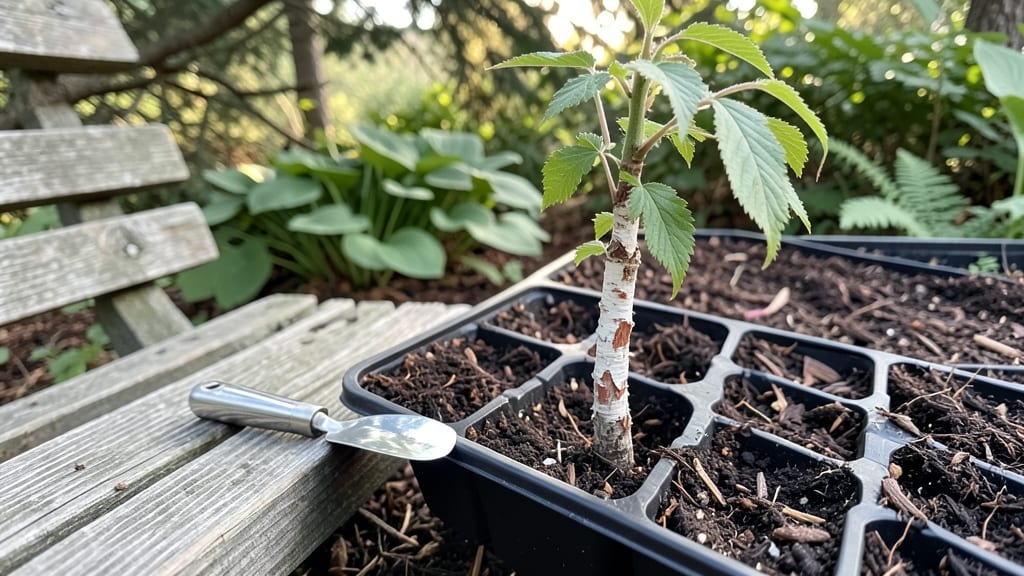
Growing river birch seedlings from scratch gives you a tree with peeling bark that looks like driftwood and keeps its color all year. 🌿 I planted mine in early spring, and within two years, the trunk had that signature exfoliating bark that makes neighbors stop and stare.
The secret isn't just the seed—it's the right soil, water, and patience to let those roots establish before winter hits.
You'll need well-draining soil mixed with compost, a spot with full sun to partial shade, and consistent moisture during the first growing season. River birch seedlings hate soggy roots, so raised beds or mounds work better than low spots where water pools.
If you're transplanting a seedling, dig a hole twice as wide as the root ball but only as deep—burying too deep strangles the tree.
By summer's end, you'll see new growth that's shockingly lush for a young tree, and those first peeling bark patterns will start forming. The key is keeping the soil moist but not waterlogged, especially during dry spells.
Mulch helps retain moisture and protects roots from temperature swings, which is crucial in hot summers or cold winters.
These trees handle everything from urban pollution to wet soils better than most, but they do need space—river birches can reach 40-70 feet tall. Plant them where they won't get crowded, and you'll have a shade tree that's as tough as it is beautiful.
Here's how to get started without killing yours in the process.
📚 In This Guide
- What you need
- Instructions
- Tips and common mistakes
- Wrapping up and next steps
What you need
- ● River birch seedlings: 1–5 (depending on desired spacing; 3–5 feet apart at maturity). Choose healthy, 1–2-foot-tall saplings with strong stems.
- ● Well-draining potting mix: 5–10 gallons (for indoor starter pots). Opt for a blend of peat moss, perlite, and compost (ratio: 2:1:1).
- ● Garden soil: 2–3 cubic yards (for outdoor planting). Amend with compost or aged manure (1 part compost per 3 parts soil).
- ○ Containers (optional for indoor starts): 1–3 gallon pots with drainage holes (1 per seedling).
- ● Garden trowel or spade: For digging planting holes (6–8 inches deep, 2–3 times the root ball width).
- ● Watering can or hose with a gentle spray nozzle: To keep soil moist without displacing seedlings.
- ○ Mulch (optional but recommended): 2–3 inches of pine straw, wood chips, or shredded bark to retain moisture and suppress weeds.
- ● Pruners (sterilized): For trimming dead or damaged branches (if needed).
- ○ pH testing kit (optional): To ensure soil pH is 4.5–7.0 (river birches tolerate acidic to neutral soil).
- ● Sunlight access: A location with full sun to partial shade (6+ hours of sunlight daily for optimal growth).
- ● Water source: Ready access to water for consistent moisture (especially in the first year).
- ● Patience: River birches grow 1–2 feet per year—plan for long-term beauty! 🌳
How to grow river birch seedlings into hardy ornamental trees
Here’s my no-fuss approach to nurturing river birch seedlings into striking, low-maintenance trees that thrive year-round.
🌱 Step 1: Choose the Right Location for Planting
River birch seedlings need full sun to partial shade—at least 6 hours of direct sunlight daily—to develop their signature peeling bark and lush foliage. I always pick a spot with well-draining soil because soggy roots lead to rot. If your soil is heavy clay, mix in 2 inches of compost from your ingredients list to improve drainage before planting.
Dig a hole twice as wide as the root ball but only as deep as the container the seedling came in. This prevents burying the trunk too deeply, which can suffocate the tree. Tap the seedling gently out of its pot and loosen any circling roots with your fingers—this encourages outward growth instead of girdling the stem.
💧 Step 2: Water Deeply and Mulch for Moisture Retention
After planting, water the seedling deeply until the soil is moist 6 inches down. You’ll know it’s right when water pools on the surface before slowly draining away. River birch seedlings are drought-tolerant once established, but they need consistent moisture for the first year to develop strong roots. I water mine twice a week during dry spells, checking that the top 2 inches of soil feel damp before adding more.
Spread 3 inches of mulch around the base, keeping it 6 inches away from the trunk to prevent rot. Use the shredded bark mulch from your supplies—it breaks down slowly, improving soil structure over time. Mulch also insulates roots in winter, protecting young seedlings from temperature swings.
☀️ Step 3: Protect and Prune for Strong Growth
Young river birch seedlings benefit from light pruning in early spring to shape their structure. Remove any dead, crossing, or weak branches using clean pruners, cutting just above a healthy bud or branch collar. This encourages a strong, open canopy. I also trim back any suckers—those aggressive shoots that pop up at the base—to focus the tree’s energy on upward growth.
Watch for bronze or yellow leaves in summer, which signal stress from too much sun or dry soil. If this happens, move the seedling to a spot with morning sun and afternoon shade until it stabilizes. River birch is tough, but seedlings need patience—don’t rush their growth by over-fertilizing or overwatering.
⏰ Step 4: Winterize and Monitor for Long-Term Health
Once temperatures drop below 20°F, wrap the trunk of young seedlings with tree guard or burlap to protect them from sunscald and rodent damage. I also add an extra 2 inches of mulch in late fall to insulate roots. River birch is cold-hardy, but seedlings are more vulnerable to winter burn and frost cracks.
Check the base of the tree in spring for mushrooms or soft spots—signs of root rot. If you spot any, improve drainage immediately by amending the soil with sand or perlite. Healthy river birch seedlings should show new growth by late April, with fresh leaves unfolding in 3-4 weeks. If growth stalls, it’s often a sign of compacted soil or poor drainage.
Tips & tricks for growing river birch seedlings
River birch seedlings are forgiving once you understand their basic needs—here's how to give them the best start.
Soil Preparation: Before planting, I always test my soil's drainage by digging a small hole and filling it with water. If it doesn't drain within 30 minutes, you definitely need to amend with compost as mentioned in Step 1. The goal is to mimic the moist but never soggy conditions river birch loves in nature. For clay-heavy soils, I recommend mixing in 50% compost by volume to the top 12 inches of soil.
Watering Wisdom: The key to that perfect 6 inches deep watering in Step 2 is patience. I use a long trowel to check moisture levels at different depths—if the soil feels dry at 6 inches, keep watering until it pools on the surface. For the first month, I water every other day during hot spells to prevent transplant shock, even if it means exceeding the twice-weekly guideline.
Pruning Precision: When doing your early spring pruning in Step 3, I look for branches that grow at angles sharper than 45 degrees—they're more likely to break under snow or wind. Cut just above a healthy bud that faces outward from the tree. This creates a stronger structure that won't develop weak crotches as the tree matures. I also make sure to sterilize my pruners with rubbing alcohol between cuts to prevent spreading disease.
Winter Protection: The 20°F threshold in Step 4 is crucial—this is when birch bark becomes vulnerable to frost cracks. I wrap young seedlings with tree guard in late fall, but I also add a layer of straw mulch (about 4 inches) over the regular mulch for extra insulation. This creates a protective barrier that helps maintain more stable soil temperatures during temperature swings.
Pro Tips for River Birch Seedling
- River birch seedlings are forgiving once you understand their basic needs—here's how to give them the best start.
- Soil Preparation: Before planting, I always test my soil's drainage by digging a small hole and filling it with water.
- Watering Wisdom: The key to that perfect 6 inches deep watering in Step 2 is patience.
Frequently asked questions
Got questions about growing river birch seedlings? You’re not alone! Here are some of the most common inquiries—plus quick answers to help you get started with confidence.
How long does it take for a river birch seedling to grow into a mature tree?
A river birch seedling typically takes 10–15 years to reach maturity (20–30 feet tall). However, with proper care—like consistent watering and well-draining soil—you’ll see noticeable growth (3–6 feet per year) in its first few years. Patience pays off with stunning exfoliating bark!
When is the best time to plant river birch seedlings?
The ideal window is early spring or fall, when temperatures are mild (50–70°F). Avoid planting in extreme heat or frost, as seedlings are sensitive to stress. Spring planting gives roots time to establish before summer, while fall allows them to settle before winter dormancy. Pro tip: Water deeply 1–2 weeks before planting to reduce shock!
How often should I water a young river birch seedling?
Keep soil consistently moist (not soggy) for the first year, watering 2–3 times per week (daily in extreme heat). After establishment, reduce to once a week unless drought occurs. Mulch around the base (2–3 inches) to retain moisture and protect roots. Watch for: Wilting leaves = time to water!
Can I grow a river birch from seed instead of buying a seedling?
While possible, growing from seed is slow and unpredictable—germination can take 6–12 months, and seedlings may not inherit the parent tree’s traits. For faster, reliable results, opt for 1–2 year-old nursery seedlings, which are already hardened off and disease-resistant. Bonus: They’ll display that prized peeling bark sooner!
Why are my river birch leaves turning yellow or brown?
Yellowing leaves often signal overwatering or poor drainage, while brown edges may mean underwatering or heat stress. Check soil moisture (stick your finger 2 inches deep—dry = water; mushy = drain better). Other culprits:
- Fungal issues (like leaf spot): Prune affected areas and avoid overhead watering.
- Nutrient deficiency: Apply a balanced fertilizer in early spring.
If problems persist, test soil pH (ideal: 5.0–6.5) and adjust with lime or sulfur.
Wrapping up and next steps
Growing river birch seedlings is a rewarding way to add year-round beauty and resilience to your landscape! 🌳 These hardy trees thrive with minimal fuss, offering stunning bark and vibrant foliage—perfect for both beginners and seasoned gardeners.
Whether you’re planting for shade, erosion control, or pure aesthetic appeal, their adaptability makes them a standout choice.
Ready to get started? Take the next step by selecting your seedlings, preparing the soil, and giving them the care they deserve. With patience and a little love, you’ll soon enjoy the rustic charm of a thriving river birch in your outdoor space!