
Propagation
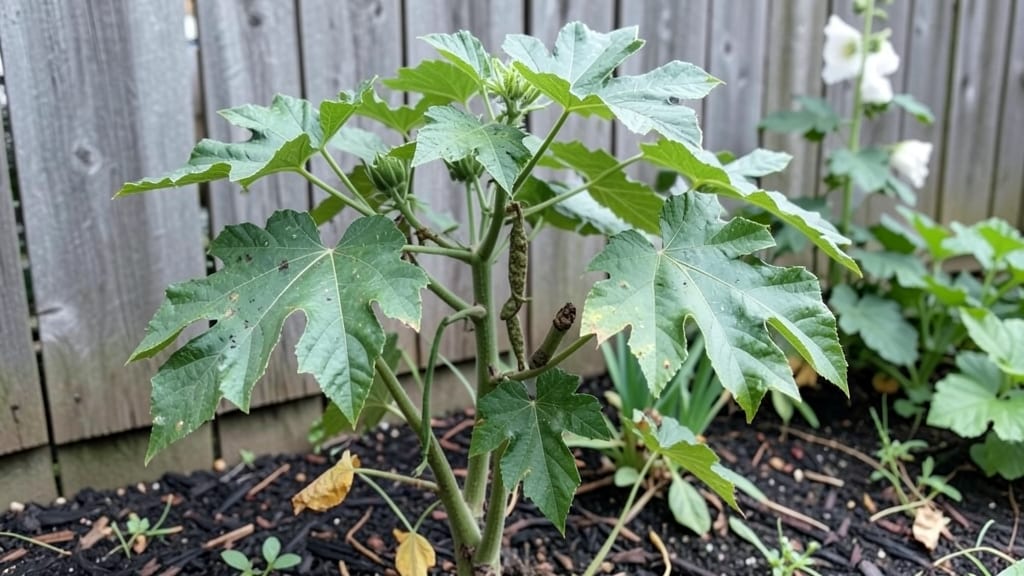
Ricinus seeds are poisonous because they contain ricin toxin, a deadly substance that can trigger fatal reactions when exposed through ingestion, inhalation, or skin contact. Even minimal exposure demands careful handling, particularly around children and pets.
Ricin works by disrupting the body's protein-making machinery, essentially shutting down cells at a molecular level. 🔥 Symptoms of exposure can range from severe stomach pain and vomiting to organ failure and respiratory distress, depending on the dosage.
Unlike some toxins that require large amounts to be dangerous, ricin's potency means even a tiny fraction of a seed can be lethal.
This makes proper handling critical. Gardeners should wear gloves and masks when working with castor plants, and never crush or burn seeds—doing so releases ricin into the air. If accidental exposure occurs, seek immediate medical attention, as there's no antidote, and treatment focuses on supportive care.
💡 In This Article
- Ricin Toxin: How Ricinus Seeds Harm the Body
- Safe Handling and Removal of Ricinus Plants
Ricin toxin: how Ricinus seeds harm the body
Ricin toxin works by hijacking the body's cellular machinery with surgical precision. This protein enters cells through endocytosis and binds to ribosomes—the tiny structures responsible for assembling proteins from amino acids.
By cleaving a specific adenine residue in the 28S ribosomal RNA, ricin permanently disrupts protein synthesis, causing cells to starve at the molecular level. A single ricin molecule can destroy an entire ribosome, making it one of the most potent natural toxins known.
The lethal dose for humans is estimated at just 1-2 milligrams—about the weight of a few grains of salt. For context, a single castor bean contains roughly 5 milligrams of ricin, meaning even accidental ingestion of one seed could be fatal.
The toxin's effects aren't immediate either; symptoms may take 6-12 hours to appear, during which time the damage accumulates silently in organs like the liver, kidneys, and spleen. 🔥
Acute poisoning typically begins with severe gastrointestinal distress—nausea, vomiting, and diarrhea—as the toxin attacks rapidly dividing cells in the digestive tract. Within 24-48 hours, symptoms escalate to organ failure as ricin spreads through the bloodstream.
Chronic exposure, though rarer, can cause long-term damage to bone marrow and immune cells, leaving victims vulnerable to infections. The respiratory system is particularly susceptible when ricin is inhaled, leading to pulmonary edema and suffocation.
What makes ricin uniquely dangerous is its stability. Unlike many toxins that degrade quickly, ricin remains potent for years in dry conditions and can survive cooking temperatures up to 600°F. This stability explains why historical cases of ricin poisoning often involved contaminated food or water sources.
The toxin's ability to persist in the environment also makes ricin a potential bioterrorism agent, classified as a Category B select agent by the CDC.
Interestingly, ricin's mechanism differs from other common poisons like cyanide. While cyanide stops cellular respiration instantly, ricin creates a slow, insidious shutdown by preventing cells from producing essential proteins.
This delayed action is why victims often don't realize they've been exposed until it's too late. The lack of immediate symptoms gives ricin its reputation as a "silent killer."
In medical contexts, ricin poisoning is treated supportively since there's no specific antidote. Treatment focuses on managing symptoms—IV fluids for dehydration, dialysis for kidney failure, and mechanical ventilation for respiratory complications.
The mortality rate remains high, around 50-90%, depending on the dose and route of exposure. This grim statistic underscores why handling castor plants requires absolute caution at every stage.