
Pests and Diseases
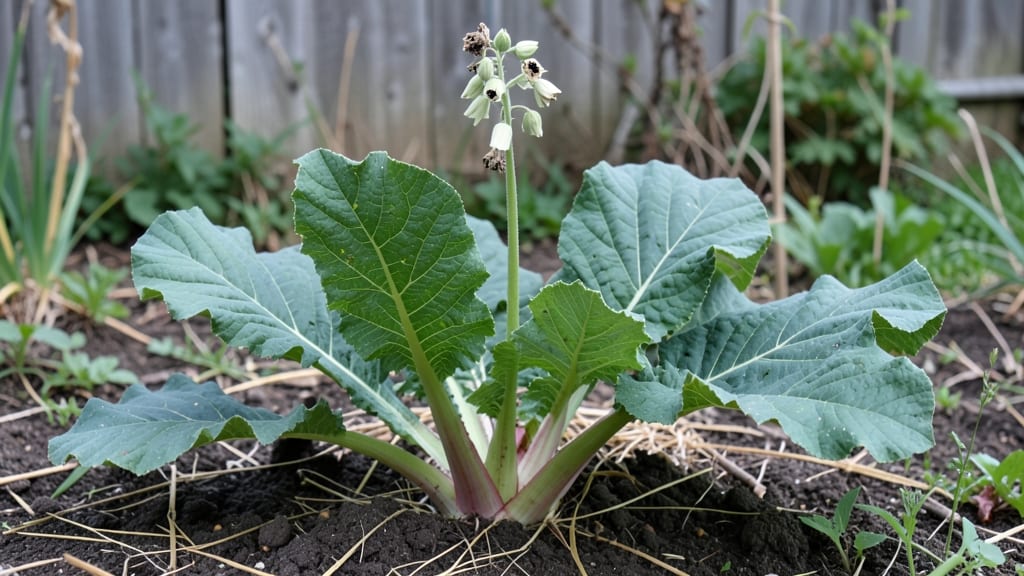
When rhubarb goes to seed, you’re not just losing tender stalks—you’re watching years of garden time vanish in a single season. 🌱 I’ve seen it happen in my own patch: one minute, you’re harvesting crisp, ruby-red stalks; the next, you’re staring at a plant sending up flower stalks like a weed.
The problem starts when rhubarb senses it’s aging or stressed, and suddenly, all that energy shifts from your dinner table to seed production.
The good news? This isn’t some mysterious curse—it’s a plant’s survival instinct you can outsmart. The key is timing, variety, and a little extra care. Forced rhubarb varieties like ‘Victoria’ or ‘Champagne’ bolt less often than their heirloom cousins, and keeping plants well-watered (especially in dry spells) delays the process.
I’ve even seen plants pushed back a full season by simply harvesting stalks early and avoiding over-maturity.
What you’ll get is a rhubarb patch that stays productive for years, not one that turns into a seed factory by June. The stalks stay thick, the color stays vibrant, and you’ll harvest 3-4 weeks longer than neighbors who let their plants go to seed.
Plus, you’ll save money by not having to replant every few years—just a few simple adjustments keep your rhubarb focused on growth, not reproduction.
Works whether you’re growing in full sun backyard beds or containers on a patio. The same principles apply, just scaled to your space. Let’s get those stalks staying sweet instead of going to seed.
When Rhubarb Turns Against You
Understanding why your rhubarb plants go to seed is the first step in reclaiming control over your harvest. This natural process isn’t just a nuisance—it’s a survival strategy for the plant, triggered by specific conditions.
Let’s break down the science behind it and why your garden might be sending rhubarb into seed production mode.
Rhubarb plants (Rheum rhabarbarum) are perennial, meaning they live for multiple growing seasons. However, as they age—typically 3 to 5 years old—they shift focus from producing leafy stalks to prioritizing reproduction.
This is driven by hormonal changes, particularly an increase in ethylene gas and abscisic acid (ABA), which signal the plant to allocate energy toward seed production instead of vegetative growth.
- What to watch for: Older plants (beyond their prime harvest years) may produce fewer, thinner stalks and more flower stalks. - Actionable fix: If your rhubarb is past its prime, consider dividing the crown every 3–4 years to rejuvenate younger, more productive shoots.
This interrupts the aging process and resets the plant’s energy focus.
Plants are masters of adapting to stress, and rhubarb is no exception. When exposed to unfavorable growing conditions, they may trigger seed production as a last-ditch effort to propagate. Key stressors include:
| Stressor | How It Triggers Seeding | Solution |
|---|---|---|
| Heatwaves | High temperatures (>85°F/30°C) disrupt photosynthesis, forcing the plant to prioritize seeds. | Provide afternoon shade or mulch to regulate soil temperature. |
| Drought Conditions | Water scarcity limits stalk growth, prompting the plant to conserve energy for seeds. | Water deeply 1–2 times per week during dry spells. |
| Poor Soil Nutrition | Low nitrogen or phosphorus levels starve the plant, redirecting energy to reproductive growth. | Amend soil with compost or a balanced fertilizer (10-10-10) in early spring. |
Pro tip: 💡 If your rhubarb bolts (sends up a flower stalk) due to stress, snip the seed stalk immediately at the base. This preserves energy for stalk production but won’t stop future bolting unless the underlying stress is addressed.
Rhubarb is a long-day plant, meaning it responds to increasing daylight hours (typically 14+ hours of light) by shifting from vegetative to reproductive growth.
However, temperature also plays a critical role: - Cool springs delay bolting, allowing more time for stalk production. - Warm springs (especially followed by hot summers) accelerate the plant’s decision to go to seed.
Why it matters: If your rhubarb bolts early in the season, it’s likely a response to early warmth combined with long days. This is particularly common in Zone 5–7, where temperature swings are dramatic.
Actionable tip: 🌡️ To delay bolting, use shade cloth (30–50% coverage) during peak summer heat or plant rhubarb in a location with partial afternoon shade.
Not all rhubarb varieties are created equal. Some cultivars are more prone to bolting due to their genetic makeup.
For example: - ‘Victoria’ and ‘German Red’ are classic varieties but may bolt more readily in hot climates. - ‘Champagne’ or ‘Crimson Cherry’ are bred for cold tolerance and may resist bolting longer.
What to do: If you’re in a warm climate, opt for bolting-resistant varieties like ‘Glaskins Perpetual’ or ‘Turkish Red’, which are known for their slower transition to seed production.
While fertilizer helps plants grow, too much of the wrong nutrients can backfire. Rhubarb is heavy in nitrogen for leafy growth, but an excess of potassium or phosphorus can shift its priorities toward flowering.
- The science: High potassium levels promote root and flower development, while nitrogen supports leafy stalks.
If your fertilizer is low in nitrogen (e.g., 5-10-10), your rhubarb may interpret this as a signal to reproduce. - Fix it: Use a high-nitrogen fertilizer (e.g., 12-12-12 or blood meal) in early spring and avoid heavy potassium applications.
When rhubarb plants are overcrowded or physically stressed (e.g., from pests, disease, or mechanical damage), they may bolt as a survival mechanism. Think of it as a last-resort backup plan: "If I can’t grow stalks, I’ll at least make seeds!"
- Signs of stress: Yellowing leaves, stunted growth, or visible damage from slugs or crown rot.
- Solution: Thin out older stalks to improve airflow, remove diseased leaves, and ensure plants are spaced 3 feet apart to reduce competition.
Rhubarb goes to seed because it’s following its biological script—whether due to age, stress, genetics, or environmental cues. The good news? You can outsmart it with targeted care, from soil amendments to strategic pruning.
The next section will show you how to intervene before your next harvest is hijacked by seed stalks. 🚀
Reviving Your Rhubarb’s Potential
When your rhubarb plants start going to seed, it can feel like a setback—but don’t toss those stalks just yet! With the right approach, you can salvage seeds, prevent future issues, and even turn this "problem" into an opportunity for next year’s harvest.
Below are practical, step-by-step solutions tailored to the most common causes of premature seeding, along with prevention tips to keep your rhubarb thriving.
If your rhubarb is bolting (sending up flower stalks) too early, it’s likely because the plant is over-mature or stressed. Here’s how to reset it:
🔥 Step 1: Identify the Culprit
- Age matters: Rhubarb plants typically live 10–15 years, but if yours is older than 5 years, it may be pushing energy toward seeds instead of stalks.
- Stress signals: Check for yellowing leaves, weak stalks, or sparse growth—these are red flags that your plant is struggling.
🍳 Step 2: Prune Aggressively (But Safely)
- Cut back flower stalks immediately—don’t let them mature. Use clean, sharp shears to snip them at the base.
- Trim old leaves: Remove 1/3 of the oldest, yellowing leaves to reduce stress on the plant.
- Fertilize lightly: Apply a balanced, organic fertilizer (like 10-10-10) to replenish nutrients. Avoid high-nitrogen fertilizers—they can encourage leaf growth over stalks.
👨🍳 Step 3: Adjust Watering & Mulch
- Water deeply but infrequently: Rhubarb hates soggy roots but needs 1–2 inches of water per week.
Mulch with straw or wood chips to retain moisture and suppress weeds. - Avoid overwatering: Too much water can weaken the plant, making it more likely to bolt.
💡 Prevention Tip:
- Replace old plants every 5–7 years to maintain vigor. If your rhubarb is past its prime, consider dividing crowns (split the root ball) to rejuvenate it.
If your rhubarb is starving for nutrients, it may bolt prematurely as a survival tactic. Here’s how to feed it right:
🥘 Step 1: Test Your Soil
- pH check: Rhubarb thrives in slightly acidic to neutral soil (pH 6.0–7.0).
Test your soil with a home kit or send a sample to a local extension office. - Nutrient test: Look for low phosphorus or potassium—these are critical for root and stalk development.
✨ Step 2: Amend the Soil
- Add compost: Mix 2–3 inches of well-aged compost into the top 6 inches of soil around the plant.
- Targeted fertilizers:
- Phosphorus boost: Use bone meal (5 tbsp per plant) to encourage root growth.
- Potassium fix: Apply greensand or wood ash (sparingly) to support stalk development.
- Avoid nitrogen overload: Too much nitrogen = lush leaves but no stalks.
Stick to a low-nitrogen, high-phosphorus ratio.
🎯 Prevention Tip:
- Side-dress in early spring: Sprinkle a slow-release fertilizer (like 5-10-10) around the base of the plant and water it in. Repeat mid-season for a steady nutrient supply.
Rhubarb is hardy but hates extreme conditions. If your plant is stressed by heat waves, drought, or poor spacing, it may bolt to reproduce. Here’s how to fix it:
🌞 Step 1: Provide Shade & Coolth
- Partial shade: If temperatures exceed 85°F (29°C), provide afternoon shade with a lightweight row cover or shade cloth (30–50%).
- Mulch heavily: Use 4–6 inches of straw mulch to insulate roots and retain moisture.
💧 Step 2: Water Smartly
- Deep watering: Water early in the morning (not at night) to 12–18 inches deep.
Use a soaker hose to avoid wetting leaves (which encourages disease). - Drought recovery: If your plant is already stressed, water deeply every 2–3 days for 2 weeks to revive it.
📏 Step 3: Check Plant Spacing
- Ideal distance: Rhubarb needs 2–3 feet of space between crowns.
If plants are crowded, they’ll compete for nutrients and bolt. - Solution: Divide overcrowded clumps in early spring by digging up the crown, splitting it into 3–4 sections, and replanting.
✨ Prevention Tip:
- Plant in the right spot: Choose a cool, partially shaded area with well-draining soil. Avoid hot, dry, or windy locations.
If your rhubarb does go to seed, you can still collect seeds for propagation—just follow these steps:
🔥 Step 1: Harvest Mature Seed Heads
- Wait until the flower stalks turn brown and dry.
- Cut the stalks and hang them upside down in a paper bag for 1–2 weeks to fully dry.
🍳 Step 2: Extract the Seeds
- Once dry, crush the seed heads in your hand or with a mortar and pestle.
- Sift through the debris to collect the small, brown seeds.
👨🍳 Step 3: Store or Plant
- For next year’s garden: Plant seeds indoor in winter (8–10 weeks before last frost) or direct-sow in spring.
- For storage: Keep seeds in a cool, dry place (like a sealed jar) for up to 2 years.
💡 Pro Tip:
- Not all rhubarb seeds will grow true—some may produce different colors or textures. If you want identical plants, divide crowns instead.
To keep your rhubarb stalk-focused and seed-free, follow this year-round care plan:
| Season | Task | When to Do It |
|---|---|---|
| Early Spring | Fertilize & divide crowns | After first harvest |
| Late Spring | Mulch & water deeply | Before bolting starts |
| Summer | Prune flower stalks immediately | As soon as they appear |
| Fall | Add compost & adjust pH | After harvest season |
| Winter | Protect from frost (if needed) | In extreme cold climates |
By addressing the root cause (literally!) of your rhubarb’s bolting, you’ll save seeds for next year and boost your harvest. Whether it’s pruning, feeding, or relocating, these fixes will keep your rhubarb productive, happy, and seed-free—until you’re ready to collect them! 🌿✨
Frequently asked questions
Why does my rhubarb suddenly start producing flower stalks?
Rhubarb bolts (produces seed stalks) when it senses stress or aging. Common triggers include heatwaves over 85°F, drought, poor soil nutrition, or the plant being 3-5 years old. It’s essentially shifting energy from stalks to reproduction as a survival strategy.
Can I still harvest rhubarb if flower stalks appear?
Yes, but focus on harvesting young, tender stalks before the plant diverts energy to seeds. Remove flower stalks immediately at the base to preserve stalk production. The stalks that form after bolting often become tougher and less flavorful.
How can I prevent rhubarb from going to seed next year?
Start with bolting-resistant varieties like 'Glaskins Perpetual', provide afternoon shade during heatwaves, and maintain consistent moisture. Divide mature plants every 3-4 years and use a balanced fertilizer (10-10-10) in early spring.
What should I do with the seeds if my rhubarb bolts?
Collect mature seeds by drying flower heads in paper bags, then store them in a cool, dry place for up to 2 years. For next year’s garden, sow seeds indoors 8-10 weeks before last frost or direct-sow in spring. Note that seed-grown plants may not match the parent variety.
Will cutting off flower stalks stop my rhubarb from going to seed?
No, removing flower stalks won’t permanently prevent bolting—it just preserves energy for stalk production that season. To truly delay seeding, address the root cause (stress, age, or poor growing conditions) through proper care and variety selection.