Picking
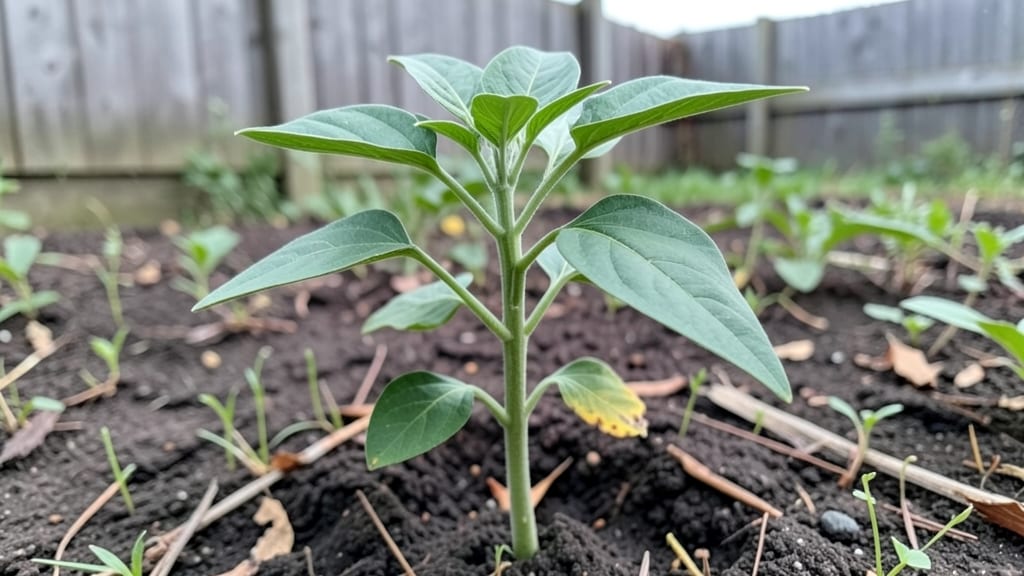
Mastering pepper seedling identification before they mature saves you from growing the wrong varieties in your garden—leaf shape and color hold the key. shape, stem thickness, and even color can reveal whether you’ve got a sweet bell pepper or a spicy jalapeño in the mix.
The first clue is leaf shape: bell pepper seedlings start with broad, rounded leaves, while hot varieties like cayenne or habanero often have narrower, more pointed leaves. Stem color matters too—healthy seedlings have a deep green hue, but yellowing or purple tinges can signal stress or disease.
By the time they’re 4–6 inches tall, you’ll spot the first signs of their mature personality.
Once you recognize these patterns, you’ll confidently separate your sweet paprikas from your ghost peppers. Proper identification means you can space them correctly, give them the right care, and avoid the disappointment of harvesting something you didn’t intend.
The payoff? A garden full of exactly what you planted—and no surprises at harvest time.
This works for any pepper variety, from mild to fiery, and helps even beginners tell healthy seedlings from those struggling with pests. Here’s how to spot the differences before they’re too big to move.
Why it happens
Identifying pepper seedlings correctly can be tricky, especially when they’re young and their defining traits aren’t yet visible. Several factors—some environmental, others biological—can lead to confusion between varieties. Understanding these causes helps gardeners develop sharper observational skills and take proactive steps to avoid mix-ups.
Young pepper seedlings often lack the distinctive features that define mature plants. For example:
- Leaf shape: Early-stage seedlings may have broad, simple leaves (like bell peppers) that later develop into serrated or lobed foliage (common in jalapeños or habaneros). Without patience, you might mislabel a Capsicum annuum as a Capsicum chinense based solely on initial growth.
- Color cues: Purple or black seedlings (a trait in varieties like Black Beauty) might darken further with age, while others (e.g., Carolina Wonder) stay green. Rushing identification can lead to errors if you rely on temporary pigmentation.
- Root and stem structure: Some heirloom varieties (like Poblano) develop thicker stems early, while others (e.g., Thai Chili) stay slender. Without digging deeper (literally), you might overlook these clues.
💡 Pro Tip: Wait until seedlings have 3–4 true leaves (not cotyledons) before attempting identification. This stage often reveals more consistent traits.
Not all seedlings are true to their parent plant, especially if:
- Pollination occurred: Cross-pollination between pepper varieties (even unintentionally) can produce seedlings with mixed traits. For instance, a jalapeño pollinated by a bell pepper might yield a seedling with neither’s classic characteristics.
- Heirloom vs. hybrid seeds: Heirloom seeds (like Fish Pepper) may produce unpredictable seedlings due to open-pollination, while hybrid seeds (e.g., Jupiter) are bred for consistency but can still throw curveballs in extreme conditions.
- Disease or stress-induced mutations: Viruses (e.g., Pepper Mild Mottle Virus) or nutrient deficiencies can alter leaf shape, color, or growth patterns, making seedlings look like entirely different varieties.
✨ Action Step: Purchase seeds from reputable suppliers or conduct a flower pollination test (isolate plants by variety) to minimize hybridization risks.
Temperature, light, and soil conditions can distort a seedling’s appearance, making identification unreliable. Common stressors include:
| Factor | Effect on Seedlings | How to Mitigate |
|---|---|---|
| Temperature extremes | Cold snaps (<50°F) cause stunted growth or purple stems (confused with Black Krim traits). Heat stress (>90°F) leads to yellowing or curled leaves. | Use row covers or shade cloth to maintain ideal temps (70–85°F). |
| Inconsistent light | Leggy, pale seedlings (etiolation) lose their compact shape, masking variety-specific growth habits. | Provide 12–16 hours of light daily with grow lights if natural light is insufficient. |
| Poor soil drainage | Waterlogged roots cause root rot, stunting growth and altering leaf texture (e.g., glossy leaves in bell peppers may appear dull). | Amend soil with perlite or sand and ensure pots/drainage holes are present. |
🔥 Warning: Seedlings under stress may never develop their true variety traits—discard or transplant them to ideal conditions before investing in identification.
Human error plays a surprisingly large role in misidentification. Common pitfalls:
- Relying on seed packet descriptions alone: Packaging may promise "hot" or "sweet" peppers, but seedlings can defy expectations. For example, a Numex Twilight (a mild pepper) might be mistaken for a ghost pepper if you assume heat = small size.
- Ignoring regional adaptations: A Poblano grown in Arizona might look different from one in New Mexico due to climate variations, throwing off visual comparisons.
- Comparing to mature plants too early: A Banana Pepper seedling’s elongated leaves could be mistaken for a Shishito until flowers or fruit appear.
🎯 Solution: Keep a seedling journal with photos of each variety at different stages. Cross-reference with trusted sources like Pepper Geek or local agricultural extension guides.
By recognizing these common causes, you’ll sharpen your ability to spot subtle differences—and avoid the heartbreak of mislabeled pepper plants in your garden! 🌶️
Quick Fixes for Seedling Confusion
Once you’ve identified why your pepper seedlings look similar (or why you’re struggling to tell them apart), the next step is actionable solutions. Below, we break down fixes by the most common causes—disease, overcrowding, poor lighting, or mislabeling—along with prevention tips to keep your garden thriving.
Cause: Seedlings packed too closely or weak growth from poor spacing. Solution:
- 🔪 Thin seedlings by snipping (not pulling) the weaker ones at soil level to avoid disturbing roots. Aim for 12–18 inches apart for bell peppers, 18–24 inches for hot varieties like jalapeños or habaneros.
- 🌱 Transplant immediately into larger pots (5–7 inches wide) if you’re holding seedlings before outdoor planting. Use well-draining soil mix with compost.
- 💡 Pro Tip: Label pots with toothpicks and a sharpie before transplanting to avoid mix-ups later.
Prevention:
- Start with proper seed spacing in trays (¼ inch between seeds) and use seedling flats with individual cells to prevent tangling.
- 🌡️ Keep temps steady (70–80°F) to encourage even growth—cool nights can stunt seedlings.
Cause: Fungal (damping-off, powdery mildew) or bacterial infections from overwatering or poor air circulation. Solution:
- 🚰 Adjust watering: Water at the base only (avoid overhead sprinkling) and let the top inch of soil dry between waterings. Use a spray bottle for seedlings to prevent fungal splash.
- 🌿 Apply fungicide if needed: Mix 1 tsp baking soda + 1 quart water + a drop of dish soap and spray lightly on leaves (test on one seedling first). For severe cases, use a copper-based fungicide.
- 🔄 Increase airflow by spacing seedlings farther apart or placing a small fan on low (24/7) to dry leaves faster.
Prevention:
- ✨ Sterilize tools and trays with a 10% bleach solution (1 part bleach to 9 parts water) before reuse.
- 🌱 Use seed-starting mix (not garden soil) to reduce pathogen risks.
Cause: Weak, stretched seedlings from insufficient light (etiolation) or uneven growth. Solution:
- 🔥 Move seedlings closer to light (within 6 inches of grow lights or a sunny south-facing window). If using natural light, rotate trays quarter-turn daily for even growth.
- 🕒 Extend light exposure to 14–16 hours/day with a full-spectrum LED grow light (avoid cheap bulbs that emit too much heat).
- 🍳 Fertilize lightly with a half-strength balanced fertilizer (10-10-10) to boost strength—but avoid overfeeding, which causes soft, weak stems.
Prevention:
- 🎯 Start with the right setup: Use reflective trays under lights to maximize brightness and avoid "light burn" from heat.
- 🌱 Harden off gradually before transplanting: Acclimate seedlings to outdoor conditions over 7–10 days by moving them outside for increasing durations.
Cause: Seedlings of similar types (e.g., banana vs. jalapeño) or lost labels leading to confusion. Solution:
- 📸 Take photos of each seedling at the true leaf stage (first set of leaves after cotyledons) and compare to variety-specific guides (e.g., habaneros have serrated leaves, while bell peppers are smoother).
- 🔍 Use a magnifying glass to check leaf shape, stem hairiness, or vein patterns—jalapeños often have hairy stems, while bell peppers are smoother.
- 🏷️ Label aggressively: Tie colored tags to each seedling (e.g., red for hot peppers, green for bells) and note planting date to track maturity.
Prevention:
- 💡 Buy from reputable suppliers who provide true-to-type seeds and avoid "mystery mixes."
- 🌱 Plant in blocks (group similar varieties together) to reduce cross-pollination risks and make identification easier later.
Final Note: Most seedling struggles come from one of these four issues—overcrowding, disease, light, or labeling. Address the root cause, and your pepper seedlings will grow into distinct, healthy plants ready for the garden!
For extra help, snap a photo and compare it to this pepper variety ID chart.
Frequently asked questions
How can I tell if a pepper seedling is healthy?
Healthy pepper seedlings have deep green leaves without yellowing or brown spots, sturdy stems (not mushy or brittle), and a compact growth habit. Look for 3-4 true leaves (not just the initial seed leaves) and check for pests like aphids or spider mites on the undersides of leaves. Avoid seedlings with purple stems or stunted growth—these often signal stress or disease.
What’s the difference between bell pepper and hot pepper seedlings?
Bell pepper seedlings typically have broader, smoother leaves and grow more upright, while hot pepper varieties like jalapeños or habaneros often develop narrower, serrated leaves and slightly hairier stems. Bell seedlings also tend to stay compact, whereas hot varieties may grow taller and thinner early on. Wait until seedlings are 4-6 inches tall for more accurate identification.
Can I identify pepper varieties from seedlings before they flower?
Yes, but with caution! Leaf shape and stem characteristics are your best clues—habanero seedlings often have deeply serrated leaves, while jalapeño stems may be slightly hairy. However, some varieties (like Carolina Reaper) can look similar to milder peppers at this stage. For accuracy, cross-reference with seed packet details or wait until flowers appear (color and shape differ significantly between varieties).
Why do my pepper seedlings look different from the seed packet description?
Seedlings can vary due to cross-pollination, stress from poor growing conditions, or simply being too young to show true traits. Purple stems might indicate cold stress, while yellowing leaves could mean overwatering or nutrient deficiency. Compare your seedlings to trusted variety guides (like Pepper Geek) and avoid identifying them until they’ve developed 3-4 true leaves.
How do I prevent mixing up pepper varieties in my garden?
Start by labeling seedlings immediately with colored tags (e.g., red for hot peppers, green for bells) and take photos at the true leaf stage. Plant similar varieties in separate blocks to minimize cross-pollination, and avoid saving seeds from hybrid varieties. For extra precision, use a magnifying glass to examine leaf details—jalapeños often have hairy stems, while bell peppers are smooth.