Lawn
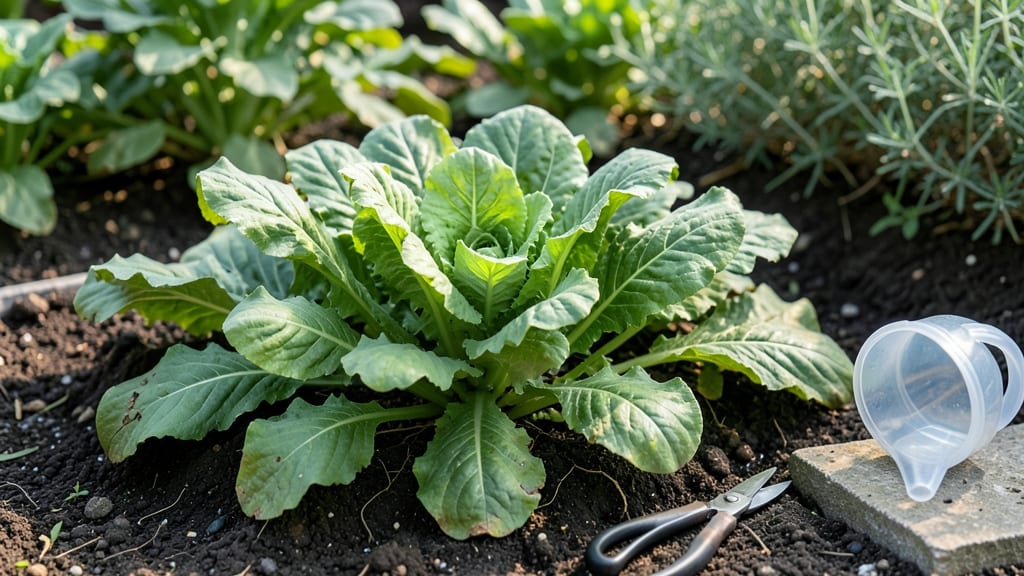
Growing lamb’s lettuce from seed without chilling tricks is the fastest way to get tender greens on your plate. 🌱 I’ve tried the cold-start methods, but this approach skips the waiting—seeds pop up in 3-5 days with the right setup, and you’re harvesting in weeks.
The secret lies in warm soil, consistent moisture, and a little patience, not fancy refrigeration.
You’ll need a shallow tray, well-draining potting mix, and a sunny windowsill or grow light. Lamb’s lettuce thrives in cooler weather but doesn’t demand it—just keep the soil damp (not soggy) and protect seedlings from strong afternoon sun.
The plants grow fast, reaching harvest size in 4-6 weeks, and they’re shockingly resilient against pests like slugs, which usually avoid their mild flavor.
Imagine crisp, peppery leaves perfect for salads, sandwiches, or garnishes—ready when you are. The first harvests are delicate and sweet, but the plants keep producing for months if you snip outer leaves instead of pulling whole stems. No chilling, no fuss, just reliable greens that outpace most spring crops.
Works in containers, raised beds, or directly in garden soil as soon as temperatures dip below 80°F. Even city balconies can grow lamb’s lettuce—just adjust watering for shade. Here’s how to make it foolproof the first time around.
📚 In This Guide
- What you need
- Instructions
- Tips and common mistakes
- Wrapping up and next steps
What you need
- ● Lamb’s lettuce seeds – 1 packet (≈1,000 seeds) (organic or non-GMO preferred for best results).
- ● Seed-starting mix – 1 bag (12-16 qt) (lightweight, sterile potting soil with good drainage).
- ● Containers – 2-4 shallow trays (10"x20") or biodegradable seed pots (2" diameter) (ensure drainage holes!).
- ● Watering can or spray bottle – Fine mist setting (gentle watering avoids seed displacement).
- ● Grow lights or sunny windowsill – 6-8 hours of light daily (south-facing window or LED grow lights work best).
- ○ Gloves (optional, for handling soil).
- ● Plant labels (to track sowing dates).
- ● Humidity dome or plastic wrap (keeps moisture high until germination).
- ● Fertilizer – Balanced liquid fertilizer (5-5-5) (diluted to half-strength after true leaves appear).
- ● Transplanting tweezers (gentle handling for delicate seedlings).
Step-by-Step instructions for growing lamb's lettuce from seed
Skip the cold stratification—this method gets your lamb's lettuce sprouting in 3-5 days without chilling.
🌱 Step 1: Prepare Containers and Soil for Fast Germination
Fill your 4-inch deep containers with 1 gallon of moistened seed-starting mix—I prefer a blend of 50% peat moss and 50% perlite for ideal drainage. The mix should feel like a damp sponge, not dripping water. Press it down gently so the surface is firm but not compacted. Lamb's lettuce seeds are tiny, so a flat, even planting surface prevents them from sinking too deep.
Here's the thing—these seeds need consistent moisture to germinate quickly. I like to pre-moisten the mix in the container for 12 hours before sowing. This ensures the seeds stay hydrated immediately after planting, which is critical for fast germination. Use lukewarm water to avoid shocking the seeds with cold.
💧 Step 2: Sow Seeds Lightly and Maintain Humidity
Sprinkle the 1/4 teaspoon of lamb's lettuce seeds evenly over the soil surface—don’t bury them. These seeds need light to germinate, so covering them would delay sprouting. I use a fine-mesh sieve to distribute them evenly without overcrowding. Once sown, mist the surface with a spray bottle until the soil looks uniformly damp, not soggy.
Cover the container with clear plastic wrap or a humidity dome to trap moisture and warmth. Place it in a warm spot (65-75°F)—a sunny windowsill or under a grow light works well. Check daily for condensation; if you see droplets forming, remove the cover for 30 minutes to prevent mold. You’ll see tiny green sprouts in 3-5 days—that’s your reward for keeping everything moist.
☀️ Step 3: Provide Bright, Indirect Light Immediately
The moment those first sprouts appear, move them to bright, indirect light—no waiting. Lamb's lettuce seedlings grow fast but need 12-14 hours of light daily to stay compact. A south-facing window or a grow light 6 inches above the tray works best. If you notice seedlings stretching toward the light (leggy growth), they’re not getting enough intensity. Adjust the light source within 4 inches of the plants.
Water from the bottom now—place the container in a tray of 1/4 inch of water for 10 minutes to encourage deep root growth. Avoid wetting the leaves, as this can cause fungal issues. You’ll see first true leaves (small, rounded, and dark green) in 7-10 days—this is when you’ll start thinning if needed.
✂️ Step 4: Thin and Transplant for Continuous Harvest
When seedlings reach 1 inch tall, thin them to 1 inch apart using scissors to avoid disturbing roots. I harvest the thinned seedlings for microgreens—just snip them at soil level and add to salads. The remaining plants will fill in quickly. Lamb's lettuce grows fast, so you’ll have ready-to-harvest leaves in 3-4 weeks if you keep the soil moist and light optimal.
For a continuous supply, transplant the thinned seedlings into 6-inch pots with fresh seed-starting mix. Keep them in the same bright, indirect light and water when the top inch of soil feels dry. You’ll love how this method keeps your lamb's lettuce growing without the chill, delivering fresh greens in record time.
Tips & tricks for fast lamb's lettuce germination without chilling
Here's what nobody tells you about accelerating lamb's lettuce growth—these tricks cut weeks off your timeline while keeping your plants healthy and vigorous.
Soil Preparation Secret: The 12-hour pre-moistening step in Step 1 is non-negotiable for fast germination. Use a spray bottle to saturate the mix evenly—don't just pour water, which can create pockets of dryness. I like to place the container in a shallow tray of water for 5 minutes, then drain thoroughly. This ensures uniform moisture without waterlogging, which lamb's lettuce seeds hate. The goal is a mix that holds its shape when squeezed but doesn't drip.
Seed Distribution Technique: That 1/4 teaspoon of seeds in Step 2 might seem tiny, but distribution is everything. I use a folded coffee filter as a makeshift sieve—it's cheaper than buying a fine-mesh one and works perfectly for these delicate seeds. Tap the container gently while distributing to prevent clumping. Uneven sowing leads to patchy germination, which defeats the purpose of our fast-track method. Think of it like snowfall—light and even.
Humidity Management: The warm spot (65-75°F) mentioned in Step 2 should feel like a cozy greenhouse. If you don't have a humidity dome, try this: place a small bowl of warm water near the container. The evaporation creates a microclimate that mimics the dome's effect. Remember to remove the cover for those critical 30 minutes daily—condensation buildup can smother seeds before they even sprout. You'll know you've got it right when you see tiny water droplets forming on the plastic but no mold spots.
Light Transition Strategy: When those first sprouts appear in 3-5 days, don't rush to move them to bright light. Let them acclimate over 24 hours in their current location first. This gradual transition prevents shock that could stunt their growth. For the 12-14 hours of light, I use a simple LED grow light on a timer—it's more consistent than natural light and prevents those leggy seedlings we want to avoid. Position it just 4 inches above the tray to maximize intensity without burning.
Pro Tips for Lambs Lettuce Seed
- Here's what nobody tells you about accelerating lamb's lettuce growth—these tricks cut weeks off your timeline while keeping your plants healthy and vigorous.
- Soil Preparation Secret: The 12-hour pre-moistening step in Step 1 is non-negotiable for fast germination.
- Seed Distribution Technique: That 1/4 teaspoon of seeds in Step 2 might seem tiny, but distribution is everything.
Frequently asked questions
Got questions about growing lamb’s lettuce from seed? You’re in the right place! Here are answers to the most common queries—from germination to harvest—so you can skip the guesswork and enjoy fresh, tender greens in no time.
How long does it take for lamb’s lettuce seeds to germinate?
Lamb’s lettuce seeds typically sprout in 5–14 days under ideal conditions (60–75°F soil, consistent moisture, and indirect light). Unlike some leafy greens, they don’t need a cold stratification period—just keep them warm and damp for speedy results! For faster germination, try soaking seeds in water for 1–2 hours before planting.
Can I grow lamb’s lettuce indoors without a grow light?
Yes, but expect slower growth. Place your seedlings near a bright, south-facing window (at least 6 hours of sunlight daily). If natural light is lacking, supplement with a basic LED grow light (12–14 hours/day) to prevent leggy, weak plants. A sunny windowsill works for small batches, but larger harvests need extra light.
What’s the best soil mix for lamb’s lettuce seeds?
Use a light, well-draining potting mix with a neutral to slightly acidic pH (6.0–7.0). A blend of 50% peat moss or coco coir, 30% perlite or vermiculite, and 20% compost works perfectly. Avoid heavy garden soil—it can compact and suffocate tiny seeds. For containers, add a handful of sand to improve aeration.
Why aren’t my lamb’s lettuce seeds sprouting?
Check these common culprits:
- Too dry: Keep soil consistently moist (not soggy) until germination.
- Too cold: Seeds need warmth (above 50°F). Use a seedling heat mat if your space is chilly.
- Buried too deep: Sprinkle seeds ¼ inch under soil—any deeper, and they’ll struggle to break through.
- Old seeds: Lamb’s lettuce seeds lose viability after 1–2 years. Test a few in a damp paper towel to confirm viability.
Can I harvest lamb’s lettuce like spinach, or is it different?
Harvesting is similar but gentler! Cut leaves at the base when they’re 3–5 inches tall (young leaves are sweeter). For a continuous harvest, snip outer leaves first, leaving the inner growth intact. Unlike spinach, lamb’s lettuce doesn’t develop tough stems—so you can enjoy it whole or in salads. Bonus: It regrows quickly if you leave a 1-inch stub!
Wrapping up and next steps
Growing lamb’s lettuce from seed is a game-changer—especially when you skip the chilling step! With the right soil, moisture, and a little patience, you’ll enjoy fast germination and a bountiful harvest in no time. Whether you’re a seasoned gardener or just starting, this method proves that simplicity works wonders. 🌱
Ready to take the next step? Grab those seeds, prep your space, and watch your garden flourish—no fuss, just fresh greens! Share your progress or ask questions in the comments below.