
Lawn
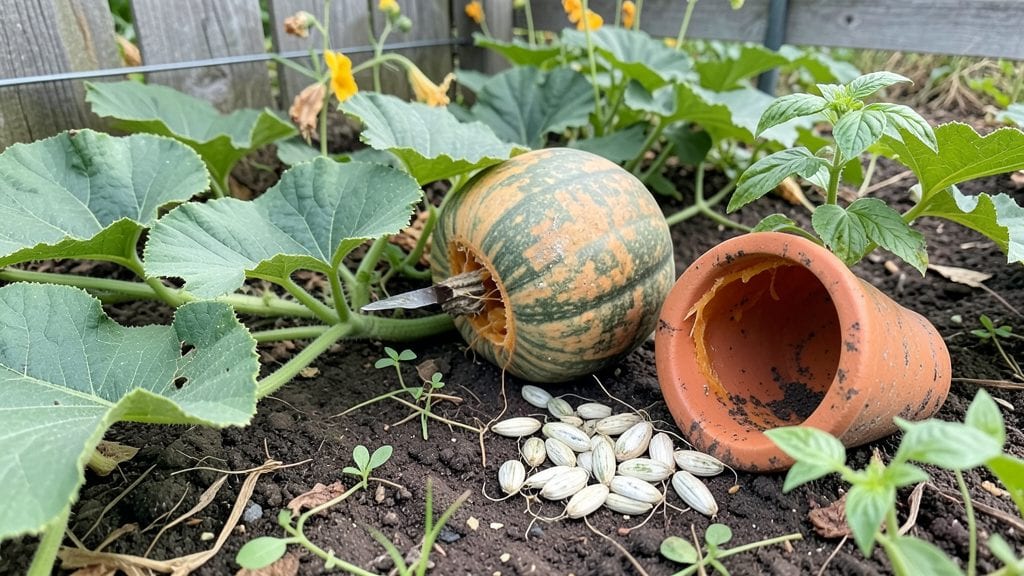
The inside of a pumpkin seed reveals a nutrient-packed treasure: a soft, creamy kernel packed with healthy fats, plant-based protein, and fiber, plus key minerals like magnesium and zinc. The seed’s protective outer shell encases this edible center, while the inner seed coat holds powerful antioxidants and phytonutrients that support both health and cooking creativity.
The edible kernel inside a pumpkin seed is where all the nutritional magic happens, offering a powerhouse of benefits. 🔥 These seeds are often called "nature’s multivitamin" because they deliver healthy fats (like omega-3s) that support heart health, along with protein to keep you full.
The seed coat isn’t just protective—it’s packed with compounds that may help reduce inflammation, making pumpkin seeds a standout in both nutrition and culinary versatility.
Beyond their health perks, these seeds are incredibly adaptable in the kitchen. You can roast them for a crunchy snack, grind them into flour for baking, or even press them for oil rich in flavor.
And here’s a pro tip: saving seeds from pumpkins you grow ensures you’ll always have a fresh, organic supply for both eating and replanting!
💡 In This Article
- Pumpkin Seed Nutritional Composition Breakdown
- Culinary and Gardening Uses for Pumpkin Seeds
Pumpkin seed nutritional composition breakdown
The edible kernel inside a pumpkin seed packs a remarkable nutritional punch, delivering 25-30 grams of protein per 100 grams—comparable to sunflower seeds but with a more balanced amino acid profile.
This protein content rivals that of chia seeds (16 grams per 100 grams) while offering a higher fat-to-protein ratio, making it ideal for plant-based diets.
The fats are predominantly unsaturated (80% of total fat), with omega-3 and omega-6 fatty acids that support cardiovascular health and reduce inflammation.
The seed's 5-6 grams of dietary fiber per 30-gram serving (about ¼ cup) promotes digestive health, while its low carbohydrate content (5-8 grams per 100 grams) makes it a keto-friendly option.
What sets pumpkin seeds apart is their mineral density: 168 mg of magnesium per 100 grams (39% DV) and 6.7 mg of zinc per 100 grams (61% DV)—levels that surpass sunflower seeds in both categories.
The iron content (8.8 mg per 100 grams) also makes them valuable for preventing anemia.
Processing dramatically alters these nutrients. Roasting at 300°F for 10-15 minutes enhances flavor but reduces omega-3 content by 15-20% due to oxidation. Cold-pressing preserves these fatty acids while extracting oil rich in linoleic acid (50-60% of composition), a polyunsaturated fat that supports brain function.
The seed coat's antioxidants, including carotenoids and polyphenols, degrade with heat, so lightly roasted seeds retain more phytonutrients than heavily processed versions.
Compared to chia seeds, pumpkin seeds offer double the magnesium but half the calcium, while sunflower seeds provide more vitamin E (35 mg vs. 2 mg per 100 grams). The key advantage?
Pumpkin seeds combine high protein with balanced fats in a single serving—something neither chia nor sunflower seeds match. Their creamy texture when ground also makes them superior for thickening soups or enriching baked goods.
The seed's low glycemic index (GI < 35) means it stabilizes blood sugar better than most nuts, while its high tryptophan content (143 mg per 100 grams) supports serotonin production.
This combination explains why pumpkin seeds are a staple in both traditional European breads and modern health bars—delivering sustained energy without blood sugar spikes. 💫
For maximum benefits, store seeds in an airtight container at room temperature to preserve their fatty acids. If grinding into flour, use within 2 weeks to prevent rancidity. The seed coat's antioxidants work synergistically with the kernel's nutrients, creating a "superfood synergy" that few other seeds can match.