
Picking
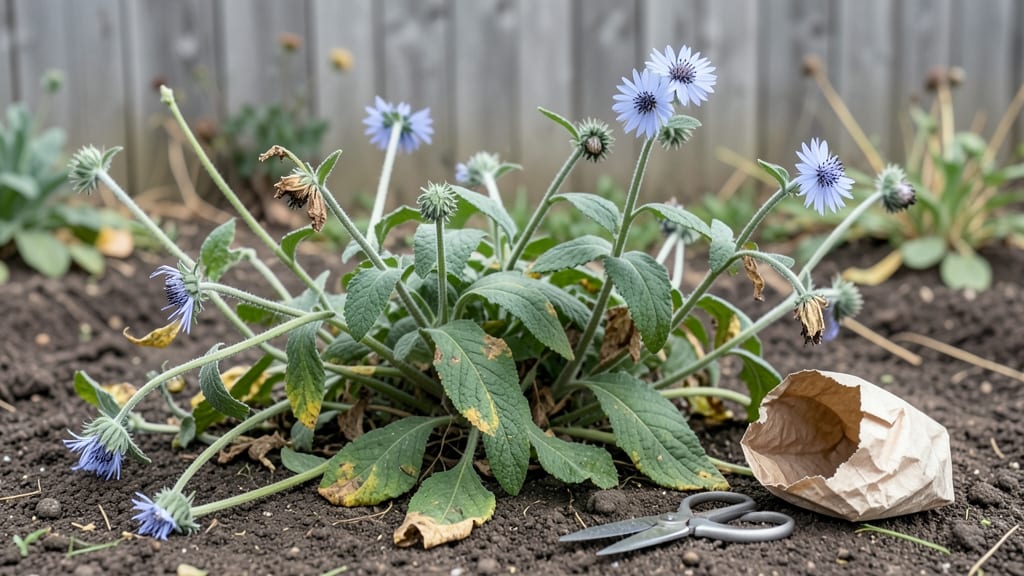
Harvesting borage seeds at the right moment means saving money and ensuring next year’s crop grows even stronger. 🌿 I’ve learned the hard way that waiting too long turns those papery seed heads into brittle messes—while harvesting too early means wasted potential.
The key is watching for those telltale brown, star-shaped seed clusters that pop open like tiny treasure chests.
You’ll need just a few simple tools: sharp scissors or pruners, a clean paper bag for collecting seeds, and a sunny spot to dry them. The process is straightforward but requires patience—borage seeds need time to fully mature and dry on the plant before they’re ready for storage.
Skipping this step means lower germination rates, and nobody wants to waste their hard work.
Once the seeds are fully brown and the seed heads start splitting open, snip them off cleanly and hang them upside down in a dry, airy spot for about two weeks. The dried heads will release seeds easily when gently rubbed between your fingers.
Store the seeds in a labeled envelope in a cool, dark place, and you’ll have fresh borage ready to plant come spring.
This method works perfectly for organic gardeners, homesteaders, or anyone who loves self-sufficient growing. The seeds stay viable for years, so you’ll always have a reliable source for this hardy, bee-loving plant. Now let’s get those seeds ready for next season!
📚 In This Guide
- What you need
- Instructions
- Tips and common mistakes
- Wrapping up and next steps
What you need
- ● Borage plants – Healthy, mature plants (at least 6-8 weeks old) with fully developed seed heads.
- ● Pruning shears or sharp scissors – For cleanly cutting seed stalks (avoid crushing the stems).
- ● Paper bags or breathable mesh bags – 2-3 medium-sized bags (8x10 inches) to collect seeds and allow airflow.
- ● Drying tray or screen – A flat, elevated surface (like a wire rack or cardboard) to spread seeds for drying.
- ● Labeling tags or markers – To mark seed varieties and harvest dates.
- ● Gloves – Protect your hands from prickly stems (borage leaves can be slightly irritating!).
- ● Seed envelope or jar – For long-term storage after drying.
- ● Humidity monitor – Ensures seeds dry in ideal conditions (30-40% humidity).
- ● Fine mesh sieve – Helps separate seeds from debris after drying.
Step-by-Step instructions for harvesting borage seeds
Here's how I ensure a bountiful seed harvest every year—no wasted blooms, just perfect timing.
🌿 Step 1: Identify the Right Flowers for Seed Harvesting
Wait until the star-shaped blue flowers turn into small, round seed heads that look like tiny green lanterns. These are your seed capsules, and they start out pale green before maturing to a papery brown. You'll know they're ready when the petals drop away completely and the capsules feel dry to the touch.
Don't rush—harvesting too early means immature seeds that won't store well. I always check a few capsules daily in late summer when the plants are in full bloom. The perfect time is when the capsules start splitting open slightly at the top, revealing tiny black seeds inside.
⏰ Step 2: Harvest at the Optimal Time of Day
Pick your seed heads early in the morning when the dew has evaporated but the air is still cool. This ensures the capsules are fully dry and less likely to crack open prematurely during collection. Gently twist each seed head off the stem—it should come away easily without resistance.
If you wait until afternoon, the heat can cause some capsules to open naturally, scattering seeds before you can collect them. I place a small tray or sheet of paper beneath the plant while harvesting to catch any stray seeds that might fall.
🪴 Step 3: Dry the Seed Heads Properly
Spread the harvested seed heads in a single layer on a clean, dry surface like a mesh screen or paper towel. Place them in a warm, dry, well-ventilated area away from direct sunlight—too much heat can scorch the seeds. A temperature of 65-75°F works perfectly.
Turn the seed heads every 2-3 days to ensure even drying. You'll know they're ready when the capsules feel completely dry and brittle, and the seeds rattle inside when shaken. This usually takes 1-2 weeks, depending on your climate's humidity.
✂️ Step 4: Extract and Store the Seeds
Once fully dry, place the seed heads in a paper bag and gently crush them with your hands or a rolling pin. The capsules will break open, releasing the small, black seeds. Sift through the debris to separate the seeds from the chaff.
Store the clean seeds in an airtight container like a glass jar or envelope in a cool, dark place. Borage seeds stay viable for 2-3 years when stored properly. Label the container with the harvest date—fresh seeds germinate more reliably.
💧 Step 5: Maintain the Parent Plant for Future Harvests
After harvesting seed heads, leave a few flowers on the plant to continue blooming. This ensures you'll have more seed heads for future harvests. Prune back any leggy or overgrown stems to encourage bushier growth and more flowers.
Water the plant moderately—borage is drought-tolerant, but consistent moisture helps maintain blooming. If your climate is dry, water once a week unless the soil feels bone-dry to the touch. Avoid overwatering, as soggy soil can cause rot.
Tips & tricks for perfect borage seed harvesting
Timing is everything when harvesting borage seeds—these simple tricks will help you avoid wasted blooms and ensure a bountiful harvest every year.
Visual Ripeness Check: In Step 1, when you're deciding if the seed capsules are ready, look for the telltale "split at the top" sign. The capsules should feel completely dry and papery, almost like they're about to burst open naturally. Here's the thing: don't trust just one capsule—check several flowers on the plant. I've found that some capsules mature faster than others, even on the same plant. If you harvest based on just one, you might miss the perfect window for the others.
Morning Harvest Strategy: The early morning timing in Step 2 is non-negotiable. I've learned this the hard way after losing seeds to afternoon heat. When you harvest first thing, the dew has evaporated but the air is still cool, which keeps the capsules intact. Pro tip: wear gloves if your hands are sensitive—the borage stems can be prickly! Also, bring a small tray or even a clean cookie sheet to catch any seeds that might fall while you're harvesting.
Drying Temperature Secrets: That 65-75°F range in Step 3 is perfect because it mimics natural drying conditions without risking heat damage. If your home tends to be warmer, try drying in a spot with good airflow like a screened porch or even a kitchen cabinet with a fan blowing gently nearby. I've noticed that seeds dried at higher temperatures sometimes lose viability faster, so stick to that moderate range. And remember to turn those seed heads every 2-3 days—this prevents mold from forming on the undersides.
Storage Extension Hack: To maximize seed viability beyond the 2-3 year mark mentioned in Step 4, try storing your seeds in the refrigerator instead of at room temperature. The cool environment slows down the natural aging process. I keep mine in a small glass jar with a tight lid in my crisper drawer. Just make sure to label everything clearly—nothing's worse than finding forgotten seeds in the back of your fridge!
Pro Tips for Harvest Borage Seeds
- Timing is everything when harvesting borage seeds—these simple tricks will help you avoid wasted blooms and ensure a bountiful harvest every year.
- Visual Ripeness Check: In Step 1, when you're deciding if the seed capsules are ready, look for the telltale "split at the top" sign.
- Morning Harvest Strategy: The early morning timing in Step 2 is non-negotiable.
Frequently asked questions
Got questions about harvesting borage seeds? You’re not alone—this process can be tricky for beginners! Below, we’ve rounded up the most common concerns and troubleshooting tips to help you master the harvest like a pro.
When is the best time to harvest borage seeds?
The ideal time to harvest borage seeds is when the seed pods are fully brown, dry, and starting to split open. This usually happens in late summer to early fall, depending on your climate. Wait until the pods crack slightly—if you pick them too early, the seeds won’t be mature, and if you wait too long, they’ll scatter on their own!
How long does it take for borage seeds to ripen?
From flowering to seed ripeness, borage typically takes 45–60 days. Keep an eye on the seed heads: they’ll start as green buds, turn yellow, then brown as they dry. If your summer is short, consider starting seeds indoors or using a greenhouse to extend the growing season.
Can I harvest borage seeds if I live in a cold climate?
Yes, but you may need to protect your plants or harvest earlier. In cooler regions, borage might not fully mature before frost. If the pods are still green when fall arrives, try bringing potted plants indoors to a sunny windowsill or under grow lights until they dry. Alternatively, grow borage in containers so you can move them as needed!
What if my borage plants produce few or no seeds?
Several factors could be at play:
- Poor pollination: Borage relies on bees! If you’re in an area with few pollinators, hand-pollinate flowers with a soft brush or stick.
- Over-pruning: If you’ve been harvesting leaves heavily, the plant may focus energy on foliage instead of seeds.
- Nutrient deficiency: Ensure your soil is rich in phosphorus and potassium—key for seed development.
How should I store harvested borage seeds?
Once dried, store seeds in a cool, dark, and dry place (like a sealed jar or envelope) for up to 2–3 years. Avoid humidity or heat, which can cause mold. Label your seeds with the harvest date to track freshness. For best germination, plant them within a year!
Wrapping up and next steps
Harvesting borage seeds is a rewarding process that unlocks the potential of this versatile herb—whether for culinary, medicinal, or ornamental use! By mastering the perfect timing (when flowers turn brown and seeds rattle) and using the right tools, you’ll ensure a bountiful yield.
Don’t let hesitation hold you back: with patience and practice, you’ll soon be enjoying (or sharing!) your homegrown borage harvest.
Ready to take the next step? Experiment with drying methods or explore creative ways to use your seeds—like crafting homemade oil or gifting them to fellow gardeners. Happy harvesting! 🌱✨