
Lawn
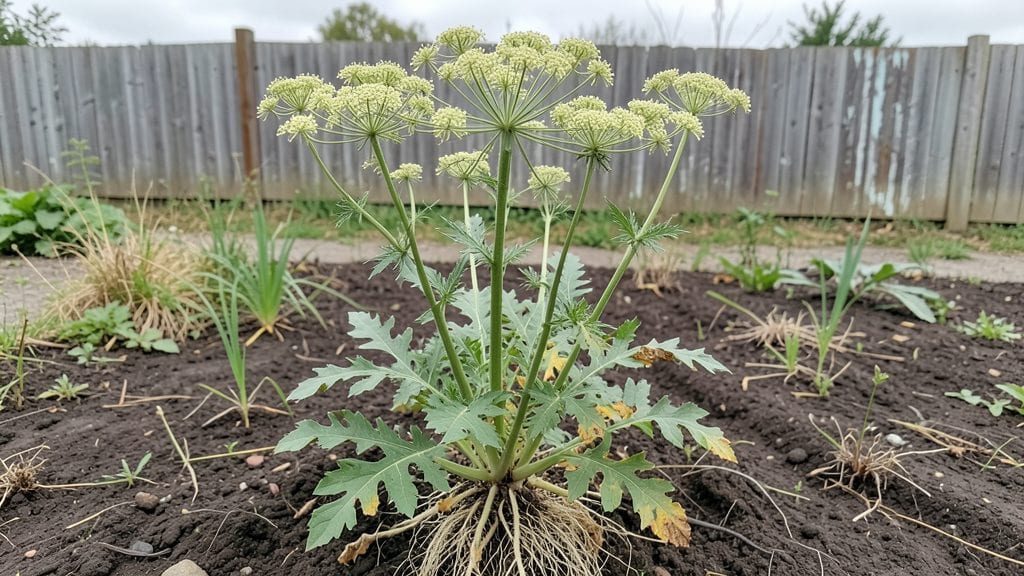
Fennel seed heads are the secret weapon for extending your harvest well past the usual summer bounty—if you know how to coax those feathery tops into full, productive growth.
I’ve spent years watching fennel plants bolt early or produce sparse seeds, until I discovered the exact timing and care that turns a single plant into a seed-producing powerhouse. The key? Balancing water, light, and patience to let those stems thicken and flower reliably.
You’ll need just three things to get started: a sunny spot with at least 6 hours of direct light daily, well-draining soil (even sandy loam works), and a little extra space—fennel can grow 3-5 feet tall when happy.
The real magic happens in late summer, when you let the first flower stalks form before harvesting the lower fronds for cooking. This two-step approach ensures your plant puts energy into both leaves AND seeds, not just one or the other.
By late fall, you’ll be snipping bushy, umbel-shaped seed heads that dry to a golden brown—perfect for grinding into savory seasonings or scattering over salads. The seeds stay viable for up to 2 years if stored properly, so one plant becomes a pantry staple.
Plus, the feathery foliage adds a licorice-like aroma that repels pests from nearby veggies, making fennel a dual-purpose garden MVP.
Works in containers or beds, from Zone 3 to Zone 10—just adjust planting time to avoid early bolting. Here’s how to make it happen without the usual frustrations.
📚 In This Guide
- What you need
- Instructions
- Tips and common mistakes
- Wrapping up and next steps
What you need
- ● Fennel seeds or seedlings: Choose Foeniculum vulgare (common fennel) seeds or organic seedlings. Aim for 10–20 plants for a bountiful harvest.
- ● Well-draining soil: Mix 1 part compost with 2 parts garden soil (pH 6.0–7.0). Fennel hates soggy roots!
- ● Sunny spot: Select a location with 6+ hours of direct sunlight daily—fennel thrives in warmth.
- ● Watering can or hose: A gentle spray nozzle helps avoid disturbing seedlings.
- ○ Organic fertilizer (optional but recommended): Use a balanced 10-10-10 or fish emulsion to boost growth.
- ● Garden trowel or transplanter for planting seedlings.
- ● Pruners or sharp scissors to harvest seed heads cleanly.
- ● Mulch (straw or shredded leaves) to retain moisture and suppress weeds.
- ○ Drip irrigation system (optional) for consistent watering in dry climates.
- ○ Support stakes (optional) if plants grow tall—though fennel is usually self-supporting!
- ● Patience! Fennel takes 90–120 days to mature seed heads.
- ● Regular monitoring for pests like aphids—spray with soapy water if needed.
- ● Knowledge of succession planting to extend harvests year-round.
How to grow fennel seed heads for year-round harvests
Here’s how to coax those feathery fennel seed heads into abundant, bushy growth that keeps producing well past summer.
Choose the Right Variety and Planting Time
Start with bold fennel varieties like Florence or Bronze, which produce sturdy stems and plentiful seed heads. Plant seeds 8-10 weeks before your first frost for a fall harvest, or 4-6 weeks before last spring frost for summer production. Fennel thrives in full sun—at least 6-8 hours daily—so pick a south-facing spot or use a grow light if indoors.
I always sow seeds ¼ inch deep in loose, well-draining soil. Press them lightly so they make contact with the earth—this ensures consistent germination. If your soil feels compacted, mix in 1-2 inches of compost to improve aeration. Fennel dislikes soggy roots, so avoid planting in low spots where water pools.
Thin Seedlings for Stronger Growth
Once seedlings reach 2 inches tall, thin them to 12-18 inches apart—this prevents overcrowding, which leads to leggy, weak stems. Use scissors to snip excess seedlings at soil level instead of pulling; this reduces root disturbance and stress. You’ll end up with 4-6 sturdy plants per 4-foot row, giving them plenty of room to develop thick, branching seed stalks.
Watch for first true leaves (the second set after the initial cotyledons) to appear. This is your cue to fertilize lightly with a balanced 10-10-10 formula—just ½ teaspoon per plant. Too much nitrogen now will encourage leafy growth at the expense of seed production, which is what we want for those feathery heads.
Support Stems and Encourage Bushiness
When fennel reaches 18 inches tall, tie the main stems to bamboo stakes or small trellises. I use soft garden twine to loop gently around the stems—never too tight, or you’ll restrict growth. This support prevents stems from snapping under the weight of seed heads, especially in windy conditions. Without support, stems can bend and produce fewer viable seeds.
To promote bushier growth, pinch back the top sets of leaves when plants hit 3 feet tall. This redirects energy from leaf production to stem and seed head development. You’ll notice new side shoots forming within 2-3 weeks—these are the future seed-bearing branches. Prune off any flower buds that appear before mid-summer; saving them for later ensures a more concentrated harvest.
Harvest Seed Heads at Peak Maturity
Seed heads are ready when they turn light brown and the feathery plumes dry out but haven’t yet scattered seeds. Cut the entire stalk 2-3 inches below the base of the seed head using clean shears. Hang the stalks in a dry, well-ventilated spot—like a garage or shed—for 1-2 weeks to fully dry. Shake the dried heads gently over a bowl to collect seeds; store them in a paper bag in a cool, dark place.
Don’t let seeds fall to the ground—they’ll self-sow prolifically, often producing wild fennel that’s less flavorful than cultivated varieties. If you miss the harvest window, you can still collect seeds from dried stalks left in the garden, but yields will be smaller. For year-round harvests, succession-plant seeds every 4-6 weeks starting in early spring.
Extend the Season with Winter Care
In colder climates, protect mature fennel plants with row covers or straw mulch to extend the growing season. Fennel is hardy down to 20°F, but seed heads may not fully mature in freezing temperatures. If frost threatens before harvest, bring potted plants indoors to a sunny windowsill or under grow lights until ready. In mild winters, fennel often resprouts in spring, giving you an early harvest.
After harvest, pull up remaining stalks and compost them to prevent self-seeding where you don’t want it. Mark your planting spot—fennel thrives in the same soil year after year, and its deep roots improve drainage. With this method, you’ll enjoy 4-6 harvests per year from a single planting.
Tips & tricks for perfect fennel seed heads
These simple strategies will help you maximize your fennel seed harvest and keep those feathery heads coming all year long.
Planting Timing is Everything: The 8-10 week window before your first frost is critical for fall harvests. I always check my local frost dates and mark the calendar—this ensures your fennel matures before cold weather sets in. For summer production, that 4-6 week window before last spring frost gives plants enough time to establish before hot weather arrives. Don't rush planting; fennel needs time to develop strong stems for those seed heads.
Thinning Technique Matters: When thinning those 2-inch seedlings to 12-18 inches apart, I use clean scissors instead of pulling to avoid disturbing roots. This might seem like a small detail, but proper thinning prevents leggy plants and gives each remaining plant enough space to develop those thick, branching stems we want for seed production. The goal is 4-6 sturdy plants per 4-foot row—this spacing makes all the difference in seed head quality.
Support System Prevents Disaster: That 18-inch height mark is when you need to tie stems to bamboo stakes. I've seen too many beautiful seed heads snap under their own weight in windy conditions. Use soft garden twine and make sure it's not too tight—you want to support, not strangle. This simple support system can double your viable seed production by preventing stem breakage.
Winter Care Saves Your Harvest: Fennel's hardiness down to 20°F means you can extend your season with minimal effort. In colder climates, I've had great success using row covers or straw mulch to protect plants through light frosts. For plants in pots, a sunny windowsill or grow lights can keep them producing even in winter. This winter care strategy lets you enjoy fresh fennel seed harvests well beyond the typical growing season.
Pro Tips for Fennel Seed Heads
- These simple strategies will help you maximize your fennel seed harvest and keep those feathery heads coming all year long.
- Planting Timing is Everything: The 8-10 week window before your first frost is critical for fall harvests.
- Thinning Technique Matters: When thinning those 2-inch seedlings to 12-18 inches apart, I use clean scissors instead of pulling to avoid disturbing roots.
Frequently asked questions
Got questions about growing lush fennel seed heads?
You’re not alone! Here are answers to the most common queries—from planting to harvesting—so you can enjoy a thriving fennel patch all year.
How long does it take for fennel seed heads to mature?
Fennel seed heads typically take 90–120 days to mature after planting, depending on your climate. In cooler regions, they may need a bit longer. Watch for brown, papery umbels (flower clusters) to signal readiness. Pro tip: Harvest seeds when they’re fully dry but before they scatter—usually in late summer or early fall.
Can I harvest fennel seed heads more than once?
Yes! Fennel is a perennial in warm climates, meaning it can regrow from the same plant for years. After harvesting seed heads, trim the plant back to 6–8 inches and water well. In colder zones, treat it as an annual—save seeds for next year’s planting. Bonus: The feathery foliage stays edible even after flowering!
What should I do if my fennel seed heads aren’t forming?
Missing seed heads? Check these fixes:
- Light: Fennel needs full sun (6+ hours/day). Move to a sunnier spot if growth is leggy.
- Water: Keep soil consistently moist but not soggy—drought stress can stunt flowering.
- Nutrients: Add compost or balanced fertilizer at planting and mid-season for a boost.
- Pests: Watch for aphids or spider mites—spray with neem oil if needed.
Are there alternatives to fresh fennel seed heads for cooking?
If you can’t grow your own, try:
- Dried fennel seeds: Toast whole seeds in a pan for 1–2 minutes to enhance flavor (great for bread, soups, or teas).
- Powdered fennel: Crush seeds into a fine powder for quick use in marinades or spice blends.
- Store-bought fennel bulbs: Use the bulb itself (like an onion) in salads or roasted dishes.
- Anise or star anise: Close relatives—use sparingly as a substitute (1:1 ratio).
How do I store fennel seed heads for long-term use?
To preserve seeds for 6–12 months:
- Hang dried umbels upside-down in a paper bag in a cool, dark place (like a pantry).
- Or, spread seeds on a baking sheet to dry completely, then store in an airtight jar.
- Freeze fresh seeds in ice cube trays with water for later use in cooking.
Pro tip: Test for freshness—crush a few seeds; they should smell sweet and aromatic. If stale, compost and replant!
Wrapping up and next steps
Fennel seed heads aren’t just a seasonal treat—they’re a year-round gardening gem when you master the right techniques! By choosing the perfect location, providing consistent care, and troubleshooting common issues, you can enjoy bushy, productive fennel plants that reward you with aromatic blooms and seeds.
Whether you’re a seasoned gardener or just starting out, these secrets will help you harvest with confidence.
Ready to transform your garden? Start small—plant a few fennel seeds this week and experiment with the tips you’ve learned. Before you know it, you’ll be savoring fresh fennel seed heads straight from your backyard! 🌱✨