Propagation
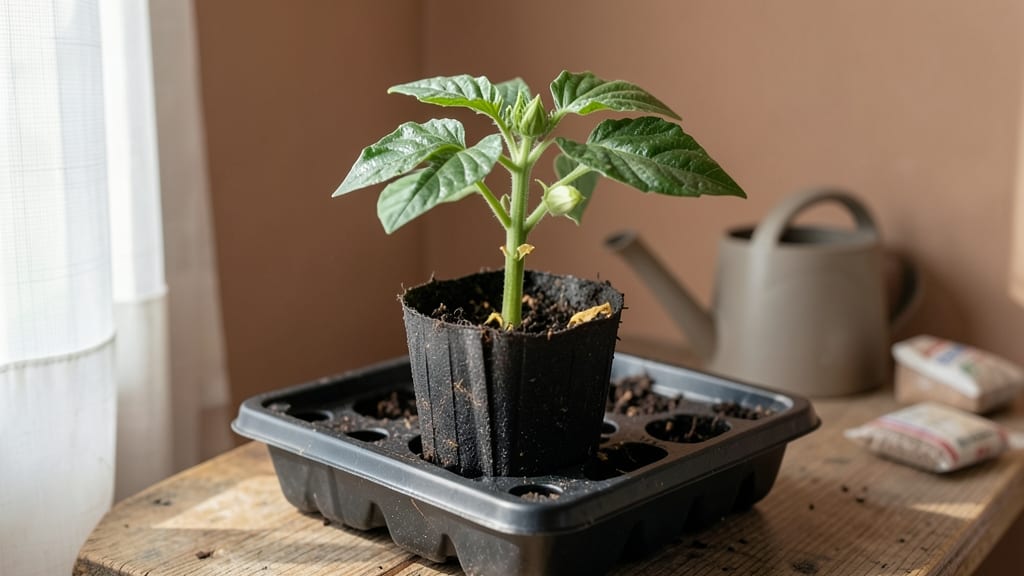
My early jalapeño seedlings start in 4-5 days instead of the usual two weeks—here’s the trick that cuts germination time in half. 🌱 I’ve spent years perfecting this method after my first batch took three weeks to sprout, leaving me scrambling to transplant before spring’s end.
The secret isn’t fancy; it’s about moisture, warmth, and a little patience (or impatience, depending on your perspective).
You’ll need a heat mat, a clear plastic lid or bag, and a mix of 50% peat moss and 50% perlite to keep seeds snug but well-drained. Plant them just below the soil surface—jalapeños hate being buried deep—and keep the mix damp (not soggy).
Within days, you’ll see those first tiny sprouts pushing through, ready to outpace store-bought seedlings.
Once they’ve got their first true leaves, they’ll grow fast—think 6-8 inches in about three weeks if you give them 12-14 hours of bright light daily. The key is consistency: no cold drafts, no drying out, and no overcrowding.
By the time you’re hardening them off, you’ll have stocky, dark-green seedlings that transplant like pros.
This method works for any pepper variety, but jalapeños reward the effort with earlier harvests—imagine fresh peppers by mid-July instead of August. The trick? Start early, stay warm, and don’t rush the process. Your garden (and your taste buds) will thank you.
Root Causes Of Premature Growth
When your early jalapeño seedlings bolt or stretch unnaturally tall before developing a sturdy root system, it’s usually a sign of stress or environmental mismanagement. Understanding the underlying causes helps you adjust care strategies to promote healthy, compact growth.
Below, we break down the key triggers and why they disrupt normal seedling development.
Jalapeños (Capsicum annuum) are warm-season plants that thrive in consistent temperatures between 70–85°F (21–29°C). When seedlings experience sudden drops—especially below 50°F (10°C)—they enter survival mode, prioritizing rapid growth above ground to escape perceived threats.
- Why it happens: Cold stress triggers the production of ethylene gas, a plant hormone that accelerates elongation (bolting) to reach warmer air faster. This weakens cell walls and delays root maturation.
- Actionable fix:
- Use a seedling heat mat (70–75°F / 21–24°C) to maintain soil warmth.
- Avoid placing trays near drafty windows or AC vents.
- If outdoors, use row covers or move pots to a sheltered spot.
Seedlings stretched toward light sources with pale, elongated stems? That’s etiolation—a desperate bid for sunlight when photosynthesis can’t keep up. Without proper light, seedlings burn energy reserves to grow taller, leaving them weak and prone to collapse.
- Why it happens: Low light reduces chlorophyll production, forcing seedlings to rely on stored energy (from the seed) to fuel rapid stem growth. This creates a carbon-starved state, where roots suffer.
- Actionable fix:
- Provide 12–16 hours of light daily using grow lights (LED or fluorescent) 2–3 inches above seedlings.
- Rotate trays quarter-turn daily to prevent skewed growth.
- Avoid placing seedlings in dim corners—natural light alone is rarely sufficient indoors.
When seedlings are too close together, their roots tangle and compete aggressively for water and nutrients. This forces them to grow upward quickly to access light, often at the expense of root development.
- Why it happens: Root-bound seedlings experience oxygen deprivation and nutrient depletion in shared soil. The plant perceives this as a "starvation signal," triggering a growth spurt to outcompete neighbors.
- Actionable fix:
- Space seedlings 1–2 inches apart in trays or use individual pots (2–3 inches wide).
- Thin seedlings if they’re touching leaves, snipping at soil level to avoid disturbing roots.
- Use soilless mixes (like coco coir + perlite) to improve aeration.
Soggy soil or containers without drainage holes create anaerobic conditions, where roots can’t absorb oxygen. Seedlings respond by growing upward to escape the "drowning" environment, leading to weak, top-heavy stems.
- Why it happens: Waterlogged soil triggers hypoxia, forcing seedlings to prioritize stem elongation over root growth. Excess moisture also leaches nutrients, further stressing the plant.
- Actionable fix:
- Use pots with drainage holes and elevate trays to prevent water pooling.
- Water only when the top inch of soil is dry—stick your finger in to check.
- Add perlite or vermiculite (20–30%) to soil mixes to improve drainage.
Jalapeño seedlings need a balanced diet of nitrogen (N), phosphorus (P), and potassium (K) in the right ratios. Too much nitrogen (common in synthetic fertilizers) promotes leafy growth at the expense of roots, while deficiencies force compensatory stretching.
- Why it happens:
- Excess nitrogen: Overstimulates top growth, depleting energy for roots (lush leaves, weak stems).
- Phosphorus deficiency: Slows root development, causing seedlings to bolt prematurely (purple stems, slow growth).
- Actionable fix:
- Use a low-concentration starter fertilizer (5–10–10 or 3–4–6 ratio) only after the first true leaves appear.
- Avoid organic amendments (like manure) until seedlings are 4+ weeks old.
- Test soil pH—jalapeños prefer 6.0–7.0; adjust with lime (to raise) or sulfur (to lower).
Pro Tip: 🔍 Diagnose your seedlings’ stress signals: Cold stress = purple stems; light deprivation = yellowing leaves; overwatering = mushy stems. Act fast—correcting these issues early prevents permanent damage!
Quick fixes for fussy seedlings
Growing early jalapeño seedlings can feel like a high-stakes game of patience—especially when they’re slow to sprout or struggle to thrive. But don’t worry! With the right fixes, you can turn weak starts into robust plants.
Below are targeted solutions for common issues, organized by cause, plus prevention tips to keep your seedlings on the fast track to success.
---
Cause: Cold soil, old seeds, or improper moisture. How to Revive: - 🔥 Warm Up the Soil: Place your seed tray on a heat mat (70–80°F is ideal) or nestle it near a sunny window. Jalapeños love warmth—this mimics their tropical roots! - 💧 Adjust Moisture: Soak the soil lightly (not soggy!) with a spray bottle. Cover the tray with plastic wrap to trap humidity, then remove it once sprouts appear. - ⏳ Be Patient: Some seeds take 7–21 days. If nothing happens in 3 weeks, test a few seeds in warm water—if they float, they’re likely dead.
💡 Prevention Tip: Pre-soak seeds in warm water for 4–6 hours before planting to kickstart germination. Store seeds in a cool, dry place (not the fridge!) for next year.
---
Cause: Too much light (or too little), overcrowding, or nutrient deficiency. How to Revive: - 🔦 Optimize Light: Move seedlings 1–2 inches closer to a grow light (12–16 hours/day). If using natural light, rotate the tray daily so they don’t lean. - 🌿 Thin Out Crowds: Snip off weaker seedlings at the base, leaving the strongest 2–3 inches apart. This prevents competition for nutrients. - 🍽️ Fertilize Lightly: Use a half-strength balanced fertilizer (like 5-5-5) or a seaweed extract. Overfeeding can burn tender roots!
💡 Prevention Tip: Start with bigger seed trays (2–3 inches deep) to give roots room to grow. Avoid transplanting too soon—wait until seedlings have 2–3 true leaves.
---
Cause: Overwatering, underwatering, or temperature stress. How to Revive: - 💧 Check the Soil: Stick your finger 1 inch deep—if it’s damp, hold off on watering. If dry, water slowly until it drains from the bottom. - 🌡️ Stabilize Temps: Keep seedlings between 60–75°F. Avoid drafts (like AC vents) or cold windowsills at night. - 🍃 Trim Damaged Leaves: Snip off yellow or mushy leaves with clean scissors to prevent rot from spreading.
💡 Prevention Tip: Use well-draining soil (mix potting soil with perlite or vermiculite). A moisture meter ($10) takes the guesswork out of watering!
--- Cause: Fungal spots, aphids, or mold from humidity. How to Revive: - 🦠 Treat Fungus: Spritz seedlings with a 1:10 hydrogen peroxide-water mix (3%) or neem oil. Remove affected leaves immediately. - 🐛 Banish Pests: Wipe aphids off with soapy water (1 tsp mild soap per quart).
Introduce ladybugs or use insecticidal soap for stubborn bugs. - 🌬️ Improve Airflow: Space trays apart and use a small fan on low speed (24/7) to dry leaves faster.
💡 Prevention Tip: Sterilize tools with rubbing alcohol before handling seedlings. Avoid overhead watering—use a drip method instead.
--- Cause: Shock from repotting or root damage. How to Revive: - 🌱 Handle Gently: When transplanting, bury seedlings deeper than before (up to the first true leaves). This encourages stronger roots. - 💧 Water Deeply: Soak the soil after transplanting to reduce shock.
Use room-temperature water. - 🌿 Shield from Stress: Keep seedlings in partial shade for 3–5 days post-transplant, then gradually reintroduce light.
💡 Prevention Tip: Hardening off is key! Acclimate seedlings to outdoor conditions over 7–10 days before planting—start with 1 hour of sunlight daily and increase slowly.
--- - 🌿 Use Eggshells: Crush and mix into soil for extra calcium—it prevents blossom-end rot later. - ☀️ Supplement with LED Grow Lights: Full-spectrum bulbs (like 6500K) mimic sunlight and boost chlorophyll production. - 🌡️ Nighttime Warmth: Place a heating pad under trays at night (jalapeños thrive in warmth even after germination).
--- Remember: Every seedling has its own pace, but with these fixes, your early jalapeños will be bold, bushy, and ready for the garden in no time! 🌶️💪
Frequently asked questions
How deep should I plant jalapeño seeds for early seedlings?
Plant seeds just ¼ inch deep—jalapeños hate being buried too deep. Cover them lightly with soil and keep the mix moist but not soggy. The seeds need darkness to germinate, so avoid pressing them into the surface.
Can I use regular potting soil for my early jalapeño seedlings?
Not ideal! Mix 50% peat moss or coco coir with 50% perlite or vermiculite for better drainage. Regular potting soil can compact and trap moisture, leading to mold or weak roots. This lightweight blend helps seedlings breathe and grow strong.
Why are my early jalapeño seedlings turning purple?
Purple stems usually mean cold stress or phosphorus deficiency. Keep soil temps above 60°F and use a balanced starter fertilizer (like 5-10-10) after the first true leaves appear. A heat mat can prevent this common issue.
How long should I keep my seedlings under grow lights?
Provide 12–16 hours of light daily using LED grow lights (6500K). Place them 2–3 inches above seedlings and rotate trays daily to prevent leaning. Natural light alone is rarely strong enough indoors.
When can I transplant my early jalapeño seedlings outdoors?
Wait until nighttime temps stay above 55°F and seedlings have 2–3 true leaves. Harden them off over 7–10 days by gradually increasing outdoor exposure. Plant in well-drained soil and space them 18 inches apart for optimal growth.