
Diseases
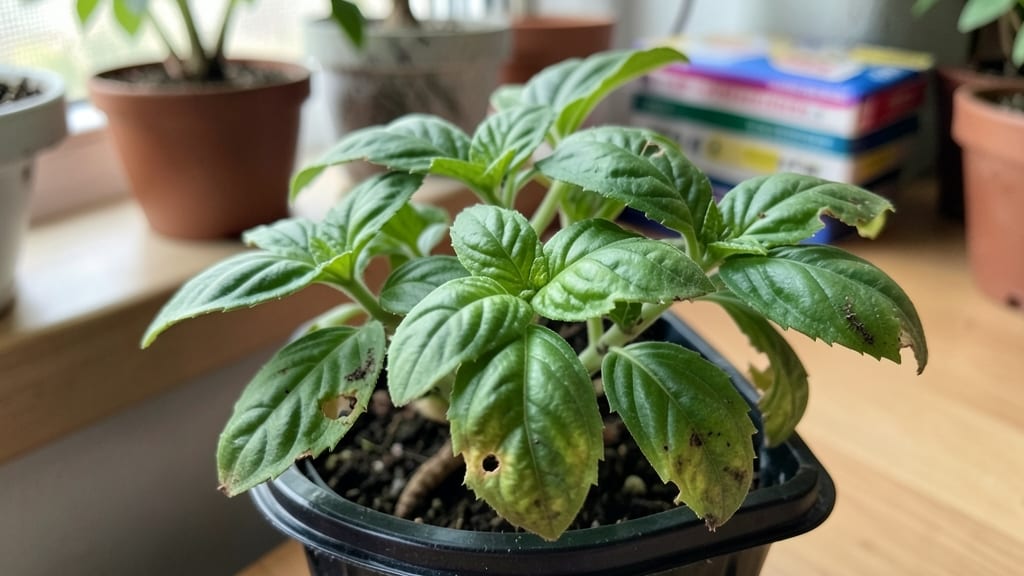
Those deformed seedling leaves that twist, curl, or stunt can feel like a heartbreak—especially after all the care you’ve given those fragile sprouts. 🌱 I’ve nursed dozens back to health, and the fixes are faster than you’d think once you spot the right clues.
The key is acting within the first 48 hours, before the damage compounds.
Most deformities come from just four culprits: overwatering (which smothers roots), nutrient imbalances (like too much nitrogen or phosphorus), tiny pests hiding on the undersides of leaves, or sudden temperature swings that confuse the plant’s growth hormones.
My own seedlings once looked like they’d been run through a blender—until I realized the trays had sat in stagnant water for days. A simple adjustment to drainage and spacing turned things around in under a week.
You’ll diagnose the problem by checking the soil moisture, inspecting leaves for pests, and comparing your seedlings to healthy reference photos. The fixes are straightforward: adjust watering, add balanced fertilizer, or introduce beneficial insects like ladybugs.
Within days, you’ll see those leaves straightening out and new growth emerging strong and true. Here’s how to spot the exact issue and reverse it fast.
This method works for tomatoes, peppers, herbs, and flowers alike—no matter your climate or growing setup. The secret isn’t guesswork; it’s paying attention to the subtle signs your seedlings are trying to tell you. Let’s get those leaves looking normal again.
Root Causes Behind Twisted Leaves
When your seedlings sprout leaves that look more like crumpled paper than vibrant green foliage, it’s a red flag that something’s off. Understanding the why behind these deformities is the first step to saving your plants.
Below, we break down the most common culprits—each with a scientific twist and actionable insights to help you diagnose and fix the issue fast.
Seedlings are delicate, and temperature swings can wreak havoc on their development. Extreme heat or cold disrupts cell division and protein synthesis, leading to stunted, curled, or distorted leaves.
- Too Hot: High temperatures (above 85°F/29°C) cause heat stress, where enzymes like RuBisCO (critical for photosynthesis) malfunction. This leads to chlorosis (yellowing) and leaf curling as the plant tries to conserve moisture.
- Too Cold: Chilly nights (below 50°F/10°C) slow metabolic processes, including auxin transport (a plant hormone that regulates growth). Without proper auxin flow, leaves grow unevenly, often appearing puckered or crinkled.
Pro Tip: 🌡️ Use a seedling heat mat (for cold snaps) or provide shade cloth (for scorching heat). Aim for a consistent 65–75°F (18–24°C) range during the day and 55–65°F (13–18°C) at night.
Water is the lifeblood of seedlings, but too much or too little throws their growth patterns into chaos. Both extremes interfere with nutrient uptake and turgor pressure (the internal water pressure that keeps leaves firm).
- Overwatering: Soggy soil cuts off oxygen, leading to anaerobic conditions that disrupt ethylene production (a gas that triggers abnormal growth). Leaves may appear thickened, glossy, or wavy as the plant struggles to breathe.
- Underwatering: Drought stress causes osmotic imbalances, forcing cells to shrink unevenly. This results in crispy, cupped, or brittle leaves as the plant conserves water.
Pro Tip: 💧 Test soil moisture with your finger—it should feel damp but not soggy. Use well-draining trays and bottom-watering to prevent root rot while keeping roots hydrated.
Unseen microbes can turn your seedlings into a science experiment gone wrong. Fungal and bacterial infections often mimic nutrient deficiencies but leave behind telltale signs of deformation.
- Fungal Infections (e.g., Pythium, Fusarium): These pathogens attack roots and stems, disrupting vascular tissue (the plant’s plumbing system). Leaves may develop dark, water-soaked spots that spread into crinkled, distorted edges.
- Bacterial Soft Rot (Erwinia species): Bacteria secrete enzymes that break down cell walls, causing yellowing, wilting, and leaf curling. Infected areas often ooze a clear or milky sap.
Pro Tip: 🔍 Sterilize tools with 70% isopropyl alcohol and use fungicide (e.g., neem oil or copper-based sprays) preventatively. Remove infected seedlings immediately to stop the spread.
Seedlings need a precise balance of nutrients to grow straight and strong. Too little of one nutrient or too much of another can lead to physical deformities as the plant misallocates resources.
| Nutrient Deficiency | Leaf Deformation Signs | Quick Fix |
|---|---|---|
| Nitrogen (N) | Leaves are small, pale, and curled inward (stunted growth). | Apply a balanced fertilizer (10-10-10) or compost tea. |
| Magnesium (Mg) | Interveinal chlorosis (yellowing between veins) with cupped or twisted edges. | Spray with Epsom salt solution (1 tbsp/gallon). |
| Boron (B) | Leaves develop thickened, brittle, or cracked edges (a condition called boron toxicity if overapplied). | Use a boron supplement (1–2 ppm) sparingly. |
Pro Tip: 📊 Conduct a soil test to identify deficiencies before symptoms appear. Over-fertilizing is just as harmful as under-fertilizing!
Tiny invaders like aphids, spider mites, and thrips don’t just nibble—they inject toxins and disrupt hormone signals, leading to deformed leaves. Their feeding patterns often leave behind stippled, curled, or malformed foliage.
- Aphids: Their stylet feeding (inserting mouthparts into plant tissue) disrupts cytokinin and auxin ratios, causing leaves to curl upward like tiny green roses.
- Spider Mites: These pests pierce cells, leading to silver or bronze speckling and stunted, distorted growth.
- Thrips: Their rasping mouthparts scar leaf tissue, resulting in scratched, puckered, or silvered areas.
Pro Tip: 🕷️ Blast pests off with a strong spray of water or use insecticidal soap. Introduce beneficial insects (ladybugs, lacewings) for long-term control.
Now that you know the why, the next step is diagnosing your specific case. Grab a magnifying glass, check your growing conditions, and get those seedlings back on track! 🚀
Fixing crooked seedling growth fast
Watching your seedlings struggle with twisted, misshapen, or stunted leaves can be frustrating—but the good news is that most issues have quick fixes. Below, we’ve mapped out practical solutions for the most common causes of deformed seedling leaves, along with prevention tips to keep your next batch thriving.
Let’s get those little green warriors back on track!
If your seedlings are leaning, yellowing, or growing unevenly, environmental factors are often the culprits. Here’s how to correct them:
✅ Too Little or Too Much Light
🔥 Fix It:
- Move seedlings closer to a bright light source (or under grow lights) if they’re stretching (a sign of etiolation).
- Rotate trays daily to ensure even light exposure—prevents lopsided growth.
- Use reflective surfaces (like aluminum foil on walls) to bounce light into shaded spots.
💡 Prevention Tip: Start with 12–16 hours of light daily and adjust based on your plants’ needs (e.g., leafy greens need less than tomatoes).
🌡️ Extreme Temperatures
🔥 Fix It:
- Move seedlings away from drafts, heaters, or cold windowsills. Ideal temps: 65–75°F (18–24°C) during the day, 55–60°F (13–16°C) at night.
- Use a heat mat (for cool climates) or shade cloth (for scorching sun) to stabilize conditions.
- Mist seedlings lightly in dry heat to boost humidity without drowning roots.
🌡️ Pro Tip: If seedlings wilt in heat, bury the container slightly deeper in soil to keep roots cooler.
💧 Humidity Imbalances
🔥 Fix It:
- Increase humidity (for dry air): Place trays on a damp towel, use a humidity dome, or group seedlings together.
- Reduce humidity (for mold/fungus risk): Space plants apart, improve airflow with a small fan on low, and avoid overwatering.
✨ Quick Fix: A spray bottle with room-temperature water can give seedlings a temporary humidity boost.
If leaves are crinkled, spotted, or covered in mold, pathogens may be at fault. Act fast to save your seedlings!
🍄 Powdery Mildew or Downy Mildew
🔥 Fix It:
- Remove infected leaves immediately with sterilized scissors.
- Spray with a fungicide (neem oil, baking soda solution, or copper-based spray).
- Improve airflow by thinning seedlings or using a fan.
💡 Prevention Tip: Water seedlings at the base (not overhead) and avoid crowded trays.
🦠 Bacterial Leaf Spot
🔥 Fix It:
- Isolate infected seedlings to prevent spread.
- Wipe leaves with a 10% hydrogen peroxide solution (1 part peroxide to 9 parts water).
- Sterilize tools and containers with rubbing alcohol after use.
🎯 Pro Tip: Prevent recurrence by rotating crops and avoiding wet foliage.
Tiny invaders can distort leaves by sucking sap or laying eggs. Here’s how to evict them:
🐜 Aphids or Spider Mites
🔥 Fix It:
- Blast them off with a strong spray of water (aphids hate this!).
- Apply insecticidal soap or neem oil (follow label instructions).
- Introduce beneficial insects (ladybugs or lacewings) for long-term control.
👨🍳 DIY Spray Recipe:
- Mix 1 tsp mild liquid soap + 1 tsp neem oil + 1 quart water.
- Spray directly on pests (avoid seedlings’ faces).
- Reapply every 3–5 days until gone.
🐜 Slugs or Snails
🔥 Fix It:
- Set up beer traps (bury a shallow dish filled with beer near seedlings—slugs crawl in and drown).
- Use diatomaceous earth (food-grade) around the base of containers (kills slugs by dehydrating them).
- Handpick at night with a flashlight (wear gloves!).
🔪 Prevention Tip: Remove hiding spots like mulch or debris near seedlings.
Sometimes, the issue is as simple as how you’re handling your seedlings. Here’s how to fix avoidable damage:
🌪️ Wind or Rough Handling
🔥 Fix It:
- Stake or support tall seedlings with toothpicks or small bamboo sticks.
- Transplant carefully—gently loosen roots before moving to avoid breakage.
💡 Prevention Tip: Hardening off seedlings (gradually exposing them to outdoor conditions) before transplanting reduces shock.
💧 Overwatering or Poor Drainage
🔥 Fix It:
- Check soil moisture—stick your finger in the soil. If it’s soggy, let it dry out before watering again.
- Repot in well-draining mix (add perlite or vermiculite if needed).
- Use saucers with drainage holes to prevent root rot.
⏰ Watering Schedule Hack:
- Water seedlings once every 2–3 days (less is often more for tiny roots).
- Bottom-water (place trays in a shallow dish of water for 10 mins) to encourage deep root growth.
Once your seedlings are back on track, keep them healthy with these proactive steps:
- ✅ Start with quality seeds (tested for disease resistance if possible).
- ✅ Use sterile soil (pasteurize or buy fresh potting mix).
- ✅ Monitor light and temperature consistently (invest in a small thermometer/hygrometer if needed).
- ✅ Inspect seedlings daily for early signs of stress or pests.
- ✅ Rotate and prune to encourage strong, even growth.
With these fixes, your deformed seedlings should bounce back in days—and your future harvests will thank you! 🌱💚
Frequently asked questions about seedling leaf deformities
Why do my seedlings have twisted or curled leaves?
Twisted or curled leaves usually signal stress from environmental factors like temperature swings, poor humidity, or inconsistent watering. Extreme heat disrupts cell growth, while cold slows hormone production. Check soil moisture—overwatering smothers roots, while underwatering causes osmotic stress.
Can nutrient deficiencies cause deformed seedling leaves?
A magnesium deficiency causes yellowing between veins with cupped edges, while nitrogen shortage produces small, pale, curled leaves. Test your soil and apply Epsom salt (1 tbsp/gallon) for magnesium or a balanced fertilizer (10-10-10) for nitrogen. Over-fertilizing can also deform leaves by burning roots.
How do I tell if pests are causing my seedlings' deformed leaves?
Look for tiny insects on leaf undersides or webbing. Aphids cause upward curling, spider mites create bronze speckling, and thrips leave silvered scars. Blast them off with water, then apply insecticidal soap or introduce ladybugs. Check leaves daily during outbreaks.
Will my deformed seedlings recover if I fix the problem?
Yes! Seedlings are resilient. If caught early (within 48 hours of noticing deformities), they'll often regrow normal leaves within 3-7 days once conditions improve. Severely damaged leaves won't recover, but new growth will straighten quickly with proper care. Monitor closely during recovery.
What's the best way to prevent deformed seedling leaves?
Start with sterile soil, maintain consistent temperatures (65-75°F), and provide 12-16 hours of light daily. Use well-draining trays, avoid overhead watering, and inspect seedlings daily for early signs of stress. Rotate trays regularly for even growth.