
Pests
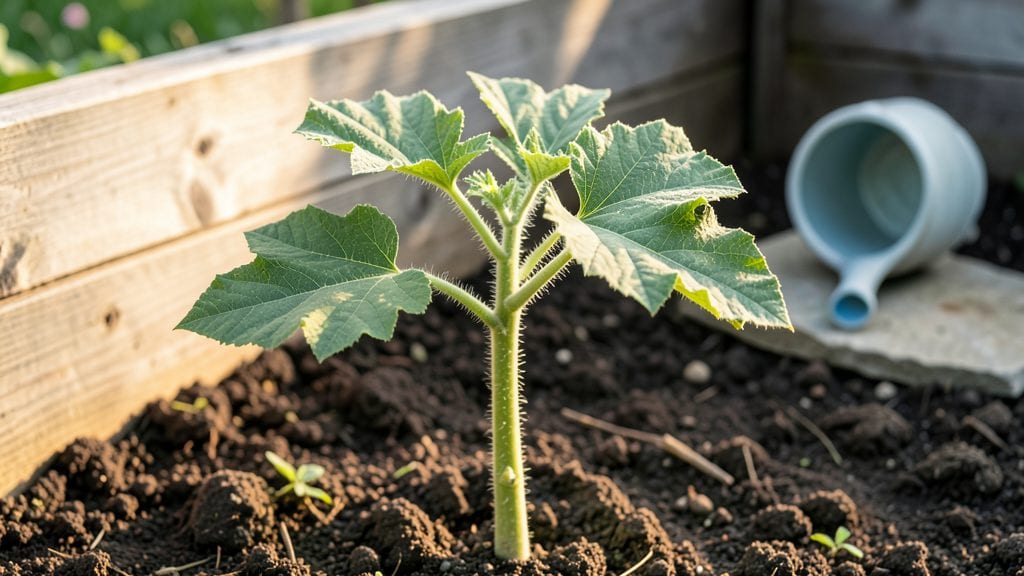
Those first cantaloupe seedling leaves tell you everything about what’s coming—if you know what to look for. 🌱 I’ve watched seedlings go from crisp green to chewed rags in days, and the key to saving them is spotting problems early, before pests or disease take over.
The difference between a thriving vine and a lost plant often comes down to what you do in those first two weeks.
Start by examining the undersides of leaves for tiny webs, speckled holes, or sticky residue—classic signs of aphids, spider mites, or cucumber beetles. Yellowing edges or curled leaves usually mean overwatering or fungal pressure, while holes mean chewing pests.
The good news? Most issues can be fixed with a spray bottle, neem oil, or even a strong stream of water to knock off pests before they multiply.
📚 In This Guide
- What you need
- Instructions
- Tips and common mistakes
- Wrapping up and next steps
What you need
- ● Cantaloupe seeds: Choose disease-resistant varieties (e.g., Muskett or Athena)—about 2-3 seeds per pot or 1 seed every 2 inches in a seedbed.
- ● Seed-starting mix: A lightweight, sterile potting mix (avoid garden soil—it can harbor pests!). Use 1-2 gallons per seedling tray or pot.
- ● Containers: Small pots (2-3 inches deep) for individual seedlings, or
- ● A seedling tray with biodegradable cell inserts (for easy transplanting).
- ● Watering can or spray bottle: With a fine mist nozzle to avoid disturbing seeds.
- ● Grow lights or sunny windowsill: Seedlings need 12-16 hours of light daily (LED grow lights work great!).
- ● Gloves: To keep hands clean while handling soil or seedlings.
- ● Plant labels: Small stakes or tags to mark seedlings (write with a waterproof marker).
- ● Fertilizer: A balanced, water-soluble fertilizer (e.g., 10-10-10) for when seedlings sprout their first true leaves.
- ○ Insecticidal soap or neem oil: Optional but handy for early pest prevention (keep on hand for cantaloupe seedling leaves!).
- ● Humidity dome or plastic wrap: To retain moisture while seeds germinate.
How to care for cantaloupe seedling leaves and spot early pests
Here’s how I check cantaloupe seedlings daily for pests—it’s easier than you think.
🌿 Step 1: Examine Leaves for Common Pests Daily
Start by gently running your fingers over the top and bottom of each leaf. Look for tiny webs, sticky residue, or tiny moving specks—those are the first signs of spider mites, aphids, or whiteflies. I check seedlings in the morning when pests are least active, so I spot them easier.
Focus on the youngest leaves first, as they’re often the first to show damage. Healthy cantaloupe leaves should be a vibrant green with smooth edges. If you see holes, curled edges, or discoloration, that’s your cue to act fast before pests spread.
💧 Step 2: Treat Infestations with Neem Oil or Insecticidal Soap
Mix 1 teaspoon of neem oil or 1 tablespoon of insecticidal soap with 1 quart of water in a spray bottle. Shake well before spraying, as these solutions separate. I spray the undersides of leaves first—pests hide there—and then the tops. Avoid spraying in direct sunlight, or the solution can burn the leaves.
Reapply every 3-5 days until the pests disappear. You’ll know it’s working when new growth appears healthy and pests stop showing up. If you see any yellowing leaves after treatment, flush the soil with plain water to remove any residue.
✂️ Step 3: Prune Damaged Leaves Immediately
Use clean, sharp scissors to snip off any leaves with visible holes, spots, or webbing. Cut ½ inch below the damage to ensure you remove the entire infested area. I always sterilize my scissors with rubbing alcohol between cuts to prevent spreading pests to healthy leaves.
Don’t remove more than 20% of the plant’s leaves at once, or you’ll stress the seedling. After pruning, water the base of the plant to help it recover. You’ll notice new, stronger leaves emerging within a week if the rest of the plant is healthy.
☀️ Step 4: Adjust Growing Conditions to Prevent Future Pests
Move seedlings to a spot with 6-8 hours of sunlight daily—weak, leggy plants attract more pests. I also ensure the area has good airflow by spacing seedlings 12-18 inches apart. Avoid overwatering, as damp leaves create the perfect breeding ground for fungal issues and soft-bodied pests.
If you notice pests returning, introduce beneficial insects like ladybugs or lacewings. They’ll eat the pests naturally without harming your cantaloupe. Keep an eye on the soil moisture—it should stay evenly damp but not soggy—and you’ll see fewer pest problems over time.
Tips & tricks for perfect cantaloupe seedling care
Keeping your cantaloupe seedlings thriving starts with these simple but effective strategies to catch pests early and protect your plants.
The Morning Inspection: I can't stress enough how important it is to check your seedlings in the morning when pests are least active. The cooler temperatures slow them down, making them easier to spot. I also use a magnifying glass—it helps me see those tiny webs or specks that signal spider mites or aphids.
Focus on the Youngest Leaves: In Step 1, the instructions mention focusing on youngest leaves, and I'll tell you why—these are the first to show damage because they're most vulnerable. Look for tiny holes or curled edges here before they spread to older leaves. Healthy cantaloupe leaves should be a bright, uniform green without any bumps or discoloration.
Spray Technique Matters: When treating with neem oil or insecticidal soap in Step 2, I always spray the undersides first—this is where pests hide. I also recommend spraying in the early morning when the leaves are dry. The solution can burn leaves if applied in direct sunlight, so I wait until the sun is lower in the sky or do it on a cloudy day.
Pruning Best Practices: In Step 3, when you're pruning damaged leaves, I've found that using a pair of clean, sharp scissors is crucial. I keep a small bottle of rubbing alcohol nearby to sterilize them between cuts. This prevents spreading any potential infections to healthy parts of the plant. Also, remember that ½-inch cut below the damage ensures you remove the entire infested area.
Pro Tips for Cantaloupe Seedling Leaves
- Keeping your cantaloupe seedlings thriving starts with these simple but effective strategies to catch pests early and protect your plants.
- The Morning Inspection: I can't stress enough how important it is to check your seedlings in the morning when pests are least active.
- Focus on the Youngest Leaves: In Step 1, the instructions mention focusing on youngest leaves, and I'll tell you why—these are the first to show damage because they're most vulnerable.
Frequently asked questions
Got questions about cantaloupe seedling leaves? You’re not alone! Here are some of the most common concerns—plus expert answers to keep your seedlings thriving and pest-free.
Why are my cantaloupe seedling leaves turning yellow or spotted?
Yellowing or spotted leaves are often caused by aphids, spider mites, or fungal diseases like powdery mildew. Check the undersides of leaves for tiny pests or white powdery residue. Isolate affected plants, remove heavily damaged leaves, and apply neem oil or insecticidal soap to treat infestations.
How long does it take for cantaloupe seedling leaves to recover after pest treatment?
Recovery time varies! With mild infestations, you may see improvement in 3–7 days after treatment. Severe cases (like spider mites or fungal spread) might take 2–3 weeks. Consistency is key—reapply treatments every 5–7 days until pests are gone and new growth appears healthy.
Can I still save my cantaloupe seedlings if the leaves are severely damaged?
Yes, but act fast! Prune only the worst-affected leaves to redirect energy to healthy growth. For pests, use a strong solution of 1 tsp dish soap + 1 quart water (spray at dusk). If fungal disease is the issue, improve airflow by spacing plants wider and avoid overhead watering. Monitor closely!
What’s a natural alternative to chemical pesticides for cantaloupe seedling leaves?
Try these DIY remedies:
- Neem oil spray: Mix 1 tbsp neem oil + 1 tsp mild soap in 1 quart water. Spray leaves thoroughly (avoid flowers).
- Garlic spray: Blend 2 cloves garlic + 1 quart water, strain, and add a drop of dish soap. Repel pests while feeding plants.
- Companion planting: Interplant with marigolds or basil to deter pests naturally.
Will cold weather harm cantaloupe seedling leaves?
Cantaloupe seedlings are sensitive to frost—temperatures below 50°F (10°C) can stunt growth or cause leaf damage. If frost is forecasted, cover seedlings with row fabric or a cloche. For young plants, wait until soil temps are consistently 60°F (15°C) before transplanting outdoors.
Pro Tip:
For early detection, inspect leaves daily (especially undersides) and rotate plants weekly to prevent pest buildup. A handheld magnifying glass helps spot tiny mites or eggs before they spread!
Wrapping up and next steps
Caring for cantaloupe seedling leaves doesn’t have to be stressful—with the right knowledge, you can spot pests early and protect your plants safely. Remember, healthy seedlings start with vigilance and gentle solutions like neem oil or insecticidal soap. 🌱
Now that you’re armed with these tips, take action today! Check your seedlings regularly, remove any troubled leaves, and keep those vines thriving. Happy gardening—your cantaloupe patch will thank you! 🍉✨