
Pests and Diseases
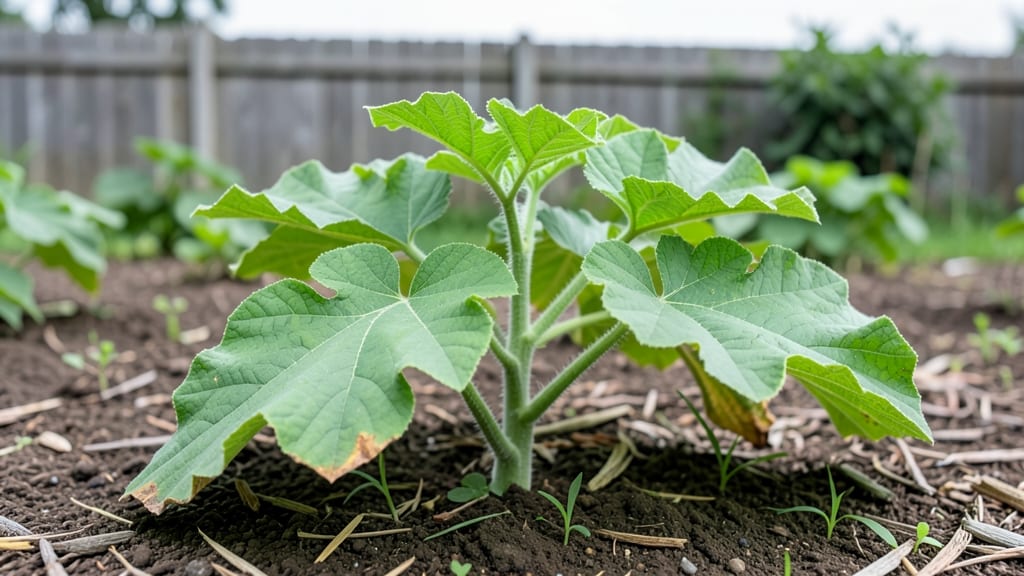
Yellowing pumpkin seedling leaves don’t mean your harvest is doomed—it’s just a signal your plants need a quick tune-up. 🌱 I’ve nursed back dozens of seedlings with the same simple checks, and most problems vanish within days.
The key is spotting the right issue fast: too much water, not enough sun, or a hidden pest attack.
Start by checking the soil—it should feel damp but not soggy. If leaves look limp and yellow, your seedlings might be drowning. Move them to a sunnier spot if they’re stretched thin, and trim any damaged leaves to help the plant focus its energy.
Most fixes take less than 10 minutes and stop the decline before it spreads.
📚 In This Guide
- What you need
- Instructions
- Tips and common mistakes
- Wrapping up and next steps
What you need
- ● Pumpkin seedlings (with yellowing or stunted leaves)
- ● Garden trowel or small hand fork (for gentle soil inspection)
- ● Pruning shears or clean scissors (sterilized with rubbing alcohol)
- ● pH test kit (digital or liquid test strips for soil pH)
- ● Garden gloves (to protect your hands)
- ● Watering can or hose with a gentle spray nozzle
- ● Organic fertilizer (balanced, 10-10-10 or compost tea)
- ● Neem oil or insecticidal soap (for pest control, if needed)
- ● Plastic container or tray (for collecting soil/clippings for testing)
- ● Magnifying glass (to inspect leaves for pests/diseases)
- ● Moisture meter (to check soil hydration levels)
- ● Fungicide (copper-based or baking soda spray) (if fungal issues are suspected)
- ● Epsom salt (magnesium sulfate) (for magnesium deficiency)
- ● Shade cloth or row cover (if seedlings need protection from sun/weather)
- ● Journal or notepad (to track symptoms and treatments)
Quick fixes for pumpkin seedling leaves turning yellow or stunted
Here's how to diagnose and rescue your struggling pumpkin seedlings in minutes.
🌿 Step 1: Check for Overwatering or Poor Drainage
Yellowing leaves often mean your seedlings are sitting in soggy soil. Pumpkin seedlings need well-draining soil—if the top 1-2 inches stays wet for more than a day, roots suffocate. Gently press your finger into the soil: if it feels cold or smells sour, you're overwatering.
Move the seedlings to a warmer, drier spot immediately. If they're in containers, check for drainage holes. No holes? Use a knife to poke 2-3 small holes in the bottom. This prevents waterlogging, which turns leaves yellow and stunts growth within 2-3 days.
💧 Step 2: Adjust Watering Habits for Healthy Growth
Pumpkin seedlings need moisture, but not daily doses. Water only when the top 1 inch of soil feels dry—use your finger to test. Overwatering causes yellowing, while underwatering makes leaves crispy at the edges. I like to water in the morning so excess moisture evaporates by evening.
If you've been watering from above, switch to bottom-watering. Place the pot in a tray of 1 inch of water for 10-15 minutes, then drain. This ensures roots get hydration without drowning the leaves. You'll see leaves perk up within 24-48 hours if the issue was overwatering.
☀️ Step 3: Ensure Proper Light Exposure
Leggy, pale seedlings with yellowing leaves are reaching for light. Pumpkin seedlings need 6-8 hours of direct sunlight daily. If they're stretching toward a window, move them within 12 inches of the brightest spot. South-facing windows work best—north-facing light won't cut it.
If natural light is weak, supplement with a grow light kept 6 inches above the seedlings for 12-14 hours daily. You'll notice leaves darken to a rich green within 3-5 days as they start photosynthesizing properly. Avoid placing seedlings near cold drafts or heat vents, which stress them further.
🌱 Step 4: Fertilize Lightly for Nutrient Boost
Yellowing leaves can signal nitrogen deficiency. Pumpkin seedlings need a gentle nutrient kick, but too much fertilizer burns roots. Mix 1 teaspoon of balanced 10-10-10 fertilizer into 1 gallon of water and apply lightly to the soil—never the leaves. This gives them a quick nutrient boost without overwhelming tender roots.
Wait 5-7 days after adjusting water or light before fertilizing. You'll see new growth within 7-10 days if the yellowing was nutrient-related. Avoid organic fertilizers like manure at this stage—they can scorch seedlings. Stick to a mild, water-soluble formula for best results.
✂️ Step 5: Prune Damaged Leaves to Encourage Recovery
If leaves are already yellow or crispy, don’t wait—they’re draining energy from healthy growth. Use clean scissors to snip off any yellowed or browned leaves at the base of the stem. This might seem harsh, but it redirects the plant’s energy to new, vibrant leaves.
Focus on removing only the damaged parts—never more than 20% of the foliage at once. After pruning, give the seedlings a light misting with water to reduce stress. You’ll often see fresh, green leaves emerging within 3-5 days as the plant recovers its focus on healthy growth.
Tips & tricks for reviving pumpkin seedlings
Here's how to turn those sad, yellowing seedlings into thriving plants in no time.
Soil Test Tip: Before you water again, do a quick soil check with your finger. Push it about 1 inch deep—if it feels damp, wait another day. The top 1-2 inches should feel dry before watering. I've seen seedlings recover completely within 24-48 hours just by adjusting the watering schedule. The key is consistency—don't let them dry out completely, but don't keep them soggy either.
Light Exposure Hack: If your seedlings are stretching toward the light (that's called "legginess"), move them within 12 inches of your brightest window immediately. South-facing windows are your best bet—north-facing light just won't cut it for these hungry plants. For faster results, place a grow light 6 inches above them for 12-14 hours daily. You'll notice leaves darkening to a rich green within 3-5 days as they start photosynthesizing properly.
Fertilizer Timing: Never fertilize stressed seedlings! Wait 5-7 days after adjusting water or light before giving them any nutrients. When you do fertilize, use a mild solution—just 1 teaspoon of 10-10-10 fertilizer mixed into 1 gallon of water. Apply it to the soil, never the leaves, to avoid burning those tender seedlings. You should see new growth within 7-10 days if the yellowing was nutrient-related.
Pruning Strategy: When you're ready to prune those yellowed leaves, don't go overboard—never remove more than 20% of the foliage at once. Use clean scissors and cut at the base of the stem. This might seem counterintuitive, but it actually helps the plant redirect its energy to healthier growth. After pruning, give the seedlings a light misting with water to reduce stress. You'll often see fresh, green leaves emerging within 3-5 days.
Pro Tips for Pumpkin Seedling Leaves
- Here's how to turn those sad, yellowing seedlings into thriving plants in no time.
- Soil Test Tip: Before you water again, do a quick soil check with your finger.
- Light Exposure Hack: If your seedlings are stretching toward the light (that's called "legginess"), move them within 12 inches of your brightest window immediately.
Frequently asked questions
Got questions about pumpkin seedling leaves? You’re not alone!
Here are the most common concerns—and quick fixes—to keep your pumpkin plants thriving.
Why are my pumpkin seedling leaves turning yellow?
Yellowing leaves (chlorosis) often signal nutrient deficiencies, overwatering, or poor drainage. Check soil pH (ideal: 6.0–6.8) and ensure adequate magnesium (Epsom salt spray helps!) or nitrogen. Avoid soggy soil—pumpkins hate "wet feet."
How long do pumpkin seedling leaves take to recover?
With proper care, healthy new growth appears in 3–7 days. Adjust watering, fertilize lightly (balanced 10-10-10), and prune severely damaged leaves. Monitor for pests (like aphids) that worsen stress. Patience pays off—your vines will bounce back!
Can I use coffee grounds to fix yellow leaves?
Yes! Coffee grounds add nitrogen and improve soil structure, but use sparingly (½ cup per plant, mixed into soil). Too much can acidify soil or attract pests. Pair with compost for best results. Pro tip: Brew used grounds, cool, and water seedlings with the liquid for a quick nutrient boost.
Are stunted pumpkin seedling leaves a sign of disease?
Not always! Stunted growth often stems from overcrowding, cool temps (<50°F), or transplant shock. Thin seedlings to 2–3 feet apart, use row covers for frost protection, and ensure full sun (6+ hours/day). Fungal diseases (like powdery mildew) may require neem oil—act fast if leaves develop white spots.
What’s the fastest way to revive wilting pumpkin seedling leaves?
Act fast: Trim wilted leaves, water deeply at soil level (not overhead), and move plants to shade for 24 hours. For heat stress, mist leaves early morning. If roots are mushy (rot), repot with fresh, sterile soil. A foliar spray of seaweed extract can jumpstart recovery.
Still stumped? Snap a photo of your seedlings and compare against common issues (like this troubleshooting guide) for a tailored solution. Happy growing!
Wrapping up and next steps
Caring for pumpkin seedling leaves doesn’t have to be a mystery—with the right tools and knowledge, you can turn around yellowing or stunted growth in no time! 🌱 Whether it’s adjusting watering habits, treating pests, or boosting soil health, small tweaks make a big difference.
Your pumpkins are counting on you!
Ready to see those leaves thrive? Start by checking your seedlings today—pick one issue from this guide and take action before it spreads. Happy gardening, and may your pumpkin patch flourish! 🎃✨