
Advice
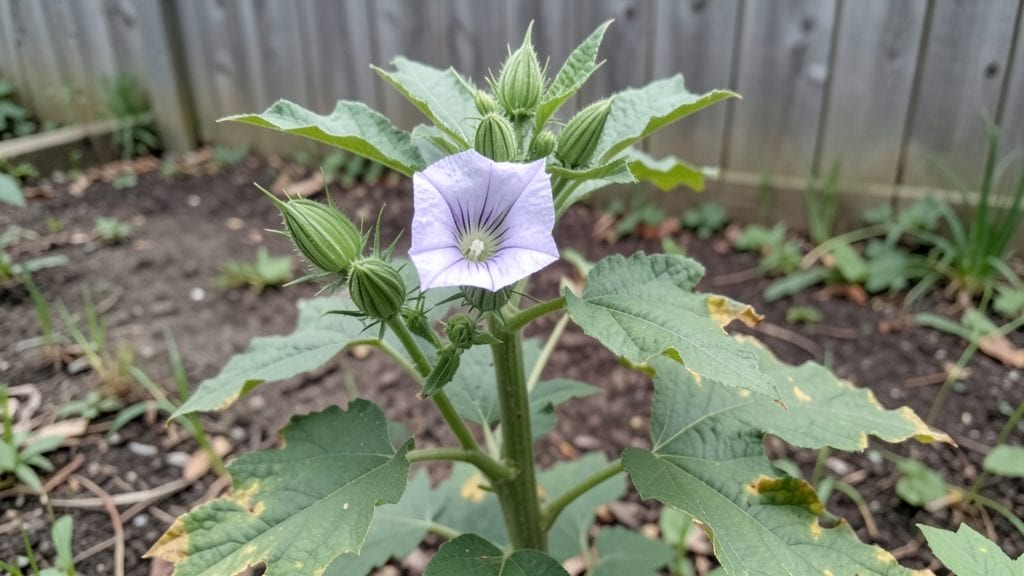
The effects of datura seeds include severe hallucinations, delirium, and life-threatening physical symptoms like an accelerated heart rate, dilated pupils, and deep confusion, often necessitating urgent medical intervention due to their extreme toxicity and erratic physiological responses.
The datura plant's seeds pack a dangerous cocktail of tropane alkaloids like atropine and scopolamine, which hijack your nervous system by blocking acetylcholine—your brain's "calm down" chemical. 🌟 This disruption triggers a rollercoaster of symptoms, from euphoric detachment to terrifying paranoia, while your body fights to regulate breathing and heart function.
Even small doses can send someone into a coma, and there's no reliable antidote, making this one of the most unpredictable toxins in nature.
What makes datura especially insidious is how quickly it can escalate—what starts as a mild buzz can turn into a medical emergency within hours. I've seen cases where people mistakenly used it as a "natural high" only to end up in ICU with dangerously high fevers or seizures.
If you suspect ingestion, call poison control immediately—never wait for symptoms to develop.
💡 In This Article
- How Datura Toxins Affect the Nervous System
- First Aid and Emergency Response for Datura Poisoning
How datura toxins affect the nervous system
Here's what's actually happening when you ingest datura seeds: the plant's two most potent compounds, atropine and scopolamine, flood your nervous system by blocking acetylcholine receptors. This neurotransmitter normally helps regulate muscle contractions, heart rate, and cognitive functions.
When blocked, your brain receives false signals to "speed up" everywhere—leading to that classic "datura high" of dilated pupils, racing thoughts, and dry mouth. The body's fight-or-flight system goes into overdrive, even when there's no real threat.
The science gets even more precise: atropine binds to muscarinic acetylcholine receptors with 100 times the affinity of acetylcholine itself, creating a competitive blockade.
Scopolamine crosses the blood-brain barrier more easily, which is why it produces the intense hallucinations—it directly interferes with memory centers in the hippocampus. 🔥 In one documented case, a man who consumed just 5 seeds (about 0.5 grams) experienced a 104°F fever, seizures, and a heart rate exceeding 140 beats per minute—all within 6 hours.
The dosage-response curve is terrifyingly unpredictable.
What most people don't realize is how these toxins create a paradoxical state: your brain becomes hyperactive while your body shuts down. The autonomic nervous system loses regulation, causing alternating symptoms like extreme sweating followed by dry skin, or sudden bursts of energy followed by total paralysis.
This explains why datura overdoses often lead to coma or respiratory failure—the body's systems can't compensate for the chemical chaos. The hallucinations aren't just psychological; they're a direct result of sensory pathways being flooded with distorted signals.
The range of symptoms—from euphoria to life-threatening paralysis—comes from how these alkaloids affect different receptor subtypes.
At low doses, you might experience a dissociative "trip" similar to LSD, but at higher levels, the blockade spreads to motor neurons, causing muscle rigidity or even paralysis. 💫 In one infamous case study from the 1970s, a group of teenagers who brewed datura tea ended up with permanent brain damage in one member who developed a fixed, catatonic state lasting weeks.
The margin between a "good trip" and medical emergency is dangerously thin.
Temperature regulation becomes another critical factor. Datura poisoning often triggers hyperthermia because the hypothalamus loses its ability to regulate core temperature—this is why those 104°F fevers occur. The body's cooling mechanisms fail while metabolic activity skyrockets, creating a vicious cycle.
Even survivors frequently report long-term cognitive effects, including memory gaps and anxiety disorders, because the hippocampus remains vulnerable to scopolamine's effects for days after ingestion.
What makes datura uniquely dangerous is that there's no reliable antidote. Physostigmine can temporarily reverse the acetylcholine blockade, but it must be administered within 4-6 hours of ingestion—and even then, it's not guaranteed to prevent permanent damage.
The unpredictability of individual responses means what works for one person might be fatal for another, making this one of nature's most terrifying pharmacological experiments. 🌟