
Vegetables
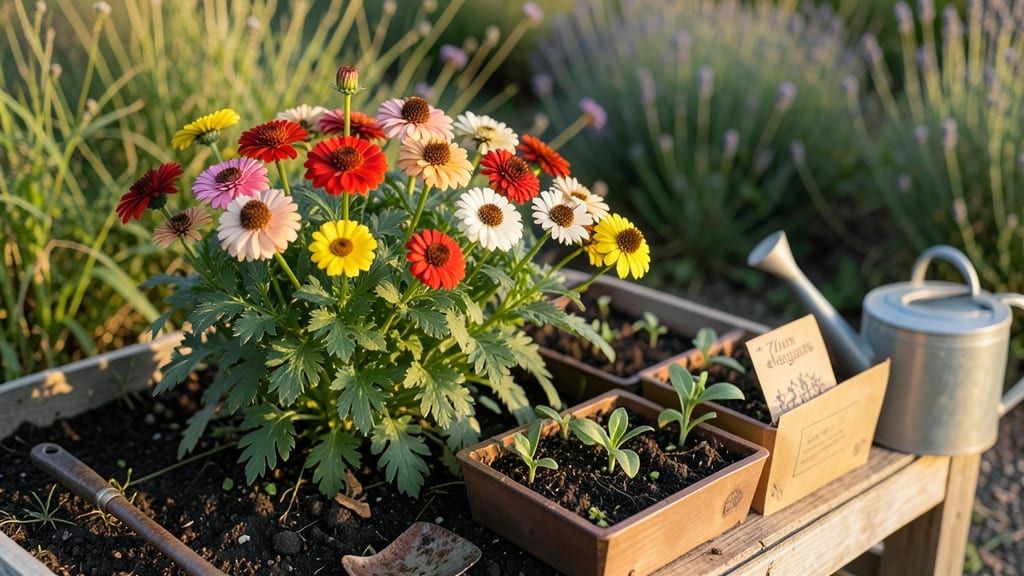
Annual seeds meaning describes plants that grow, flower, produce seeds, and die within a single growing season, unlike perennials or biennials that persist year after year. This one-season life cycle makes them perfect for quick harvests but means replanting each year.
Understanding annual seeds meaning helps gardeners choose the right plants for their seasonal goals.
These fast-growing varieties prioritize rapid reproduction over long-term survival, which is why you often see them blooming or producing edible crops within just a few months. 🌱 For example, tomatoes and marigolds are classic annuals that thrive when planted in spring and provide abundant yields before winter—unlike perennials like asparagus, which store energy underground to regrow year after year.
The trade-off is clear: annuals offer quick results but require more frequent planting and care.
Many gardeners favor annuals because they're ideal for filling seasonal gaps or creating vibrant displays. Their quick growth cycle also means you can experiment with different varieties each year without long-term commitments.
Just remember: while they may seem low-maintenance, annuals often need consistent watering and fertilization to maximize their short-lived productivity.
💡 In This Article
- Life Cycle of Annual Plants vs Perennials
- Best Annual Seeds for Gardens and Containers
Life cycle of annual plants vs perennials
Annual plants have evolved a radical growth strategy: they devote all their energy to rapid reproduction within a single growing season.
This means their life cycle—from seed germination to flowering to seed production—happens in just 60-120 days for fast varieties like lettuce, or up to 180 days for longer-season crops like tomatoes.
The key biological difference lies in their energy allocation: annuals prioritize above-ground growth and seed production over developing deep root systems, unlike perennials that store energy in woody stems or underground tubers.
Here's what happens under the surface: Annual seeds contain 2-5 times more stored energy than perennial seeds to fuel explosive early growth.
For example, a sunflower seed packs enough energy to grow a 10-foot-tall plant in just 90 days, while a perennial like lavender would take years to reach maturity. This rapid growth is possible because annuals skip the energy-intensive process of building perennial structures like bark or extensive root networks.
Instead, they focus on maximizing photosynthesis during their brief window of opportunity.
The trade-off becomes clear when comparing their seasonal adaptation strategies. Annuals thrive in environments with short, unpredictable growing seasons, like deserts or temperate climates, where they complete their life cycle before winter arrives.
Perennials, however, invest energy in developing woody stems or deep taproots that can survive harsh conditions year after year. This is why dandelions (perennials) can regrow from just 1 inch of root, while an annual like basil must be replanted annually from seed.
What most gardeners don't realize is how this affects their planting habits. Annuals require fresh seeds each year because they don't produce viable seeds until their final year, and then they die. This creates a natural cycle where gardeners must replant annually—something perennials like asparagus avoid by storing energy underground.
The bright side? This annual cycle means you can experiment with new varieties each season without long-term commitments.
Consider the example of marigolds: these annuals can produce thousands of seeds in their first year, ensuring genetic continuity without needing to survive multiple seasons. Their rapid growth and prolific seeding make them ideal for pollinator gardens, where they can quickly establish vibrant displays.
In contrast, a perennial like peony would take 3-5 years to reach full flowering potential but would then reward you with decades of blooms.
The biological mechanism behind this difference lies in their genetic programming. Annuals have evolved to prioritize reproductive success over individual survival, while perennials focus on longevity.
This explains why annuals often produce larger, showier flowers than their perennial counterparts—they're investing in attracting pollinators to ensure seed production before they die.
For gardeners, understanding this life cycle difference means planning your planting schedule carefully. Annuals need to be sown at the right time to complete their cycle before frost, while perennials can be planted earlier and will come back year after year.
This biological distinction is what makes annuals perfect for quick harvests and seasonal color displays, while perennials offer long-term landscape stability. 🌱