
Propagation
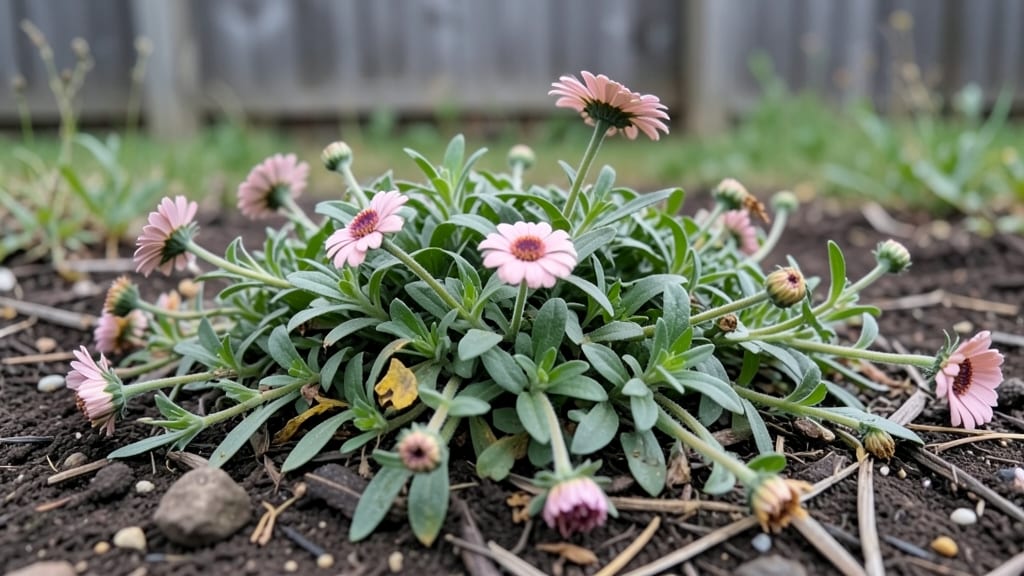
Creeping zinnias from seed can bloom in just 6-8 weeks—faster than you'd expect for a trailing annual. 🌱 I've learned the trick is keeping seeds warm and moist from day one, which is why I now start them in a sunny windowsill rather than a dark basement.
The secret isn't just patience; it's creating the right conditions to break dormancy quickly.
You'll need a shallow tray, well-draining potting mix, and a spray bottle to keep seeds from drying out. Unlike bush zinnias, these spread like a ground cover, so plant them 1/4 inch deep and 12 inches apart—they'll cascade beautifully over containers or fill gaps in garden beds.
The key is consistent moisture without soggy soil, which is where most beginners struggle.
By week three, you'll see those first fuzzy green leaves, and by week six, you'll be pinching back the tips to encourage bushier growth. The trailing stems will start spilling over edges by late summer, creating a sea of daisy-like blooms that last until frost.
The best part? They self-seed like crazy, so next year's garden will have even more volunteers popping up.
Perfect for sun-loving spots, containers, or even hanging baskets—these zinnias thrive where others fail. Once you master the fast germination trick, you'll never buy transplants again. Let's get those seeds sprouting!
📚 In This Guide
- What you need
- Instructions
- Tips and common mistakes
- Wrapping up and next steps
What you need
- ● Creeping zinnia seeds – 1 packet (50-100 seeds per packet)
- ● Seed-starting mix or potting soil – Lightweight, well-draining blend (1-2 bags, 1-2 cubic feet each)
- ● Containers or seed trays – 4-6 inch pots or cell packs (12-24 cells)
- ● Watering can or spray bottle – Fine mist setting for gentle hydration
- ○ Plastic wrap or humidity dome – Optional but helps retain moisture
- ● Grow lights or sunny windowsill – 6-8 hours of light daily (LED grow lights work well)
- ● Garden gloves – For handling soil and seeds comfortably
- ● Small hand trowel – For planting and transplanting
- ● Fertilizer (balanced, 10-10-10 or organic) – Diluted to half-strength for seedlings
- ○ Heat mat (optional) – Speeds up germination (70-75°F ideal)
- ● Hardening-off tray (if transplanting outdoors) – Gradual acclimation for young plants
Step-by-Step instructions for growing creeping zinnia seeds
Here’s how to get those bushy blooms started in record time—no waiting weeks for germination.
🌱 Step 1: Prep Seeds and Soil for Fast Sprouting
Soak the creeping zinnia seeds in lukewarm water for 12 hours before planting. The outer coating slows germination, and this softens it considerably. While they soak, fill your 4-inch pots with 2 gallons of seed-starting mix—this gives roots room to establish without crowding. Press the soil down lightly so it’s firm but not packed.
I like to tap the pots gently on the table to settle the mix evenly. The goal is a surface that’s just firm enough to hold seeds in place when you plant them. Avoid garden soil—it’s too dense and can harbor fungi that’ll rot your tender seedlings.
💧 Step 2: Plant Seeds Shallow and Keep Them Warm
Sow the seeds ¼ inch deep, just barely covering them with soil. Press them in gently—too deep, and they’ll struggle to break through. I use my finger to make tiny dimples, then drop one seed per dimple. Space them 1 inch apart in each pot since creeping zinnias grow low and wide.
Water lightly with a spray bottle until the soil looks damp but not soggy. Place the pots in a seedling heat mat set to 75-80°F—zinnias germinate fastest in warm soil. Cover the pots loosely with plastic wrap to trap moisture, but leave a tiny gap for airflow. Check daily for condensation—if it’s dripping, remove the wrap for an hour to prevent mold.
☀️ Step 3: Provide Bright Light Immediately After Germination
You’ll see sprouts in 5-7 days if conditions are right. The instant they break through, remove the plastic wrap and move them to a south-facing window or under grow lights. Creeping zinnias need 12-14 hours of light daily to stay compact and bushy. If they stretch toward the light (leggy growth), your light source is too far away—adjust it to within 4 inches of the seedlings.
Water from the bottom now—place pots in a tray of ½ inch of water for 10 minutes, then drain. This prevents soil from splashing on delicate leaves, which can spread disease. You’ll know they’re thriving when the first true leaves (not the initial seed leaves) appear—usually in 7-10 days after sprouting.
🌿 Step 4: Thin and Harden Off for Outdoor Success
Once seedlings have 2-3 sets of true leaves, thin to the strongest plant per pot by snipping the others at the base with scissors. This prevents competition for nutrients. Feed them with ½ teaspoon of balanced fertilizer dissolved in water every 2 weeks to encourage bushy growth.
Start hardening off 10 days before your last frost date by placing pots outside in partial shade for 1 hour the first day. Gradually increase time and sun exposure over 7-10 days. Watch for wilting—if it happens, they’re not ready yet. Once they tolerate full sun without stress, transplant to the garden 6 inches apart in well-draining soil. Mulch with 1 inch of compost to retain moisture and deter weeds.
Tips & tricks for perfect creeping zinnia germination
Here’s what I’ve learned to speed up germination and ensure those bushy blooms take hold—trust me, these tricks cut weeks off your wait time.
The Soak Secret: That 12-hour soak in Step 1 is non-negotiable for breaking through the tough seed coating. Use lukewarm water (around 80°F) and place the bowl in a dark cabinet—light can trigger premature sprouting. I like to swish the seeds gently every few hours to prevent them from sticking together. For even faster results, you can soak them overnight (up to 24 hours), but don’t exceed that or they might start to sprout before planting.
Heat Mat Hack: The 75-80°F heat mat in Step 2 is your germination accelerator. If you don’t have one, place pots on top of your fridge (not inside—humidity builds up) or use a heating pad set to low. I’ve seen germination times drop from 10 days to just 5 days with consistent warmth. Pro tip: Check the soil temperature with a thermometer—zinnias love that warm range, and cooler soil slows everything down.
Light Timing: Those 12-14 hours of light in Step 3 are crucial for preventing leggy seedlings. If your south-facing window isn’t bright enough, supplement with a cheap LED grow light on a timer. I position mine just 4 inches above the seedlings and set it for 14 hours daily. Watch for that telltale stretch—if seedlings lean toward the light, they’re begging for more intensity. Rotate pots daily so all sides get even exposure.
Thinning Strategy: When you thin to the strongest seedling in Step 4, don’t toss those extras! Transfer them to separate pots with fresh seed-starting mix. I’ve successfully rescued “weak” seedlings this way—just give them the same care as the originals. The key is to thin early (at 2-3 true leaves) before competition for nutrients becomes fierce. Use clean scissors to avoid spreading disease between plants.
Pro Tips for Creeping Zinnia Seeds
- Here’s what I’ve learned to speed up germination and ensure those bushy blooms take hold—trust me, these tricks cut weeks off your wait time.
- The Soak Secret: That 12-hour soak in Step 1 is non-negotiable for breaking through the tough seed coating.
- Heat Mat Hack: The 75-80°F heat mat in Step 2 is your germination accelerator.
Frequently asked questions
How long does it take for creeping zinnia seeds to germinate?
Creeping zinnia seeds typically sprout within 5–14 days under ideal conditions (warm soil, consistent moisture, and sunlight). For faster results, pre-soak seeds for 24 hours or use a heat mat to keep soil temps between 70–80°F (21–27°C). Patience is key—some seeds may take up to 3 weeks!
Can I plant creeping zinnia seeds too early in the spring?
Yes, but with caution! Creeping zinnias thrive in warm weather and won’t tolerate frost. Start seeds indoors 4–6 weeks before your last frost date or wait until soil temps reach 60°F (15°C) before direct sowing outdoors. A cold snap can stunt germination, so use row covers if needed.
What’s the best way to thin creeping zinnia seedlings?
Thin seedlings to 12–18 inches apart once they have 2–3 true leaves to prevent overcrowding. Use clean scissors to snip (not pull) to avoid disturbing roots. Pro tip: Transplant thinned seedlings to a nearby spot—they’ll often recover and bloom just as beautifully!
Why aren’t my creeping zinnia seeds sprouting?
Several factors could be at play: old seeds (viability drops after 1–2 years), dampness (overwatering causes rot), or cool soil. Try pressing seeds lightly into moist (not soggy) soil, keeping them in bright, indirect light until sprouts appear. If all else fails, test a few seeds on a damp paper towel—if they don’t sprout in 7–10 days, they may be non-viable.
Are there any alternatives to creeping zinnias for fast, low-maintenance blooms?
If you love creeping zinnias’ easy-growing nature, try these low-maintenance annuals:
- Cosmos – Drought-tolerant, self-seeds easily, and blooms nonstop.
- Sunflower ‘Teddy Bear’ – Compact, fast-growing, and great for containers.
- Sweet Alyssum – Thrives in heat, attracts pollinators, and germinates quickly.
- Marigold ‘French’ – Pest-resistant and blooms prolifically with minimal care.
Wrapping up and next steps
Growing creeping zinnia seeds doesn’t have to be a gamble—with the right tricks, you’ll enjoy fast germination and lush, bushy blooms in no time! 🌱 Whether you’re pre-soaking seeds, optimizing soil warmth, or keeping them cozy under lights, these steps set you up for success.
Now that you’re armed with pro tips, grab those seeds and get planting! Next, check out our step-by-step planting guide to turn your sprouts into a vibrant garden showstopper.