Diseases
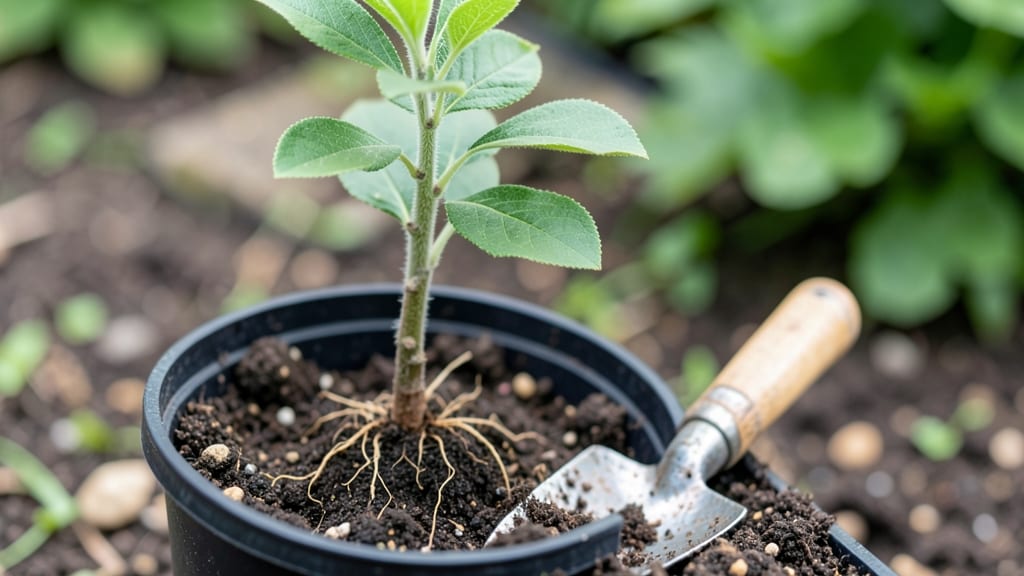
You can grow a plum tree from a plum seed, but expect fruit that's smaller, bitter, and far less predictable than store-bought varieties. The process takes 4-8 weeks just to germinate, with full maturity requiring a decade or more under perfect conditions.
What you're actually growing is a wild-type tree—one that inherits a random mix of traits from both parent trees, rather than the carefully bred genetics of commercial varieties. 🌱 This explains why seed-grown plums often disappoint: they might ripen weeks earlier, develop odd shapes, or lack the sweetness gardeners expect.
Even the tree's hardiness can vary dramatically, making long-term survival less certain than with grafted nursery stock.
That said, the journey itself is rewarding for patient gardeners. Starting with seeds lets you experiment with heirloom varieties or even wild plums, though you'll need to stratify them properly (mimicking winter conditions) and maintain consistent moisture during germination.
The real payoff comes in watching that first true leaf unfurl—proof you've unlocked nature's genetic lottery.
💡 In This Article
- Genetic Variability in Seed-Grown Plum Trees
- Step-by-Step Guide to Germinating Plum Seeds
Genetic variability in seed-grown plum trees
When you grow a plum tree from seed, you're essentially playing genetic roulette. Each seed contains a unique combination of traits from two parent trees—one from the plum's pollen and one from its ovule—creating what's called a heterozygous offspring.
This random mixing explains why seed-grown plums often differ dramatically from their parent varieties in size, sweetness, and even ripening time. For example, a seed from a sweet Santa Rosa plum might produce fruit that's tart, mealy, and ready to harvest three weeks earlier than expected. 🌱
The unpredictability stems from plum trees being self-incompatible—meaning they rarely pollinate themselves. Instead, they rely on cross-pollination from other plum varieties or even wild relatives like cherries or apricots.
This genetic diversity is what creates the "wild-type" trees you might find growing in abandoned orchards, often with fruits that are smaller (1-2 inches in diameter vs. 2-4 inches for commercial varieties) and packed with bitter compounds like amygdalin, which gives them a characteristic almond-like aftertaste.
Nursery-bred plum trees, on the other hand, are cloned through grafting—where a scion (desired variety) is attached to a rootstock with proven hardiness. This ensures consistent fruit quality, disease resistance, and predictable growth patterns.
A grafted Stanley plum, for instance, will reliably produce the same sweet, deep-red fruit year after year, whereas a seed-grown version might bear fruit that's more like its wild ancestor: Prunus americana, with a thin skin and astringent flesh. The trade-off?
Grafted trees mature faster (3-5 years vs. 10-15 years for seed-grown) and produce commercially viable fruit within 2-3 years of planting.
Here's what's actually happening at the cellular level: Plum seeds carry two sets of chromosomes—one from each parent—meaning the resulting tree's traits are a 50/50 genetic lottery.
This is why seed-grown plums often exhibit variable fruit set (some branches bearing fruit while others don't) and uneven ripening (fruits maturing at different times). Even the tree's growth habit can be unpredictable—some seed-grown plums develop into sprawling, multi-trunked shrubs rather than the single-stemmed, upright forms preferred by orchardists. 🌿
For gardeners willing to embrace the experiment, seed-grown plums offer a chance to discover new flavors and forms. The European plum (Prunus domestica) and Japanese plum (Prunus salicina) varieties, when cross-pollinated, can produce hybrid seedlings with intriguing characteristics—like disease resistance or cold hardiness.
However, these traits are purely speculative until the tree matures. That's why serious plum growers often start with seeds to identify promising seedlings, then graft them onto compatible rootstocks to stabilize their genetics.
One often-overlooked factor is the rootstock influence. Even if you successfully grow a plum from seed, its root system will determine how well it adapts to your climate.
Seedlings might inherit roots from a parent tree adapted to USDA Zone 6, making them vulnerable in colder regions (Zone 4 or below) where grafted varieties with hardier rootstocks (like Myrobalan) thrive.
This is why many seed-grown plums fail to survive their first winter—despite appearing healthy during their early years. 🌡️
The bottom line? Seed-grown plums are a fascinating but high-stakes experiment. While they won't replace your grocery store fruit, they can yield unique, heirloom-like varieties that might just become your garden's hidden gem—if you're patient enough to wait a decade or more for the first harvest.
For most gardeners, the real reward lies in the journey: watching a tiny seed transform into a tree that carries the wild, untamed spirit of plum genetics. 💫