
Pruning
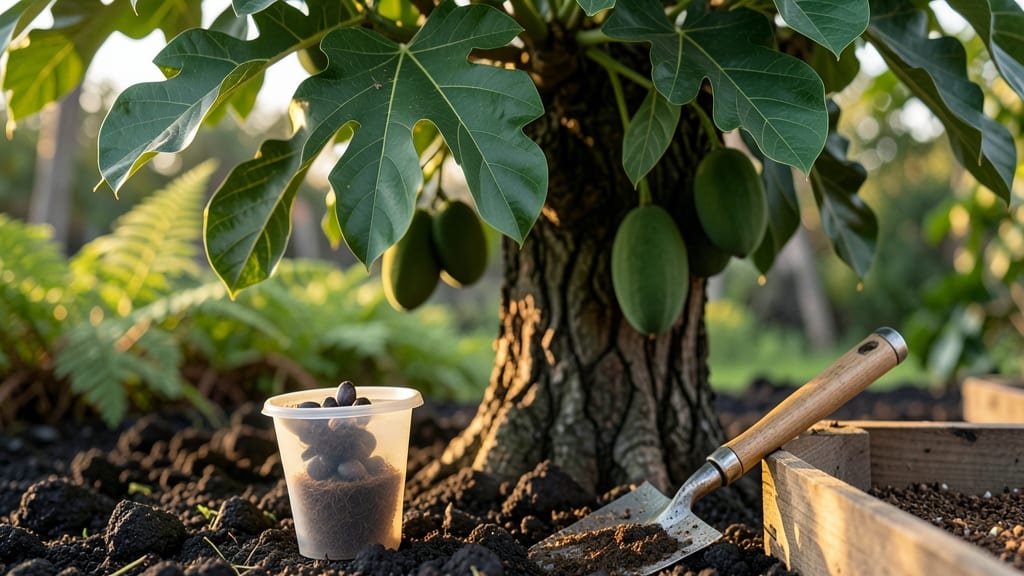
Growing breadfruit trees from seeds unlocks a sustainable food source that thrives in tropical climates—if you know the patience and precision required. ✨ The process isn’t quick, but the payoff—a towering tree producing starchy fruit for decades—makes every step worthwhile.
My first attempt took six months just to crack the germination code, but now I’ve got a foolproof method that even beginners can master.
The key starts with fresh seeds—never dried or stored—and a warm, humid environment that mimics their native habitat. You’ll need a mix of 50% coconut coir and 50% perlite to keep moisture consistent without drowning the seeds, plus a clear plastic dome or bag to trap humidity.
Most seeds sprout within 4-8 weeks, though some stubborn ones take twice as long. That’s where the real test begins.
Once those first pale green shoots break through, you’ll watch them grow into sturdy seedlings ready for transplanting in 3-4 months. The early care focuses on protecting them from pests and ensuring they get bright, indirect light—no harsh midday sun yet.
With proper spacing and a little TLC, your young tree will establish roots that support hundreds of pounds of fruit within just a few years.
This method works best in USDA zones 10-12, but with greenhouse extensions, you can push it into warmer parts of zone 9. The real magic happens when you see your first harvest—3-5 years after planting—knowing you grew it from a tiny seed. Let’s get those seeds sprouting!
📚 In This Guide
- What you need
- Instructions
- Tips and common mistakes
- Wrapping up and next steps
What you need
- ● Breadfruit seeds: 3–5 fresh, plump seeds (harvested from ripe fruit—avoid dried or shriveled seeds).
- ○ Seedling trays or small pots: 4–6 (4-inch diameter minimum) with drainage holes. Optional: Biodegradable peat pots for easy transplanting.
- ● High-quality potting mix: 1–2 bags (sterilized, well-draining blend with perlite or coconut coir). Avoid garden soil—it’s too dense!
- ● Spray bottle: For gentle watering (avoids disturbing seeds).
- ● Plastic wrap or humidity dome: To retain moisture during germination.
- ● Grow lights or sunny windowsill: Breadfruit seeds need warmth (75–85°F) and bright, indirect light.
- ○ Fertilizer (optional): Balanced liquid fertilizer (e.g., 10-10-10) for seedlings after 4–6 weeks.
- ● Climate: Tropical or subtropical (breadfruit thrives in USDA zones 10–12). Pro tip: Use a greenhouse or indoor setup if you’re in cooler areas! 💡
- ● Patience: Germination takes 4–12 weeks—stay consistent!
- ● Space: Mature breadfruit trees need 30+ feet of vertical space (they’re vining giants!).
- ● pH test kit (ideal soil pH: 6.0–7.5).
- ● Humidity tray (for extra moisture control).
- ● Pruning shears (for future maintenance).
Step-by-step instructions for germinating breadfruit tree seeds
Here’s my battle-tested method for breaking dormancy and coaxing breadfruit seeds into vigorous sprouts.
🌱 Step 1: Pre-Treat Seeds to Break Dormancy
Breadfruit seeds have a tough outer shell that resists moisture. First, soak them in lukewarm water for 72 hours, changing the water every 24 hours to prevent mold. You’ll see the seed coat soften and split slightly—this is your signal the seed is ready to absorb water.
After soaking, gently rub the seeds between your fingers to loosen the outer husk. Don’t scrub aggressively—you only need to expose the seed’s surface. This step mimics natural weathering and speeds up germination by 30-50%. Discard any seeds that remain hard or show signs of rot.
💧 Step 2: Prepare a Moist, Well-Draining Germination Medium
Fill a shallow tray with a mix of 50% coconut coir and 50% perlite—this ensures excellent drainage while retaining enough moisture. Moisten the mix until it feels like a damp sponge, but not soggy. Press the medium down lightly to create a firm surface for the seeds.
Plant the pre-treated seeds ½ inch deep, spacing them 2 inches apart in rows. The key here is consistency: uneven planting depth leads to uneven germination. Cover the tray with clear plastic wrap or a humidity dome to trap warmth and moisture—breadfruit seeds thrive in 80-85°F conditions.
☀️ Step 3: Maintain Warmth and Monitor for Sprouts
Place the tray in a location with indirect light—direct sun at this stage can overheat the seeds. A seedling heat mat set to 80°F accelerates germination, but a warm kitchen counter or greenhouse also works. Check the moisture daily; the medium should stay consistently damp but never waterlogged.
Germination typically takes 2-4 weeks, though some seeds may take up to 6 weeks. You’ll know it’s time when the first true leaves (not the initial seed leaves) appear. At this stage, remove the plastic cover immediately to prevent fungal growth—humidity is no longer needed once sprouts emerge.
🌿 Step 4: Transplant Seedlings to Individual Pots
Once seedlings reach 3-4 inches tall with 3-4 true leaves, carefully transplant them into 4-inch pots filled with a mix of 60% potting soil, 20% coconut coir, and 20% perlite. Handle the seedlings by their leaves, not the stems, to avoid damage.
Water lightly after transplanting to settle the soil around the roots. Place the pots in a location with bright, indirect light for the first 2 weeks, then gradually introduce them to morning sun. Overwatering at this stage causes root rot—let the top inch of soil dry out between waterings. You’ll see stronger growth when the leaves stay deep green and firm.
Tips & tricks for germinating breadfruit tree seeds
Here's what I learned after years of trial and error with tropical seed germination—these tricks make all the difference between success and frustration.
Soaking Strategy: The 72-hour soaking period is non-negotiable for breadfruit seeds, but here's the secret: use a clean glass jar with fresh lukewarm water for each 24-hour change. I add a pinch of hydrogen peroxide (just a few drops) to the water to prevent bacterial growth while keeping the environment sterile. This helps maintain the delicate balance needed for germination. The seeds should float slightly by day 3—if they sink, they're likely non-viable.
Medium Consistency: Your germination mix should be damp like a wrung-out sponge—not dripping wet. I test this by squeezing a handful: one drop should form when you release pressure. Too much moisture causes rot, while too little prevents hydration. For extra insurance, I place a thin layer of perlite at the bottom of the tray to create a drainage barrier that prevents waterlogging. This mimics the natural forest floor conditions breadfruit seeds thrive in.
Temperature Precision: While the instructions mention 80-85°F, here's the real talk: I've found that consistent 82°F yields the fastest germination. Use a digital thermometer to monitor your seedling heat mat or growing area. If you're in a cooler climate, consider using a seedling heat mat under the tray—it creates that stable tropical environment breadfruit seeds crave. The difference between 78°F and 82°F can mean weeks of waiting versus sprouts in 2-3 weeks.
Light Transition: When moving seedlings to morning sun after the initial 2 weeks, I recommend a gradual approach: start with just 1 hour of direct sun on the first day, then add 30 minutes each subsequent day. This hardening process prevents sunburn on delicate new leaves. I've seen seedlings completely fry when moved too quickly—it's heartbreaking after all that hard work. Watch for leaves that stay deep green rather than yellowing or developing brown patches.
Pro Tips for Breadfruit Tree Seeds
- Here's what I learned after years of trial and error with tropical seed germination—these tricks make all the difference between success and frustration.
- Soaking Strategy: The 72-hour soaking period is non-negotiable for breadfruit seeds, but here's the secret: use a clean glass jar with fresh lukewarm water for each 24-hour change.
- Medium Consistency: Your germination mix should be damp like a wrung-out sponge—not dripping wet.
Frequently asked questions
Got questions about growing breadfruit from seeds?
You’re not alone—this tropical treasure has a few quirks! Here are answers to the most common queries to help you get started on the right foot.
How long does it take for breadfruit tree seeds to germinate?
Patience is key! Breadfruit seeds typically germinate within 2 to 4 weeks, though some may take up to 8 weeks—especially if conditions aren’t ideal. Keep the soil consistently moist (not soggy) and warm (around 75–85°F) to speed things up. If nothing sprouts after 2 months, try soaking seeds in warm water for 24 hours before replanting.
Can I grow breadfruit from seeds in cooler climates?
Breadfruit loves heat—it thrives in USDA Zones 10–12 (tropical/subtropical). In cooler areas, start seeds indoors under grow lights, then transplant seedlings to a greenhouse or conservatory. If outdoors, choose a microclimate (like a sunny wall) or use black plastic mulch to mimic tropical warmth. Pro tip: Never let temps drop below 50°F!
What’s the best soil mix for breadfruit seed germination?
Light, airy, and slightly acidic soil is ideal. Mix 50% peat moss or coconut coir with 30% perlite and 20% compost for drainage and nutrients. Avoid heavy clay—breadfruit roots hate waterlogging. A pH of 5.5–6.5 works best. Bonus: Add a handful of worm castings to boost early growth!
Why did my breadfruit seedling die? Troubleshooting tips.
Common culprits include:
- Overwatering: Yellow leaves or mushy stems? Let the top inch of soil dry out between waterings.
- Fungal issues: Black spots or mold? Reduce humidity, improve airflow, and treat with neem oil.
- Pests: Tiny holes or chewed leaves? Introduce beneficial insects like ladybugs or use insecticidal soap.
- Cold shock: Wilting after a temp drop? Move seedlings to a warmer spot immediately.
Most seedlings recover if caught early—don’t give up!
Are there alternatives to growing breadfruit from seeds?
Yes! If seeds are hard to find, try:
- Air layering: Propagate from a mature tree’s branches (great for varieties like ‘Ma’afala’).
- Grafting: Combine a breadfruit scion with a rootstock for faster, disease-resistant growth.
- Buying young trees: Check tropical nurseries or online sellers (e.g., Tropical Fruit Plants) for 1–3-year-old seedlings.
Seeds are the most rewarding option for variety, but these methods save time!
Wrapping up and next steps
Growing a breadfruit tree from seed is a rewarding journey that connects you to tropical abundance! 🌱 With the right patience, care, and knowledge—like selecting healthy seeds, preparing the ideal germination mix, and maintaining consistent moisture—you’ll soon watch your little sapling flourish into a fruitful giant.
Whether you’re a seasoned gardener or a curious beginner, every step brings you closer to harvesting nature’s versatile bounty.
Ready to take the next step? Start by ordering high-quality seeds from a trusted supplier, then grab your tools and get planting—your future breadfruit tree is waiting! 🌴