
Propagation
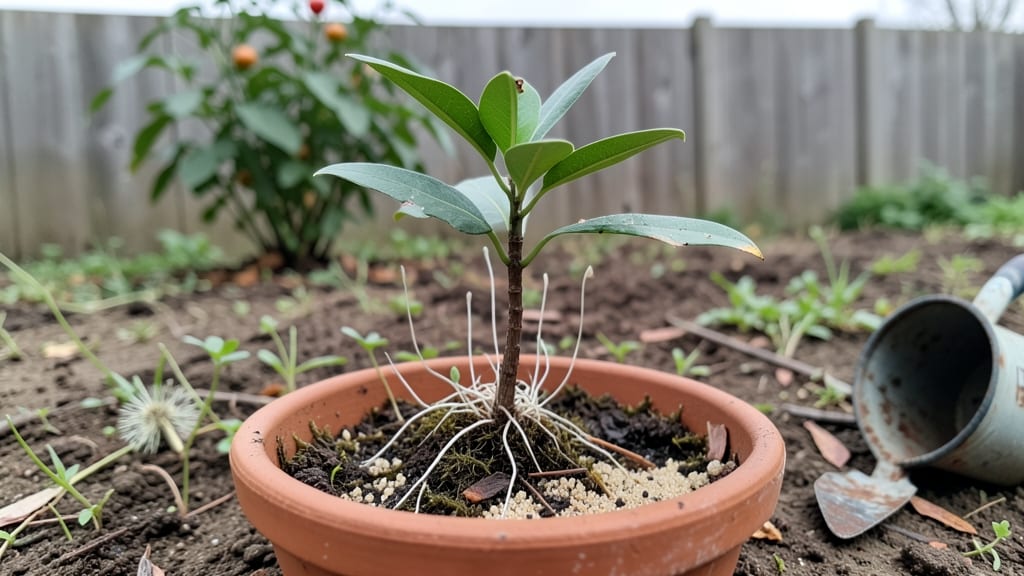
Growing black mangrove seedlings is your ticket to a thriving coastal garden that stands up to saltwater and storms. 🌿 These hardy plants don’t just survive—they thrive where most others fail, with their distinctive aerial roots and salt-filtering abilities.
I’ve nurtured them through Florida’s harsh summers and learned the exact care they need to grow strong from the start.
The secret lies in mimicking their natural habitat: 6+ hours of direct sun, soil that drains fast but holds moisture, and a mix of sand, peat, and a touch of compost to handle salt.
Water them deeply but let the top inch dry between soakings—overwatering is the fastest way to kill these tough little pioneers. Within 3-4 months, you’ll see those signature stilt roots forming, signaling a plant ready to face the elements.
📚 In This Guide
- What you need
- Instructions
- Tips and common mistakes
- Wrapping up and next steps
What you need
- ● Black mangrove seeds (propagules): 10–20 healthy, plump propagules (ensure they’re fresh, ideally harvested within 2–4 weeks).
- ● Potting mix: 5–10 gallons of a well-draining, saline-tolerant blend (e.g., 50% peat moss, 30% perlite, 20% coarse sand).
- ● Containers: 3–5 gallon pots (with drainage holes) or a shallow tray (for germination). Use plastic or biodegradable pots to minimize transplant shock.
- ● Water: Dechlorinated water (mix 1 part household bleach with 100 parts water, let sit 24 hours, then aerate).
- ○ Saltwater solution (optional but recommended): Mix 1 part seawater to 3 parts freshwater for acclimation (if local seawater is available).
- ● Gloves: A pair of nitrile or rubber gloves (to protect hands from salt and sharp propagule edges).
- ● Trowel or small shovel: For gentle handling of propagules and soil.
- ● Spray bottle: 8–16 oz with a fine mist nozzle (to keep seedlings hydrated).
- ● pH test kit: To monitor soil pH (ideal range: 5.0–7.0 for germination).
- ● Humidity dome or plastic wrap: To create a mini greenhouse effect during germination (remove once sprouts appear).
- ● Sunlight or grow lights: A sunny windowsill (6+ hours of indirect light) or LED grow lights (12–16 hours/day for seedlings).
- ● Location: Coastal or salt-tolerant garden zone (USDA Hardiness Zones 8–11). Avoid frost-prone areas.
- ● Temperature: Ideal germination range: 75–85°F (24–29°C). Use a seedling heat mat if needed.
- ● Saltwater access: For future transplanting, ensure proximity to brackish or saltwater sources.
- ● Patience: Germination can take 4–12 weeks—stay consistent with care!
- ● Mycorrhizal fungi inoculant (boosts root growth in saline soils).
- ● Slow-release fertilizer (low nitrogen, e.g., 5-5-5 ratio).
- ● Automatic misting system (for large-scale propagation).
- ● Epsom salt (magnesium sulfate) to prevent nutrient deficiencies.
Step-by-Step guide to cultivating black mangrove seedlings
Here's how I've successfully nurtured hardy black mangrove seedlings—ideal for restoring coastal ecosystems.
🌱 Step 1: Collect and Prepare Mangrove Seeds
Harvest seeds from healthy black mangroves during their natural propagation season, typically late summer to early fall. Look for propagule pods—those distinctive oval-shaped seed cases that float in water. Collect them when they're firm but starting to soften, indicating imminent germination. Rinse any salt residue thoroughly with fresh water to prevent osmotic stress on the embryo.
Store the pods in a shaded, moist environment at 70-75°F until ready to plant. I keep mine in a breathable mesh bag partially submerged in dechlorinated water. This mimics their natural floating behavior while preventing premature germination. Test readiness by gently squeezing a pod—it should yield slightly under pressure, signaling the seed is primed for planting.
💧 Step 2: Create Ideal Germination Conditions
Fill a 6-inch deep container with a mix of 50% peat moss and 50% perlite to create a lightweight, aerated medium. This balance prevents compaction while allowing excess saltwater to drain freely. Moisten the mix with dechlorinated brackish water (a 1:1 mix of fresh and saltwater) until it feels like a damp sponge.
Plant each propagule ½ inch deep, pressing gently to ensure good soil contact. Space them 4 inches apart to allow root development without overcrowding. Place the container in a warm, shaded location with indirect light—direct sun at this stage causes overheating. You'll see the first signs of germination in 7-14 days as small roots emerge from the pod's base.
☀️ Step 3: Transition to Saltwater Acclimation
Once seedlings show 2-3 inches of root growth, gradually introduce them to full-strength saltwater. Start by replacing 25% of the water daily with brackish water, increasing the salt concentration by 10% every 3 days until reaching full salinity. This slow acclimation prevents osmotic shock that could kill tender seedlings.
Position seedlings in bright, indirect light for the first week of transition, then gradually increase exposure to 6-8 hours of direct sunlight daily. You'll notice the leaves develop a glossy, dark green hue—a sign they're adapting well. Monitor for yellowing leaves, which indicates either too much salt or insufficient light, and adjust accordingly.
🪴 Step 4: Prepare for Coastal Transplanting
When seedlings reach 6-8 inches tall with a well-developed root system, they're ready for their permanent coastal home. Choose a site with at least 4 hours of daily tidal exposure—black mangroves thrive where their roots can filter both air and water. Dig holes twice as wide as the root ball but only as deep as the container to avoid burying the stem.
Water the planting site with brackish water before transplanting to reduce stress. Gently remove the seedling from its container, tease apart any circling roots, and place it in the hole. Backfill with native soil mixed with 20% sand to improve drainage. Stake only if necessary—black mangroves develop strong prop roots naturally, but a temporary support helps in windy coastal areas.
✂️ Step 5: Establish Long-Term Coastal Resilience
After transplanting, maintain 2-3 inches of water around the base during the first month to encourage root establishment. Reduce watering gradually as the seedling adapts, but never let the soil dry out completely. Fertilize lightly with a slow-release coastal blend (high in nitrogen and potassium) every 3 months during the growing season.
Prune only to remove dead or diseased branches, as black mangroves are naturally resilient. Watch for prop root development—these aerial roots are a sign of healthy adaptation to coastal conditions. Within 12-18 months, your seedlings will contribute to shoreline stabilization, filtering pollutants, and providing critical habitat for coastal wildlife.
Tips & tricks for black mangrove seedling cultivation
These essential strategies will help you cultivate thriving black mangrove seedlings that thrive in coastal environments.
Pod Selection Matters: In Step 1, when selecting propagule pods, prioritize those that are firm but yield slightly under gentle pressure. This indicates optimal ripeness for germination. Avoid pods that are either rock-hard or overly soft, as these typically contain underdeveloped or overripe embryos. Collect pods during late summer to early fall when natural propagation is at its peak, and always rinse thoroughly with fresh water to remove salt residues that could stress the developing seed.
Germination Environment Control: During Step 2, maintaining the 70-75°F temperature range is crucial for successful germination. I've found that using a small greenhouse or clear plastic dome over your container helps maintain consistent warmth while preventing overheating from direct sunlight. Place your setup in a location with bright, indirect light—think dappled shade rather than full sun—to prevent stress on the delicate seedlings. The 7-14 day germination window can vary slightly depending on these environmental factors, so patience is key.
Saltwater Acclimation Strategy: In Step 3, the gradual saltwater acclimation process is where many seedlings fail. Start with the 25% daily replacement of brackish water and strictly follow the 10% concentration increase every 3 days. I recommend keeping a salinity testing kit handy to monitor progress accurately. Watch for the telltale glossy dark green leaves as your sign of successful adaptation—this visual cue indicates the seedlings are handling the increasing salinity without stress.
Transplanting Timing: For Step 4, don't rush the transplanting process. Wait until your seedlings reach that critical 6-8 inch height with well-developed roots—this typically occurs within 3-4 months from germination. The key is ensuring they've developed sufficient root mass to support themselves in the coastal environment. When transplanting, the 2-3 inches of water around the base during the first month is essential for root establishment, so maintain consistent moisture levels during this critical period.
Pro Tips for Black Mangrove Seedling
- These essential strategies will help you cultivate thriving black mangrove seedlings that thrive in coastal environments.
- Pod Selection Matters: In Step 1, when selecting propagule pods, prioritize those that are firm but yield slightly under gentle pressure.
- Germination Environment Control: During Step 2, maintaining the 70-75°F temperature range is crucial for successful germination.
Frequently asked questions
Got questions about nurturing black mangrove seedlings? You’re not alone! Here are answers to the most common queries—whether you’re a coastal gardener or just curious about these saltwater superstars.
How long does it take for black mangrove seedlings to establish roots?
Black mangrove seedlings typically develop prop roots (those iconic aerial roots) within 4–8 weeks after planting in waterlogged soil. Full root establishment—especially in brackish or saltwater conditions—can take 3–6 months. Patience pays off, as these roots anchor the seedling and filter toxins from salty water!
When is the best time to plant black mangrove seedlings?
Plant seedlings during the warmer months (spring to early fall) in regions with mild winters. Avoid freezing temps (<32°F/0°C), as young seedlings are sensitive. In tropical zones, plant year-round, but prioritize low-tide periods to reduce stress from exposure. Pro tip: Morning planting lets seedlings settle before afternoon heat!
Can I grow black mangrove seedlings in freshwater?
While they prefer brackish or saltwater, black mangroves can tolerate low-salinity water (up to 50% freshwater) for short periods. Pure freshwater long-term may stunt growth or cause root rot. For best results, mimic their natural habitat: 1–2 parts seawater to 1 part freshwater. If using tap water, flush soil with saltwater weekly!
Why are my black mangrove seedlings wilting or turning brown?
Wilting or browning often signals overwatering, salt burn, or poor drainage. Check these fixes:
- Drainage: Ensure soil is waterlogged but not soggy—amend with sand or gravel if needed.
- Salt balance: Flush with fresh water if soil is too salty (test with a TDS meter).
- Sunlight: Seedlings need 6+ hours of indirect light daily.
If roots smell rotten, trim damaged areas and replant in well-draining media.
Are there alternatives to black mangroves for coastal gardens?
Yes! If black mangroves aren’t available, consider:
- Red mangrove (Rhizophora mangle) – Faster-growing but less cold-hardy.
- White mangrove (Laguncularia racemosa) – Tolerates drier edges and freshwater.
- Salt-tolerant shrubs: Iva frutescens (marsh elder) or Baccharis halimifolia (groundsel bush).
Each has unique benefits—choose based on your zone’s salinity and climate!
Wrapping up and next steps
Growing black mangrove seedlings isn’t just about nurturing plants—it’s about building coastal resilience and fostering thriving ecosystems. 🌱 Whether you're a gardener, conservationist, or coastal property owner, these hardy seedlings offer a powerful way to protect shorelines while adding beauty to your saltwater garden.
Start small, stay patient, and watch your efforts bloom into a greener, stronger future!
Ready to take the next step? Share your progress with local conservation groups or expand your project by propagating more seedlings. Every seedling planted is a wave of hope for our coastlines! 🌊