
Pruning
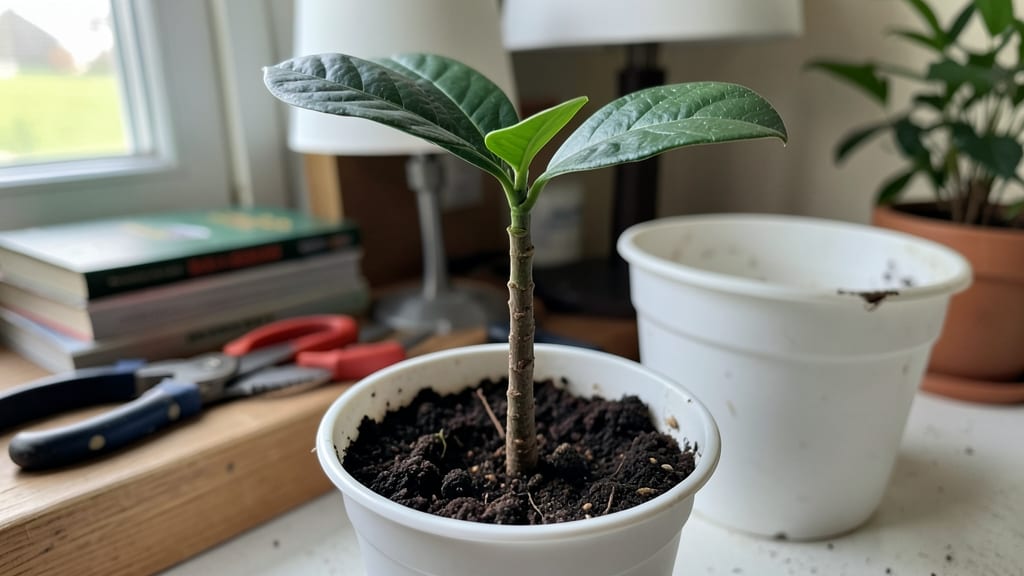
Pruning an avocado seedling isn’t just about shaping—it’s how you build a thicker trunk and stronger branches from day one. 🌱 I learned this the hard way when my first seedling grew leggy and weak, but after a few strategic cuts, it transformed into a sturdy plant.
The key is timing: prune when the seedling is young and still flexible, before it wastes energy on weak growth.
You’ll need just three simple tools: sharp pruning shears, rubbing alcohol for sterilizing, and a small container of cinnamon powder (to prevent infections). The process takes less than 10 minutes, and the results—like a thicker trunk and more compact shape—show up within weeks.
Most beginners over-prune, but avocado seedlings thrive with minimal cuts when done right.
By the end, you’ll have a seedling that’s less prone to breaking and better able to support fruit later on. The cuts encourage new growth at the base, creating a bushier plant that’s easier to care for.
Think of it as giving your seedling a strong foundation before it even hits its first growing season.
This method works for indoor or outdoor seedlings, whether you’re growing in pots or the ground. The same principles apply—just adjust the timing based on your climate. Let’s get those shears ready and turn that weakling into a powerhouse.
📚 In This Guide
- What you need
- Instructions
- Tips and common mistakes
- Wrapping up and next steps
What you need
- ● Sharp bypass pruners – Must be clean and sterilized (avoid dull blades to prevent tearing).
- ● Garden shears or hand pruners – For smaller branches (if bypass pruners aren’t available).
- ● Rubbing alcohol (70% or higher) – 1 small bottle to sterilize tools between cuts.
- ○ Horticultural sealant (optional but helpful) – 1 small tube (like pruning wax) to protect large cuts.
- ● Gloves (nitrile or gardening gloves) – 1 pair to protect hands from sap and sharp edges.
- ● Disposable paper towels or cloth – 1 roll or stack for cleaning tools and wiping sap.
- ● Sharp pencil or marker – 1 to mark cuts before pruning.
- ● Bucket or trash bag – 1 small container to collect pruned branches.
- ● Loppers – For thicker branches (if your seedling grows unexpectedly sturdy).
- ● Pruning saw – Only if dealing with very thick wood (rare for seedlings).
- ○ Plant growth regulator (optional) – Follow label instructions if using to encourage trunk thickening.
- ● Spray bottle with water – To mist cuts and reduce stress on the plant.
Step-by-Step guide to pruning avocado seedlings
Here's how to shape your young avocado tree for a sturdy trunk and lush canopy.
🌱 Step 1: Identify and Remove Weak Growth
Start by examining your seedling for any stems that are thinner than a pencil or growing at sharp angles from the main trunk. These weak shoots compete for nutrients and won't contribute to the tree's strength. Use your pruning shears to cut them back to the main stem at a 45-degree angle, about ¼ inch above a leaf node. This angled cut prevents water from pooling and causing rot.
Look for any branches growing directly inward toward the center of the plant—they'll rub against each other as they grow and create wounds. Remove these as well. The goal here is to create an open center that allows sunlight to reach all parts of the tree. You'll know you're doing it right when you can see light filtering through to the inner branches.
✂️ Step 2: Prune for a Strong Central Leader
Avocado seedlings develop a central leader—the main upward-growing stem—that should be the strongest part of your tree. If you have multiple stems competing to be the leader, select the straightest, thickest one and remove the others at their base. Make your cuts clean and just above the soil line for side branches, or at the trunk's base for competing leaders.
If your seedling has a single leader but it's growing crooked, you can guide it by tying it to a small stake with soft plant tape. This prevents the stem from bending permanently. Avoid using wire or anything that could damage the tender bark. The key is to encourage vertical growth while maintaining balance—your tree should look like it's reaching for the sky without toppling over.
🌿 Step 3: Thin and Shape the Canopy
Once your seedling has developed several branches, focus on thinning rather than just cutting back. Remove every third or fourth leaf along each branch to improve airflow and reduce disease risk. This also encourages the remaining leaves to grow larger and healthier. Use your fingers to gently pinch off smaller shoots rather than cutting them—this is less stressful for the plant.
Shape the canopy by pruning branches that cross or grow inward. Aim for a rounded, open shape that allows sunlight to reach the lower branches. Prune just above a leaf node where new growth will emerge. Avoid cutting into old wood—new avocado growth is green and flexible, while old wood is brown and woody. You'll know you're pruning correctly when the tree starts to fill out with evenly spaced branches.
⏰ Step 4: Clean Up and Monitor Growth
After pruning, sterilize your shears with rubbing alcohol to prevent spreading disease between cuts. Remove all pruned material from the area—don't leave clippings on the ground where they can harbor pests. Water your seedling deeply after pruning to help it recover, but avoid overwatering, which can stress the plant.
Watch your avocado seedling over the next few weeks. You should see new growth emerging from the leaf nodes where you made cuts. This is a sign that your pruning was successful. If you notice any yellowing leaves or wilting, reduce watering slightly—avocado seedlings are prone to root rot if kept too wet. The goal is to encourage a strong, balanced tree that will bear fruit for years to come.
Tips & tricks for pruning avocado seedlings
Here's what nobody tells you about transforming a scraggly seedling into a sturdy, fruit-bearing tree.
Timing is Everything: Prune your avocado seedling during its active growing season—spring or early summer—when it's producing new growth. Avoid heavy pruning in fall or winter when the tree is dormant, as this can stress the plant and leave it vulnerable to disease. I've seen seedlings recover beautifully from spring pruning but struggle when pruned too late in the season.
The Technique That Changed Everything: When making your 45-degree angled cuts in Step 1, imagine you're cutting a slice of pizza—just above a leaf node and angled away from the branch. This technique directs water away from the cut and promotes faster healing. For thicker branches, make a second cut just above the first to prevent tearing. Always use sharp, sterilized shears to make clean cuts that heal faster and reduce disease risk.
Canopy Care: In Step 3, don't be afraid to be aggressive with thinning—remove up to 30% of the foliage if needed to improve airflow. I learned this the hard way after watching a heavily shaded canopy develop fungal issues. Aim for a rounded shape with branches spaced about 6-8 inches apart. This spacing allows sunlight to reach all parts of the tree while maintaining a balanced structure.
Post-Pruning Recovery: After your final cleanup in Step 4, give your seedling a balanced fertilizer (10-10-10 ratio) to support new growth. I've found that seedlings recover faster when fertilized within 7-10 days after pruning. Water deeply but infrequently—avocado seedlings prefer their soil to dry out slightly between waterings to prevent root rot, especially after pruning when they're most vulnerable.
Pro Tips for Pruning An Avocado Seedling
- Here's what nobody tells you about transforming a scraggly seedling into a sturdy, fruit-bearing tree.
- Timing is Everything: Prune your avocado seedling during its active growing season—spring or early summer—when it's producing new growth.
- The Technique That Changed Everything: When making your 45-degree angled cuts in Step 1, imagine you're cutting a slice of pizza—just above a leaf node and angled away from the branch.
Frequently asked questions
Got questions about pruning your avocado seedling? You’re not alone! Here are some of the most common concerns—and straightforward answers to help you grow a sturdy, healthy tree.
When is the best time to prune an avocado seedling?
Prune your avocado seedling when it’s young (3–6 months old) to encourage a thicker trunk and stronger structure. Focus on the first few pruning sessions in early spring or after the seedling has sprouted new leaves. Avoid heavy pruning in late fall or winter, as growth slows down during colder months.
How much should I cut off during the first pruning?
For the first pruning, aim to remove about one-third of the top growth—just above a leaf node or branch. This redirects energy to the main stem, promoting trunk thickness. Avoid cutting too aggressively; think of it as a gentle nudge, not a drastic haircut!
What if my avocado seedling doesn’t have leaves after pruning?
Don’t panic! Avocado seedlings may take 2–4 weeks to regrow leaves after pruning. Ensure it’s in bright, indirect light and keep the soil moist (but not soggy). If no new growth appears after 6 weeks, check for root rot or pests, or consider replanting the seed if needed.
How often should I prune an avocado seedling?
Prune young seedlings every 3–6 months during their first year to shape the trunk and encourage branching. Once established (after 1–2 years), reduce pruning to once a year in early spring. Focus on removing dead, weak, or crossing branches to maintain airflow and health.
Can I skip pruning my avocado seedling?
You can, but pruning helps prevent leggy growth and weak trunks. Without it, seedlings may grow tall and thin, making them prone to falling over or producing fewer fruits later. Think of pruning as a preventative measure—like giving your tree a strong foundation for years to come!
Wrapping up and next steps
Pruning your avocado seedling isn’t just about shaping—it’s about setting the foundation for a healthier, more resilient tree. 🌱 By following these three key steps, you’ll encourage a thicker trunk, stronger branches, and a bountiful harvest down the road.
Now that you’re armed with the right tools and techniques, there’s no better time to roll up your sleeves and give your little sapling the care it deserves!
Ready to take the next step? Start small—pick a sunny day, gather your tools, and begin pruning with confidence. And remember: every trim is a step toward a thriving avocado tree in your backyard!