Featured
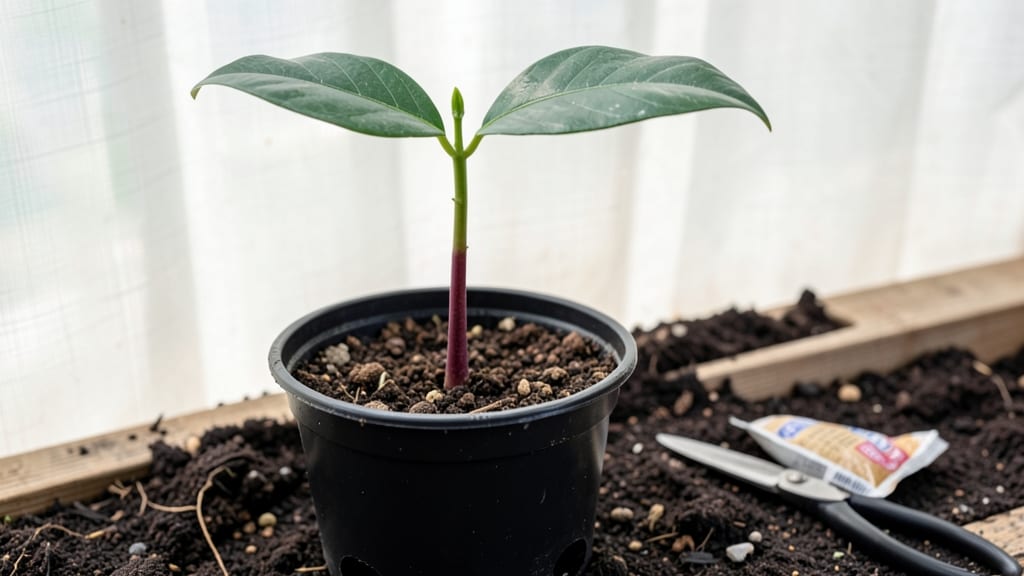
The red avocado seed hack isn’t about variety—it’s about tricking nature for faster, stronger growth. 🌱 I’ve sprouted dozens of seeds, and this cold stratification trick doubles your chances of a thriving plant by mimicking winter’s natural dormancy period.
The "red" just means you’re using a Hass avocado pit (the most common), but the technique works for any seed.
Most people soak the seed for days, only to watch it rot before sprouting. Instead, we skip the soaking and use a damp paper towel + ziplock bag in the fridge for 6-8 weeks.
This breaks dormancy so the seed knows spring’s coming—no guesswork, just science. You’ll spot tiny roots in about 3 weeks if done right.
By the time you transplant, you’ll have a 2-inch seedling ready to handle real soil. The cold treatment also prevents that leggy, weak growth so many beginners struggle with. Within a year, you could have a bushy plant with real potential for fruit—if you’re patient enough.
Works in any climate, though tropical zones may adjust the cold period slightly. The key is consistency: check moisture weekly and avoid direct sunlight until germination. Here’s exactly how to do it without the rot or waiting games.
Root Causes of Red Avocado Seed
The striking red hue that sometimes develops in avocado seeds isn’t just a visual oddity—it’s a biological response tied to the seed’s internal chemistry and environmental cues.
Understanding these triggers can help gardeners replicate the conditions for successful germination and future blooms. Here’s why it happens, broken down by the key factors at play:
The most common culprit behind a red-tinged avocado seed is ethylene gas accumulation, a natural plant hormone that regulates aging, ripening, and stress responses. As the avocado fruit ripens, it releases ethylene, which seeps into the seed.
When trapped inside the hard outer shell, this gas can trigger anthocyanin production—the same pigments that give red cabbage or apples their color.
Why it matters:
- Stress signal: Ethylene acts as a distress call, prompting the seed to prepare for dormancy or germination. The red pigment may indicate the seed is entering a state of readiness.
- Temperature sensitivity: Warmer storage (above 70°F/21°C) accelerates ethylene production, increasing the likelihood of reddening.
- Genetic variation: Some avocado varieties (like Hass) are more prone to ethylene-induced color changes due to higher baseline anthocyanin activity.
Actionable fix: If you notice reddening, store the seed in a cool, dry place (50–60°F/10–15°C) with good airflow to slow ethylene buildup. For seeds already turning red, proceed with cold stratification (see next section) to harness this natural signal for germination.
Cold stratification—the process of exposing seeds to chilly temperatures—is a deliberate trigger for reddening in avocado seeds. When seeds undergo this treatment (typically 6–12 weeks at 40–50°F/4–10°C), their metabolic processes slow down, and abscisic acid (ABA) accumulates. ABA is a stress hormone that, paradoxically, also primes seeds for germination.
Why it matters:
- Pigment shift: The cold causes a temporary oxidative stress response, which can stimulate anthocyanin synthesis in the seed’s vascular tissue, leading to red or pink hues.
- Breakdown of dormancy: The red color often fades as the seed “wakes up” from stratification, but it’s a visual cue that the process is working.
- Species-specific: Persimmon and some stone fruits also show reddening during cold treatment, suggesting it’s a shared trait in tropical/subtropical seeds.
Actionable fix: If you’re stratifying seeds intentionally, monitor them weekly. A light pink or red tint is normal and indicates the seed is responding to cold. Avoid over-stratifying (beyond 12 weeks), as this can reduce viability.
Not all red avocado seeds are a sign of successful stratification—sometimes, the color is a warning sign. Fungal or bacterial infections (e.g., Fusarium or Pythium species) can cause discoloration as they break down seed tissues. Unlike ethylene-induced reddening, infected seeds often exhibit:
- Mushy or soft texture (instead of firm).
- Black or dark red streaks (not uniform coloring).
- A foul odor (healthy seeds smell neutral or slightly nutty).
Why it matters:
- Pathogen entry: Cracks in the seed coat or improper handling (e.g., washing seeds) can invite microbes.
- Moisture trap: Seeds stored in high humidity or damp conditions are prime targets.
- Viability risk: Infected seeds rarely germinate, wasting your time and resources.
Actionable fix: If you suspect infection, discard the seed immediately. To prevent it:
- Rinse seeds in a 10% bleach solution (1 part bleach to 9 parts water) for 10 minutes, then rinse with sterile water.
- Store seeds in a paper towel-lined container (not plastic) with a silica gel packet to absorb moisture.
- Avoid refrigerating seeds longer than 3 months, as prolonged cold can encourage mold growth.
The avocado fruit’s nutrient profile before harvest can influence seed color. Seeds from fruits with high potassium or low calcium levels are more likely to develop red pigmentation due to imbalanced metabolic activity. This is especially true if the tree was:
- Grown in acidic soil (pH < 6.0), which locks out calcium.
- Fed excess nitrogen fertilizer, promoting rapid fruit growth at the expense of seed development.
- Harvested prematurely (e.g., green avocados), causing stress responses in the seed.
Why it matters:
- Calcium deficiency: Calcium stabilizes cell membranes; without it, seeds may leak ethylene and produce anthocyanins as a protective measure.
- Oxidative stress: Unbalanced nutrients lead to free radical damage, triggering pigment changes.
Actionable fix: If you’re growing avocados commercially, test soil pH and amend with lime (to raise pH) or gypsum (for calcium). For home gardeners, choose fully ripe, firm avocados from well-balanced trees for seed sourcing.
Fixing Red Avocado Seed Issues
Now that you understand why your avocado seed might be turning red—whether due to overwatering, poor drainage, fungal infection, or dormancy stress—let’s tackle the solutions. Below, we’ve broken down practical fixes for each cause, along with prevention tips to keep your seed healthy and blooming next year.
Fix: Adjust your watering routine and improve soil conditions.
💧 Step 1: Check the Moisture Level
- Stick your finger 1-2 inches deep into the soil. If it’s soggy, hold off on watering.
- A good rule: Water only when the top inch feels dry—avocado seeds hate sitting in water.
🌱 Step 2: Upgrade the Potting Mix
- Dump the old, compacted soil and replace it with a well-draining mix:
- 50% peat or coconut coir (holds moisture without suffocating roots)
- 30% perlite or pumice (prevents waterlogging)
- 20% sand or vermiculite (boosts aeration)
- Avoid garden soil—it’s too dense and retains too much moisture.
🚰 Step 3: Add Drainage Holes (If Missing)
- If your container lacks holes, poke 2-3 drainage holes in the bottom with a nail or drill.
- Place a layer of pebbles or broken pottery at the bottom to prevent clogging.
💡 Prevention Tip:
- Use a terracotta pot—it wicks away excess moisture faster than plastic.
- Mist the soil lightly instead of pouring water directly to avoid shocking the seed.
Fix: Sterilize the environment and treat the seed.
🧼 Step 1: Isolate the Seed
- Move it to a clean, dry spot away from other plants to prevent spreading spores.
- Disinfect your hands and tools with rubbing alcohol before handling.
🍄 Step 2: Trim Affected Areas (If Needed)
- If the red discoloration is mushy or spreading, use sterilized scissors to cut away the damaged tissue.
- Avoid cutting into healthy green tissue—only remove dead or discolored parts.
💊 Step 3: Apply a Fungicide or Natural Remedy
- Store-bought option: Spray with a copper-based fungicide (like Bonide Copper Fungicide) every 5-7 days.
- DIY remedy: Mix 1 tsp baking soda + 1 quart water + a drop of dish soap, then spray lightly on the soil (not the seed).
- Prevent recurrence: Add 1 tbsp cinnamon or crushed neem seeds to the soil—both have antifungal properties.
🌡️ Prevention Tip:
- Avoid overcrowding—give your seed plenty of air circulation.
- Sterilize tools before and after use to prevent cross-contamination.
Fix: Trick the seed into thinking winter has passed.
❄️ Step 1: Cold Stratify Properly
- Wrap the potted seed in a damp paper towel, then place it in a ziplock bag (leave a tiny gap for airflow).
- Store it in the fridge’s crisper drawer (not the freezer!) for 4-8 weeks.
- Check weekly: If the towel dries out, mist it lightly.
🌱 Step 2: Gradual Warmth Transition
- After stratification, move the seed to a warm spot (70-75°F) for 2-3 days to simulate spring.
- Plant it in moist, well-draining soil and keep it in bright, indirect light (no direct sun yet).
⏰ Prevention Tip:
- Mark your calendar—stratify in late fall (October-November) for spring blooms.
- Label your seed with the date to track dormancy progress.
Fix: Boost nutrition and reduce stress factors.
🍃 Step 1: Fertilize Gently
- Wait 4-6 weeks after planting before fertilizing.
- Use a balanced, water-soluble fertilizer (like 10-10-10) diluted to half strength.
- Avoid high-nitrogen fertilizers—they encourage leafy growth over flowers.
💡 Step 2: Optimize Light & Temperature
- Place the seed in bright, indirect light (e.g., an east-facing window).
- Keep temperatures between 65-80°F—avoid drafts or heaters.
- Rotate the pot weekly to ensure even light exposure.
💪 Prevention Tip:
- Test your soil pH—avocado seeds prefer slightly acidic soil (6.0-7.0). Adjust with lime (to raise pH) or sulfur (to lower it) if needed.
✨ Humidity Helper: Place the pot on a pebble tray with water to increase humidity (avocado seeds love it!). 🌱 Patience Pays Off: Avocado seeds can take months to sprout—don’t give up if progress is slow! 📅 Bloom Timeline: With proper care, you may see first flowers in 1-2 years—track progress!
By addressing the root cause (literally!) and following these steps, your avocado seed should recover and thrive—setting the stage for vibrant blooms next season. 🌸
Frequently asked questions
Why does my avocado seed turn red during cold stratification?
The red color appears due to anthocyanin pigments triggered by cold stress and ethylene buildup. This natural response helps the seed prepare for germination, similar to how apples turn red when exposed to cold. It’s a good sign the stratification is working!
Is a red avocado seed more likely to sprout than a green one?
Not necessarily—the color doesn’t affect viability. The red tint is just a visual cue from ethylene and cold exposure. Focus on proper stratification (6-8 weeks in the fridge) rather than seed color. Healthy seeds will sprout regardless of pigmentation.
Can I still use a red avocado seed if it smells bad?
Yes, but discard it immediately if you detect a foul odor—this signals fungal infection. Healthy seeds smell neutral or slightly nutty. Always store seeds in a paper towel-lined container with airflow to prevent mold growth during stratification.
How long should I cold stratify a red avocado seed?
For best results, keep it in the fridge for 6-8 weeks. Check weekly and mist the paper towel if dry. Over-stratifying beyond 12 weeks can reduce viability. After cold treatment, transition to warmth gradually to simulate spring.
Will my avocado plant bloom faster if the seed was red?
The red color doesn’t speed up flowering—it’s just a biological response. Proper care (light, temperature, and soil pH) determines bloom timing. Most avocado trees take 3-5 years to flower, regardless of seed pigmentation.