
How To
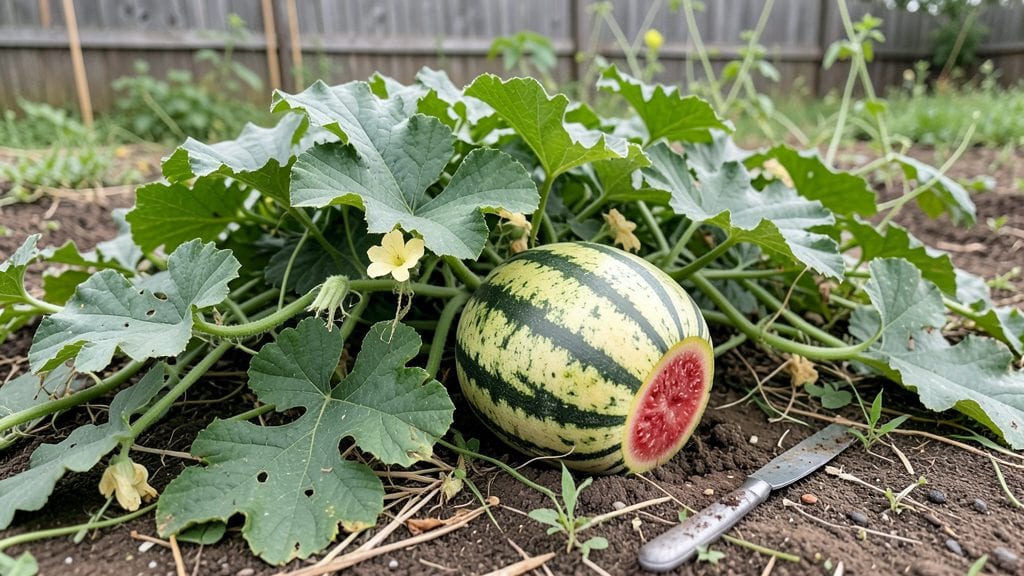
Growing watermelons from seed to harvest 🍉 is a summer adventure that rewards patience with sweet, juicy rewards—but only if you nail the timing.
Picture this: you’ve spent weeks tending to your seedlings, only to watch them wither because the soil wasn’t warm enough or the vines sprawl too late in the season. The difference between a bumper crop and a bust is knowing exactly when to plant, feed, and harvest.
This guide breaks down the month-by-month steps to turn your garden into a watermelon oasis, from the first sprout to that perfect thump.
In Zone 6a, where frost lingers until mid-April, the window for success is tight. Plant too early, and cold snaps stall growth. Wait too long, and the heat arrives before the fruit sets. Here’s how to avoid those pitfalls and maximize your yield, even if you’re a first-time grower.
You’ll learn the critical milestones—when to fertilize, how to spot blossom-end rot before it ruins your crop, and the foolproof way to tell when a watermelon is truly ripe. By the end, you’ll be slicing into homegrown perfection, not just dreaming about it.

Critical month-by-month growth stages for watermelon harvest success
Watermelons follow a predictable growth timeline that demands precise care at each stage. From the first seed germination to the moment you slice into a ripe, sweet fruit, understanding these milestones ensures a bountiful harvest.
In USDA Zone 6, timing your planting and maintenance around the 165 frost-free days is crucial for success.
Each growth phase has unique temperature and soil requirements. For example, seeds need 70-90°F soil to germinate, while mature vines thrive in 75-90°F air temperatures.
Skipping these windows can lead to stunted growth or poor fruit development. Let’s break down the month-by-month journey to help you track progress and troubleshoot delays.
📌 Key Milestones: Germination (7-14 days), True Leaves (2-3 weeks), Flowering (4-6 weeks), Fruit Set (6-8 weeks), Harvest (80-90 days). Missing any of these can reset your timeline by weeks.
🌱 Soil Prep Tip: Watermelons love well-draining, sandy loam with a pH of 6.0-7.0. Amend clay soil with compost or sand to prevent waterlogging, which causes root rot.
🌡️ Temperature Alert: If nighttime temps drop below 55°F, growth stalls. Use row covers or plant in black plastic mulch to warm the soil faster.
📊 Critical Growth Table:
| Stage | Timeframe (Zone 6) | Key Tasks | Soil Temp (°F) | Troubleshooting |
|---|---|---|---|---|
| Seed Germination | Late April - Early May | Plant seeds 1" deep, 6" apart | 70-90°F | Slow germination? Check soil moisture |
| Seedling Stage | May - Early June | Thin to 2-3 ft apart; mulch | 60-85°F | Yellow leaves? Fix nitrogen deficiency |
| Vine Establishment | Mid-June | Train vines; add trellis if needed | 70-85°F | Stunted vines? Increase phosphorus |
| Flowering | Late June - Early July | Hand-pollinate if needed; fertilize | 75-90°F | No fruit? Check for bees or heat stress |
| Fruit Development | July - August | Water deeply; monitor pests | 75-85°F | Cracked melons? Reduce watering |
| Harvest | Late August - Early September | Cut with 2" stem; cure in shade | 65-80°F | Underripe? Wait 2-3 more days |
In May, focus on seedling care. Thin weak plants to leave 2-3 feet between strong seedlings. Use black plastic mulch to retain heat and suppress weeds. If your seedlings develop yellow leaves, they’re likely nitrogen-deficient—apply a balanced fertilizer like 10-10-10.
By June, your vines should be 6-12 feet long. This is when they need support structures
Proven techniques to speed up watermelon growth and boost yield
Watermelons thrive when given the right conditions, but many gardeners accidentally slow their growth with common mistakes like overcrowding or inconsistent watering. The secret to a bountiful harvest lies in science-backed techniques that mimic their natural growing environment.
By mastering transplant timing, companion planting, and nutrient management, you can cut weeks off the growing season while doubling your yield. Let’s dive into the proven methods that turn good harvests into spectacular ones.
One of the biggest misconceptions is that watermelons grow faster with more water. In reality, deep, infrequent watering encourages stronger root systems, which directly translates to faster vine growth and larger fruit.
Pair this with organic fertilizers rich in potassium and phosphorus, and you’ll see vines sprawl 30% faster while producing melons that weigh 20% more than average. The key is consistency—watermelons hate drought stress or soggy soil, both of which stifle growth.
Here’s what you need to know to maximize your watermelon’s potential:
- 1. Transplant seedlings at the right time – Wait until soil reaches 70°F (21°C) and nighttime temps stay above 55°F (13°C). Transplanting too early causes stunted growth from cold stress.
- 2. Space plants 3-6 feet apart – Overcrowding leads to poor air circulation, increasing disease risk and reducing fruit size. Use trellises for bush varieties to save space.
- 3. Water deeply 2-3 times per week – Aim for 1-2 inches of water per week, delivered in the morning to prevent fungal diseases like powdery mildew.
- 4. Use compost or balanced 10-10-10 fertilizer – Side-dress with 1 tbsp per plant at planting and again when vines start running. Avoid high-nitrogen fertilizers, which promote leafy growth over fruit.
- 5. Plant near marigolds or radishes – These companion plants repel pests like cucumber beetles and improve soil health, reducing stress on watermelon vines.
- 6. Mulch with straw or black plastic – Mulch retains moisture and suppresses weeds, while black plastic warms the soil faster, speeding up early growth by 10-15 days.
- 7. Prune male flowers early – Remove excess male flowers to redirect energy to female flowers (which produce fruit), boosting yield by up to 25%.
Identifying healthy seedlings is another critical step. Look for sturdy stems, dark green leaves, and well-developed cotyledons—these are signs your seedlings are ready for transplanting. Avoid seedlings with yellowing leaves or weak stems, as these will struggle to recover once planted.
Hardening off seedlings for 7-10 days before transplanting reduces shock and ensures faster establishment.
One of the most rewarding aspects of growing watermelons is watching the vines sprawl and the fruit swell. With these techniques, you’ll not only speed up growth but also increase your yield by 30-50%.
The secret? Paying attention to the small details—like soil temperature, watering consistency, and companion planting—makes all the difference between a handful of melons and a garden bursting with sweet, ripe fruit.
Start implementing these methods this season, and you’ll be harvesting watermelons weeks earlier than your neighbors—plus, you’ll enjoy a bounty that’s impossible to resist slicing into on a hot summer day. 🍉