Picking
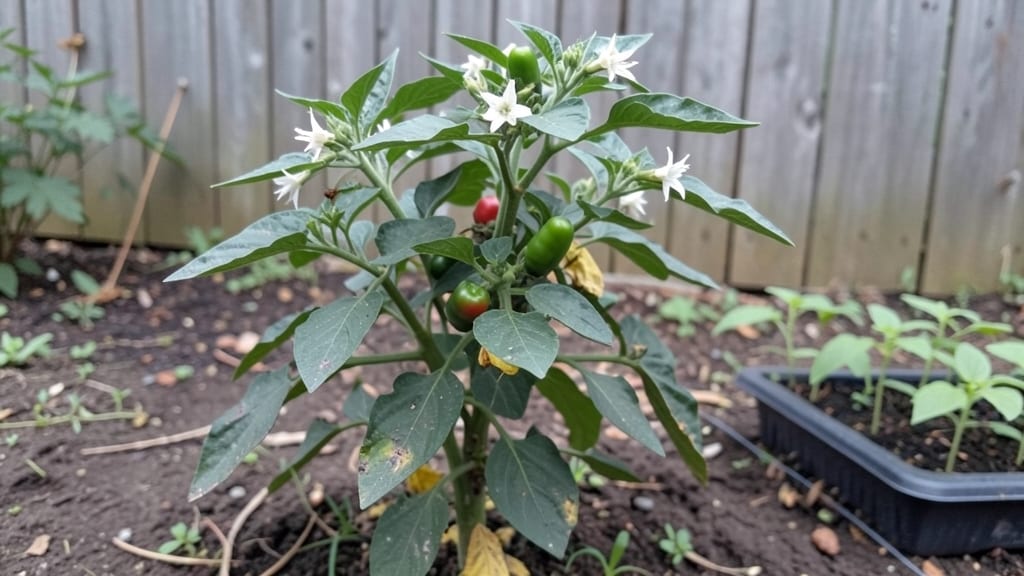
Seeding jalapeno peppers starts with the right timing and a few simple supplies that make all the difference. 🌱 I learned the hard way that patience is key—those tiny seeds need warmth and consistency to break through the soil.
The payoff? A bold, heat-packed harvest in just 60 days once they sprout.
You’ll need a seed-starting mix that drains well, small pots or a flat, and a heat mat if your home runs cool. Jalapenos hate cold soil—they’ll sulk and refuse to germinate if temperatures dip below 70°F.
Plant seeds ¼ inch deep, barely covering them, and keep the soil moist but not soggy. A clear plastic dome or plastic wrap creates a mini greenhouse effect until sprouts appear.
Once those first green leaves poke through, you’ll know you’re on the right track. The seedlings will grow fast with 12-16 hours of light daily, and you’ll start seeing real color in just 2-3 weeks.
By the time they’re ready to transplant, they’ll be stocky and ready to handle the heat—whether you’re moving them to a sunny windowsill or straight into the garden after frost danger passes.
Here’s the thing—jalapenos thrive in containers too, so don’t let limited space hold you back. Whether you’re seeding in March or extending the season with a grow light, this method works. Let’s get those seeds going so you can taste the difference fresh homegrown heat makes.
📚 In This Guide
- What you need
- Instructions
- Tips and common mistakes
- Wrapping up and next steps
What you need
- ● Jalapeno pepper seeds – 10–20 seeds (or 1–2 seed packets for a small harvest). Opt for heirloom or hybrid varieties like ‘Early Jalapeño’ or ‘Red Streak’ for consistent heat.
- ● Seed-starting mix – 1–2 quarts of sterile, well-draining mix (avoid garden soil—it’s too dense!). Look for blends labeled for seedlings.
- ● Seed trays or small pots – 4–6 biodegradable cell packs (2–3 inches deep) or 4–6 small pots (3–4 inches in diameter) with drainage holes.
- ● Grow lights or sunny windowsill – A full-spectrum LED grow light (12–16 hours/day) or a south-facing window with 6+ hours of direct sunlight.
- ● Spray bottle – For gentle watering (avoid drowning your seeds!).
- ● Plastic wrap or humidity dome – To create a mini greenhouse until germination.
- ● Plant labels & marker – Track varieties and planting dates (trust us, you’ll thank yourself later!).
- ● Fine-mist sprayer – Keeps soil moist without disturbing seeds.
- ○ Heat mat (optional) – Speeds up germination (70–80°F is ideal).
- ● Fertilizer (balanced or organic) – Like fish emulsion or worm castings (dilute to half-strength for seedlings).
- ● Transplanting tools – Small trowel or spoon for moving seedlings outdoors.
- ● Last frost date – Know your local frost-free date (check the USDA Plant Hardiness Zone Map) to time transplants after danger of frost.
- ● Warm soil – Jalapenos thrive in 60–90°F soil. Wait until soil warms up (use a soil thermometer if unsure).
- ● Sunny spot – 6–8 hours of direct sunlight daily for mature plants.
Step-by-Step instructions for seeding jalapeno peppers
Here’s the foolproof method I’ve used for years to grow bold, heat-packed jalapeños—starting from seed.
🌱 Step 1: Prepare Containers and Seed Starting Mix
Use the 4-inch peat pots to give each seedling room to grow without transplant shock. Fill them with 2 gallons of seed-starting mix, pressing lightly to create a firm, even surface. The mix should feel like a damp sponge—squeeze it gently, and it should hold its shape without dripping. I like to add a pinch of 1 tablespoon of Epsom salt to each pot at this stage. This boosts magnesium, which helps prevent blossom-end rot later.
Jalapeños hate soggy soil, so I always add a ¼-inch layer of perlite on top of the mix. This ensures drainage while keeping the soil loose enough for tender roots. Tap the pots gently on the counter to settle everything—this eliminates air pockets that could trap moisture and invite fungal issues.
🌱 Step 2: Sow Seeds at the Right Depth and Temperature
Plant 2 seeds per pot at a depth of ¼ inch, just below the surface. Press them in lightly with your finger—too deep, and they’ll struggle to break through. Cover with a thin layer of the same mix, then mist the surface with warm water until it’s evenly damp. Jalapeños germinate best in warmth (75-85°F), so place the pots on a seedling heat mat to maintain consistent heat.
I know it seems counterintuitive, but don’t water again until you see the first sprouts. Overwatering at this stage can drown seeds before they’ve had a chance to germinate. Instead, check daily—if the soil feels dry to the touch, give it a light mist. Germination usually takes 7-14 days, but it can stretch to 21 days if your home runs cooler.
☀️ Step 3: Provide Light and Prevent Leggy Growth
As soon as the first true leaves appear (not the initial cotyledons), move the seedlings under a grow light positioned 2-3 inches above the pots. Jalapeños need 14-16 hours of light daily—any less, and they’ll stretch toward the light, becoming weak and spindly. You’ll spot leggy growth as thin stems with leaves spaced far apart. If this happens, lower the light immediately and keep it on for longer hours.
Rotate the pots a quarter turn every 2-3 days so they grow straight instead of leaning. I’ve seen seedlings bend toward the light so severely they topple over—don’t let that happen to yours. Once the seedlings have 3-4 true leaves, you can gradually increase the light height to 4 inches, giving them room to grow without burning.
💧 Step 4: Water and Fertilize for Strong Starts
Water the seedlings when the top inch of soil feels dry, using room-temperature water to avoid shocking the roots. I like to water from the bottom by placing the pots in a tray of water for 10-15 minutes—this encourages deep root growth. Avoid wetting the leaves, as jalapeños are prone to fungal diseases like early blight, and damp foliage is an invitation for trouble.
After the first true leaves appear, add ½ teaspoon of 10-10-10 fertilizer to each pot. Mix it into the top ½ inch of soil and water lightly to dissolve. Fertilize again 2 weeks later, but keep it light—jalapeños are sensitive to overfeeding, which can lead to excessive leaf growth at the expense of fruit production. You’ll know you’re doing it right when the plants grow bold and bushy, not just tall and lanky.
⏰ Step 5: Harden Off and Transplant
About 2 weeks before your last frost date, start hardening off the seedlings. Place them outside in a sheltered, shaded spot for 1-2 hours the first day, then gradually increase their time outdoors by 1 hour daily. This toughens their skin and prepares them for the garden’s conditions. By the end of the week, they should be able to handle a full day outside without wilting.
Transplant the seedlings into the garden when the soil is at least 60°F and all danger of frost has passed. Dig a hole twice as wide as the pot but no deeper, then place the seedling in, covering the roots with soil. Water deeply right after planting to settle the soil and remove the peat pots—jalapeños hate having their roots disturbed, so handle them gently. You’ll see new growth within 5-7 days, signaling they’ve taken root and are ready to thrive.
Tips & tricks for perfect jalapeno pepper seedlings
Growing jalapeño peppers from seed requires precision—here’s how to avoid the most common pitfalls and maximize your harvest.
Container and Soil Preparation: In Step 1, when filling your 4-inch peat pots with 2 gallons of seed-starting mix, press the soil firmly but avoid compacting it too tightly. The goal is to create a surface that holds its shape when squeezed but still allows air circulation. I’ve found that adding the ¼-inch perlite layer not only improves drainage but also prevents fungal issues—especially in humid climates. Pro tip: If your seed-starting mix contains peat moss, consider mixing in a handful of compost to boost microbial activity, which helps seedlings establish stronger roots faster.
Germination Temperature Control: Maintaining that 75-85°F range during germination (Step 2) is critical, but don’t rely solely on your heat mat. Place a small thermometer near the pots to monitor temperature fluctuations—especially if your home has drafty windows or AC vents. I’ve seen germination times stretch to 21 days when temperatures dipped below 70°F at night. For faster results, consider using a clear plastic dome over the pots to trap warmth, but remove it daily for 10-15 minutes to prevent condensation buildup on the soil surface.
Light Management for Strong Stems: The 14-16 hours of daily light in Step 3 is non-negotiable, but the positioning matters just as much. When your seedlings develop 3-4 true leaves, adjust the grow light height to 4 inches—but here’s the secret: use a clip-on work light with adjustable brightness. This lets you simulate natural light cycles by dimming slightly during the "evening" hours (last 2 hours of the light period). This mimics the gradual light reduction plants experience at sunset, encouraging more compact growth and preventing the leggy stems that often plague indoor seedlings.
Fertilizer Timing and Technique: When you add that ½ teaspoon of 10-10-10 fertilizer in Step 4, mix it into the top ½ inch of soil rather than sprinkling it on the surface. This targeted placement prevents fertilizer burn on tender young roots. I’ve also had success with a foliar spray approach: After the second fertilization (2 weeks later), mix ¼ teaspoon of fertilizer with 1 quart of water and lightly mist the seedlings’ leaves. This provides an immediate nutrient boost without overloading the soil, and you’ll notice the leaves develop a deeper green color within days.
Pro Tips for Seeding Jalapeno Peppers
- Growing jalapeño peppers from seed requires precision—here’s how to avoid the most common pitfalls and maximize your harvest.
- Container and Soil Preparation: In Step 1, when filling your 4-inch peat pots with 2 gallons of seed-starting mix, press the soil firmly but avoid compacting it too tightly.
- Germination Temperature Control: Maintaining that 75-85°F range during germination (Step 2) is critical, but don’t rely solely on your heat mat.
Frequently asked questions
Got questions about seeding jalapeño peppers? You’re not alone! Here are some of the most common concerns—plus quick, actionable answers to get your fiery harvest growing strong.
When is the best time to start seeding jalapeños indoors vs. outdoors?
Start seeds 6–8 weeks before your last frost date indoors under grow lights (ideal soil temp: 70–85°F). For direct outdoor sowing, wait until soil temps hit 60°F+ and all frost risk has passed—jalapeños are not frost-tolerant! Warm soil speeds germination.
How long does it take for jalapeño seeds to germinate?
Germination usually takes 7–14 days in warm, moist soil (70–85°F). Keep seeds consistently damp (not soggy) and in indirect light until sprouts appear. Pro tip: Soak seeds in warm water overnight before planting to kickstart the process!
Can I use jalapeño seeds from store-bought peppers?
Yes, but with caution! Store-bought seeds may be treated to prevent germination or could be from hybrid varieties (less reliable). For best results, save seeds from homegrown, open-pollinated jalapeños—or buy fresh, untreated seeds from a reputable supplier.
Why aren’t my jalapeño seeds sprouting? Troubleshooting tips.
Check these common culprits:
- Cold soil: Seeds need warmth (use a heat mat if needed).
- Dampness issues: Too wet = rot; too dry = dormancy. Aim for consistently moist (not waterlogged).
- Old seeds: Jalapeño seeds lose viability after 1–2 years.
- Low light: Seedlings need 12+ hours of light/day (grow lights help!).
What’s the difference between seeding jalapeños and other peppers?
Jalapeños are faster-growing (60–70 days to harvest) and heat-loving compared to milder peppers like bell peppers (90+ days). They also need more consistent warmth—cool nights can stunt growth. Start them early and protect young plants from chilly temps with row covers or cloches.
Wrapping up and next steps
Seeding jalapeño peppers is a rewarding journey that brings bold flavor and fiery excitement to your kitchen in just 60 days!
With the right soil, spacing, and care, you’ll be harvesting heat-ready peppers to spice up everything from salsas to grilled meats. Don’t let a few challenges deter you—every gardener starts somewhere!
Ready to take the next step? Start your seeds indoors now (or grab transplants if you’re short on time) and watch your garden transform into a spicy paradise. 🌱 Click here to revisit our step-by-step guide and begin your jalapeño adventure today!