
Pruning
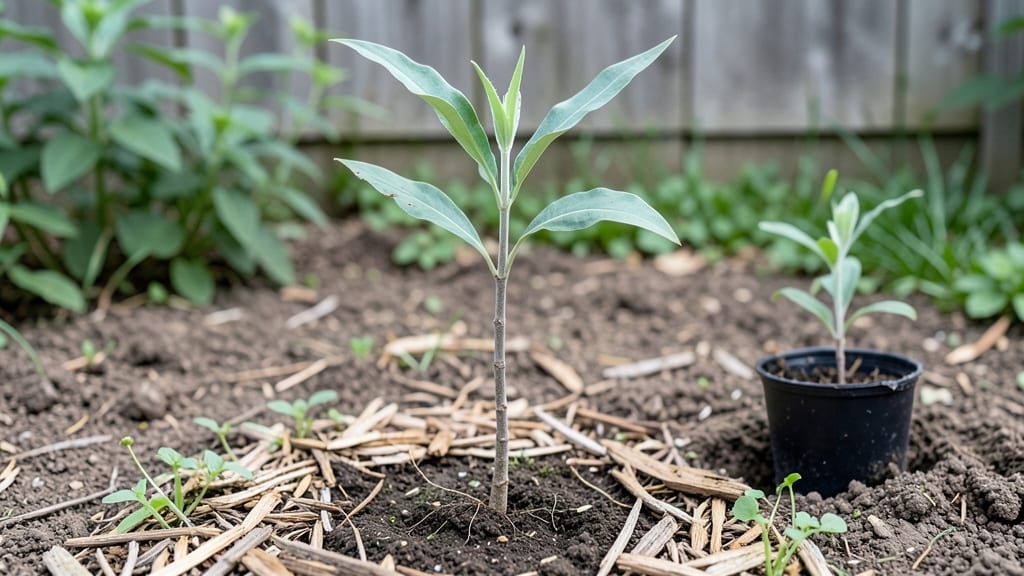
Growing a seeded eucalyptus tree from scratch is one of those gardening adventures that rewards patience with a fragrant, towering reward. 🌿 I’ve watched my first eucalyptus seedling go from a stubborn little sprout to a thriving 10-foot beauty—all by mastering the right pruning rhythm early on.
The key isn’t just cutting branches; it’s shaping the tree’s future while it’s still small.
Eucalyptus trees need a light touch when young—over-pruning stunts growth, but neglect leads to leggy, weak stems. Start with 10-15% of the new growth each pruning session, focusing on shaping rather than size.
My first mistake? Trimming too late in the season—now I time it just as the tree’s energy shifts from height to bushiness, usually in late spring or early summer.
You’ll end up with a tree that’s denser, healthier, and more resistant to pests because pruning encourages airflow and sunlight to reach the inner branches. The scent alone—like a forest after rain—makes the effort worth it. Plus, eucalyptus leaves are drought-tolerant once established, so maintenance stays simple.
This method works for both container-grown eucalyptus (great for patios) and in-ground trees in zones 8-11. The secret? Prune when the tree is actively growing, and always use clean, sharp shears to avoid tearing the bark. Let’s get those branches looking intentional!
📚 In This Guide
- What you need
- Instructions
- Tips and common mistakes
- Wrapping up and next steps
What you need
- ● Pruning shears: Bypass pruners (for cuts up to ½ inch thick) – 1 pair (look for sharp, stainless-steel blades for clean cuts).
- ● Loppers: For thicker branches (½ to 1.5 inches) – 1 pair (choose ergonomic handles for comfort).
- ● Pruning saw: For branches over 1.5 inches in diameter – 1 medium-sized saw (with a fine-toothed blade to avoid tearing).
- ● Gloves: Heavy-duty gardening gloves (to protect against thorns and sap) – 1 pair (nitrile-coated for grip).
- ● Disinfectant: 70% isopropyl alcohol or a pruning sealant – small bottle (to prevent disease spread).
- ● Clean rags or paper towels: For wiping tools between cuts – 2-3 rags (keep them handy!).
- ○ Ladder (optional): Sturdy, extendable ladder (for high branches) – 1 (ensure it’s rated for your height and weight).
- ● Safety goggles: To shield eyes from debris – 1 pair (non-negotiable!).
- ● Trash bags or bucket: For collecting pruned branches – 1-2 large bags (or a sturdy bucket for composting).
- ● Timing: Prune during the tree’s dormant season (late winter or early spring) for best results. Avoid pruning in extreme heat or cold.
- ● Weather check: Choose a dry, overcast day to minimize sap flow and reduce stress on the tree.
- ● Tool sharpening: Ensure all blades are sharp and clean before starting (dull tools crush branches, inviting disease).
- ● Safety first: Wear long sleeves and pants to protect against sap burns and scratches.
Instructions for pruning a seeded eucalyptus tree
Here's how to shape your eucalyptus into a sturdy, lush specimen without stressing the tree.
✂️ Step 1: Assess Growth and Identify Pruning Zones
Start by examining your eucalyptus for three key growth zones: the main trunk, lateral branches, and new shoots. Eucalyptus trees grow best when pruned to encourage outward branching—this creates that signature bushy silhouette. Look for water sprouts (thin, upright shoots) and dead or crossing branches (these compete for energy).
Use clean, sharp pruning shears to avoid tearing bark. I always prune on a dry, sunny morning—this gives any small wounds time to callus over before evening moisture sets in. Mark your cuts with a piece of chalk if you're unsure; eucalyptus sap can blur your vision mid-prune.
✂️ Step 2: Prune for Structure and Airflow
Begin with the main trunk—remove any low-hanging branches that could interfere with foot traffic or block sunlight from reaching the base. For lateral branches, cut back one-third of their length to stimulate new growth. This is where eucalyptus gets its density; you're essentially telling the tree, "Grow wider, not taller."
Target water sprouts first—they drain energy from the tree. Cut them at the base, just above a leaf node (the bump where leaves attach). For thicker branches over ½ inch in diameter, make a clean cut at a 45-degree angle, sloping away from the branch collar. This prevents water from pooling and rotting the wound.
✂️ Step 3: Thin the Canopy for Light Penetration
Eucalyptus leaves are narrow and grow densely, so thinning the canopy is critical. Remove every other branch in clusters to let light reach the inner foliage. You'll see the difference immediately—inner branches will green up within 2-3 weeks as they get better access to sunlight. Avoid "lion-tailing" (cutting all branches back to one main stem), which stresses the tree.
If your eucalyptus has leggy growth (long, sparse branches), prune the tips of these branches back by ⅓ to ½ their length. This encourages the tree to bush out rather than stretch upward. Watch for new shoots emerging from the leaf nodes—these are your signal that the pruning is working.
⏰ Step 4: Schedule Seasonal Maintenance
Prune lightly in late winter (just before new growth starts) to shape the tree for the season. Avoid heavy pruning in fall or early spring—this can stimulate tender new growth that won’t survive frost. For drought-prone areas, prune in early summer to reduce water stress; eucalyptus is tough but not indestructible.
After pruning, apply a balanced, slow-release fertilizer (like 10-10-10) to support recovery. Water deeply once a week for the first month post-prune—this helps the tree heal and encourages robust new growth. You’ll notice fresh green shoots within 4-6 weeks, signaling the tree is thriving.
🌿 Step 5: Monitor and Adjust for Long-Term Health
Check your eucalyptus monthly for signs of stress: yellowing leaves (often a watering issue), brown tips (usually dry air), or pests like psyllids (tiny jumping insects). If you see sawdust-like frass on leaves, hose off the pests immediately—eucalyptus is resilient but hates competition.
Adjust your pruning approach based on growth patterns. If the tree grows too tall, prune the top branches to redirect energy downward. If it stays compact, focus on thinning to improve airflow. Over time, you’ll develop a rhythm—my eucalyptus now looks like a well-groomed shrub instead of a scraggly sapling, all thanks to consistent pruning.
Tips & tricks for pruning a seeded eucalyptus tree
A few strategic cuts can transform your eucalyptus from a scraggly sapling into a thriving, bushy specimen. Here's what I've learned after shaping my own trees.
Timing is Everything: The late winter timing in Step 4 is crucial because it aligns with the tree's natural dormancy period. Pruning then minimizes stress and prevents frost damage to new growth. I've seen eucalyptus trees recover beautifully when pruned in these ideal conditions, but heavy pruning in spring can actually stunt growth by encouraging tender shoots that won't survive cold snaps.
Cutting Technique Matters: When making those 45-degree cuts on branches over ½ inch in Step 2, imagine you're creating a smiley face on the branch collar—the cut should slope away from it. This simple angle prevents water from pooling and rotting the wound. I learned this the hard way when my first eucalyptus developed cankers from improper cuts. Also, always cut just above a leaf node—this is where new growth will emerge.
Seasonal Adjustments: For drought-prone areas, that early summer pruning in Step 4 works wonders because it reduces water stress by removing energy-draining branches. I've seen eucalyptus trees in dry climates thrive with this approach, but in humid regions, summer pruning can actually invite fungal issues. The key is to prune when your local climate allows for optimal healing—usually when temperatures are moderate but not extreme.
Visual Cues for Success: Those 2-3 weeks mentioned in Step 3 for inner branches to green up are your best feedback mechanism. If you don't see new growth within that window, it might indicate stress from over-pruning or poor soil conditions. I always check for fresh green shoots as my go-to sign that the pruning worked—it's like getting a high-five from your tree!
Pro Tips for Seeded Eucalyptus Tree
- A few strategic cuts can transform your eucalyptus from a scraggly sapling into a thriving, bushy specimen.
- Timing is Everything: The late winter timing in Step 4 is crucial because it aligns with the tree's natural dormancy period.
- Cutting Technique Matters: When making those 45-degree cuts on branches over ½ inch in Step 2, imagine you're creating a smiley face on the branch collar—the cut should slope away from it.
Frequently asked questions
Got questions about growing and pruning your seeded eucalyptus tree? You’re not alone! Here are some of the most common queries—plus straightforward answers to keep your tree thriving.
How long does it take for a seeded eucalyptus tree to grow to a prunable size?
A seeded eucalyptus typically reaches a prunable height (around 3–5 feet) within 1–2 years, depending on climate and care. In warmer regions, faster growth means earlier pruning opportunities. Patience is key—rushing can stress young trees. Start with light trims to shape early and avoid over-pruning.
Can I prune a seeded eucalyptus tree at any time of year?
The best time to prune is late winter or early spring, just before new growth begins. Avoid heavy pruning in fall or summer, as it can stress the tree or encourage pest issues. Light shaping for safety (e.g., removing dead branches) is fine year-round, but major cuts wait for the ideal window.
What’s the difference between pruning a seeded eucalyptus vs. a grafted one?
Seeded eucalyptus trees are hardier and more vigorous but may grow less uniformly than grafted varieties. Prune seeded trees to encourage bushiness by cutting back to outward-facing buds. Grafted trees (like ‘Gunnii’) often need less aggressive pruning to maintain their shape. Focus on removing crossing branches and deadwood in both types.
Why is my seeded eucalyptus tree not growing after pruning?
Stunted growth after pruning usually stems from over-pruning (removing >30% of foliage) or poor timing. Ensure you’re cutting just above a leaf node (not bare wood) and avoid pruning during drought or extreme heat. If the tree looks stressed, fertilize lightly with eucalyptus-friendly nutrients and water deeply.
Are there alternatives to pruning for controlling seeded eucalyptus size?
Yes! If pruning feels daunting, try these low-maintenance options:
- Container growth: Plant in a large pot to limit root spread (ideal for small yards).
- Regular transplanting: Move young trees to larger spaces every few years to curb overgrowth.
- Thinning out: Remove entire branches at the base (rather than trimming) to reduce density.
Wrapping up and next steps
Growing a seeded eucalyptus tree into a lush, healthy specimen is entirely within your reach—with the right pruning techniques! By mastering selective cutting, seasonal timing, and tool care, you’ll encourage bushier growth and a stronger tree.
Remember, patience and consistency are key—your eucalyptus will reward you with vibrant foliage and resilience over time.
Ready to take the next step? Start small—pick one pruning session this season to practice your skills, then gradually expand your efforts. And if you’re feeling ambitious, share your progress with fellow gardening enthusiasts for tips and inspiration! 🌿✨