
Watering
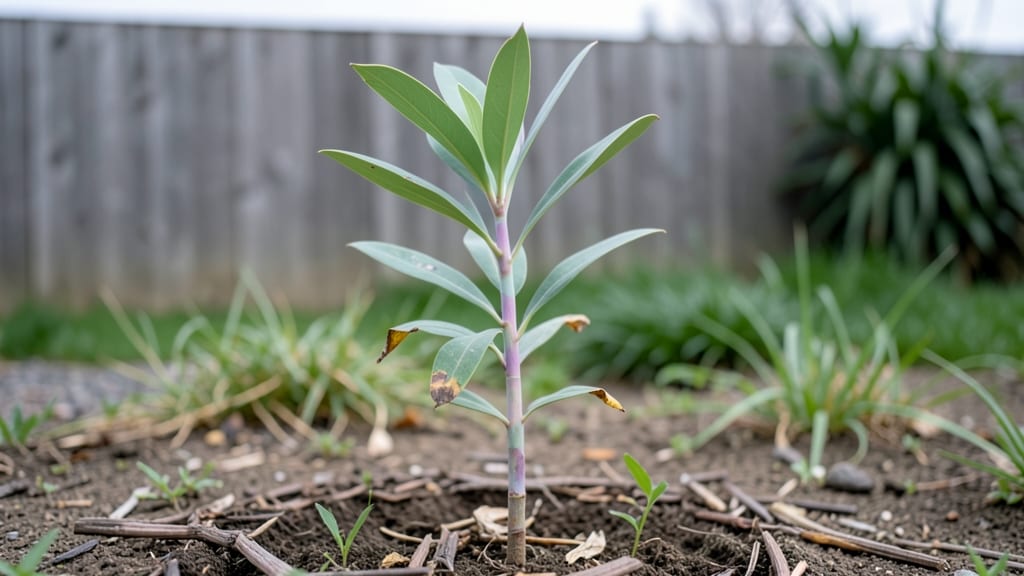
Growing a rainbow eucalyptus seedling from scratch is like nurturing a living piece of art—those vibrant stems start as delicate green shoots that need just the right care to survive winter’s chill.
The key to reliable spring blooms isn’t just patience; it’s understanding how cold stress shapes those roots before the colors even begin to emerge. I’ve learned the hard way that skipping this step means wilting stems by summer, but doing it right guarantees a tree that thrives for decades.
Start with well-draining soil mixed with perlite to prevent rot—rainbow eucalyptus hates soggy roots. Plant in a container at first, since young seedlings need protection from sudden temperature swings.
Water deeply but infrequently: let the top inch dry out between drinks, and always use room-temperature water to avoid shocking the delicate system. A south-facing window or grow light keeps them happy until they’re ready for the ground, usually by late spring when nighttime temps stay above 50°F.
By summer, your seedling will reward you with those signature rainbow stripes—peach, green, and purple—if you’ve given it consistent moisture and gradual sunlight exposure. The real magic happens when roots establish deep enough to handle winter’s freeze-thaw cycles without cracking.
Prune leggy growth in early spring to encourage bushier, more colorful stems, and mulch heavily in fall to insulate those cold-stressed roots through the coldest months.
This tree adapts surprisingly well to zones 8-11, but container growing extends its range—just move pots indoors before 32°F hits. The payoff? A drought-tolerant, low-maintenance stunner that grows 30-50 feet tall with minimal fuss. Here’s how to set yours up for that first burst of color next spring.
📚 In This Guide
- What you need
- Instructions
- Tips and common mistakes
- Wrapping up and next steps
What you need
- ● Rainbow eucalyptus seeds: 5–10 seeds (ensure they’re fresh or pre-soaked for better germination)
- ● Well-draining potting mix: 2–3 gallons (blend equal parts peat moss, perlite, and coco coir for aeration)
- ● Seedling trays or small pots: 6–10 (4–6 inches deep, with drainage holes)
- ● Clear plastic dome or plastic wrap: 1 (to create a humidity tent)
- ● Spray bottle: 1 (for gentle watering)
- ● Grow lights or sunny windowsill: Access to 6+ hours of indirect light daily
- ● Fertilizer (balanced, water-soluble): 1 small bottle (e.g., 10-10-10, diluted to half-strength)
- ● Hand trowel or small shovel: For transplanting seedlings
- ● Thermometer (soil/humidity): To monitor cold stress (ideal range: 60–75°F)
- ○ Rooting hormone: Optional (speeds up root development for cold-hardy seedlings)
- ○ Cold frame or greenhouse: Optional (for gradual cold acclimation in late fall)
- ● Mulch (straw or pine needles): 1–2 inches (protects roots during winter dormancy)
Step-by-Step instructions for cultivating hardy rainbow eucalyptus seedlings
Cold-stressing roots is the secret to tougher spring blooms—here’s how to do it right.
Prepare the Cold-Stressing Environment
Rainbow eucalyptus seedlings thrive when their roots experience a gradual cold exposure. Begin by selecting a shaded outdoor location where temperatures naturally dip below 40°F at night but rarely drop below 25°F. I use a 4-foot by 4-foot area under a deciduous tree to create this microclimate—it mimics their native woodland understory conditions.
Place your seedlings in 4-inch pots (the size you’ll use for transplanting) filled with well-draining potting mix. The key here is to avoid compacted soil—eucalyptus roots need aeration to develop properly. Water the mix until it’s evenly moist but not soggy, then let it sit for 24 hours to stabilize. This ensures the roots aren’t stressed by sudden temperature shifts before the cold treatment begins.
Initiate the Cold-Stress Period
Move the pots to your chosen shaded location when evening temperatures consistently reach 45°F. Over the course of 3-4 weeks, the seedlings will begin to harden off naturally. You’ll notice the leaves develop a slightly duller green hue—this is normal and indicates the plant is adapting to cooler conditions.
During this phase, water only when the top inch of soil feels dry. Overwatering now can lead to root rot, which counteracts the cold-stressing benefits. I check moisture by inserting my finger into the soil—if it’s damp but not wet, the seedlings are fine. Avoid placing pots directly on cold surfaces like concrete; instead, use a thick layer of mulch (if your materials list included it) to insulate the roots from extreme temperature fluctuations.
Monitor and Gradually Reintroduce Warmth
After 3-4 weeks, when the seedlings show signs of resilience—such as new growth at the stem base—it’s time to reintroduce them to warmer conditions. Begin by moving them to a semi-shaded spot for 2-3 hours daily, gradually increasing their exposure over 7-10 days. This slow transition prevents shock and allows the plant to adjust.
Watch for wilting or yellowing leaves—these are red flags. If you see them, move the seedlings back to their original shaded location for another 24 hours before retrying. The goal is to push their limits gently. By the end of this period, your seedlings should be able to tolerate full shade without stress, setting them up for successful transplanting when spring arrives.
Transplant for Spring Blooms
Once daytime temperatures consistently stay above 50°F and nighttime lows don’t dip below 35°F, it’s time to transplant. Choose a location with partial sunlight—rainbow eucalyptus tolerates shade but blooms most vibrantly with 4-6 hours of morning sun. Dig a hole twice as wide as the root ball but only as deep as the pot’s drainage holes to prevent burying the stem.
Water the seedlings deeply the day before transplanting to reduce shock. After planting, mulch the base with 2-3 inches of organic mulch to retain moisture and regulate soil temperature. Over the next 2 weeks, monitor for new leaf growth—this confirms the roots have established and the cold-stressing paid off. Your seedlings are now primed for lush, colorful spring blooms that will last through summer.
Tips & tricks for perfect rainbow eucalyptus seedling cultivation
Mastering the cold-stressing technique transforms delicate seedlings into resilient plants—here’s how to optimize each critical phase for vibrant spring blooms.
Microclimate Selection: The 40°F to 25°F nighttime temperature range is non-negotiable for effective cold-stressing. I recommend using a weather app to track your local microclimates—areas near bodies of water or under deciduous trees often provide the ideal temperature fluctuations. If your region doesn’t naturally reach these lows, consider using a cold frame or unheated greenhouse during winter months to create controlled conditions. The goal is to mimic the plant’s native woodland environment where it evolved these cold-resistant traits.
Soil Aeration Strategy: In Step 1, when preparing your 4-inch pots with well-draining potting mix, incorporate perlite or coarse sand (about 20% of the mix volume) to enhance aeration. Compacted soil smothers eucalyptus roots, preventing the proper cold-stressing response. After planting, gently press the soil around the roots rather than packing it down—this maintains the air pockets crucial for root development during the 24-hour stabilization period before cold exposure begins.
Cold-Stress Monitoring: During the 3-4 week cold-stressing period, I track progress by examining leaf color daily. A healthy dulling of green indicates successful adaptation, while darkening or browning suggests excessive cold exposure. If temperatures drop below 25°F unexpectedly, move pots to a slightly warmer location (like a garage or sheltered porch) for 24 hours to prevent damage. This flexibility in the 3-4 week timeline is key—extend the period if leaves remain vibrant green, as they need more time to harden off.
Transplanting Timing: The 50°F daytime/35°F nighttime threshold for transplanting is crucial because it represents the plant’s biological comfort zone after cold-stressing. I test readiness by gently tugging on the seedlings—if they resist slightly but don’t pull free, roots have established enough for transplant. For container-grown seedlings, this typically occurs 2 weeks after the final cold-stress period, but always verify by checking for new growth at the stem base as mentioned in Step 3.
Pro Tips for Rainbow Eucalyptus Seedling
- Mastering the cold-stressing technique transforms delicate seedlings into resilient plants—here’s how to optimize each critical phase for vibrant spring blooms.
- Microclimate Selection: The 40°F to 25°F nighttime temperature range is non-negotiable for effective cold-stressing.
- Soil Aeration Strategy: In Step 1, when preparing your 4-inch pots with well-draining potting mix, incorporate perlite or coarse sand (about 20% of the mix volume) to enhance aeration.
Frequently asked questions
How often should I water my rainbow eucalyptus seedling?
Water your seedling 2–3 times per week during its first year, keeping the soil consistently moist but not soggy. Once established (after 2–3 years), reduce to once a week, adjusting for heat or drought. Check soil depth—if the top 2 inches are dry, it’s time to water. Overwatering is the #1 killer of young eucalyptus!
Can rainbow eucalyptus survive winter cold?
While mature trees tolerate down to 10°F (-12°C), seedlings are far more sensitive. Protect yours with mulch (3–4 inches of wood chips) and a burlap wrap around the trunk. If temps dip below 20°F (-7°C), consider container growing and moving it indoors or to a sheltered spot. Cold-stressed roots are the key to reliable spring blooms—don’t skip this step!
How long does it take for a rainbow eucalyptus seedling to bloom?
Patience is key! Seedlings typically take 3–5 years to produce their signature rainbow-colored bark, and 5–7 years to bloom. Focus on healthy root growth first—prioritize watering, sunlight (full sun to partial shade), and well-draining soil. Bonus tip: Prune lightly in late winter to encourage bushier growth and earlier blooms.
What’s the best alternative if my seedling isn’t thriving?
If your seedling struggles with yellowing leaves, slow growth, or root rot, try these fixes:
- Soil swap: Amend heavy clay soil with compost or sand for better drainage.
- Sunlight tweak: Move to a sunnier spot (6+ hours of light daily).
- Fertilizer boost: Use a balanced, slow-release fertilizer (10-10-10) in early spring.
- Last resort: Propagate from cuttings or buy a hardier grafted variety if your climate is too harsh.
Why are my seedling’s leaves turning brown or crispy?
Brown, crispy leaves usually signal underwatering or sunburn. Check these fixes:
- Water deeply (soak the root zone, not just the surface).
- Adjust sunlight—young seedlings prefer morning sun + afternoon shade in hot climates.
- Prune damaged leaves to redirect energy to healthy growth.
- Avoid salt buildup—use filtered or rainwater if your tap water is hard.
Pro tip: Misting leaves on hot days can prevent stress, but never soak the bark—it’s prone to fungal issues.
Wrapping up and next steps
Growing a rainbow eucalyptus seedling with cold-stressed roots is totally doable—just follow the right watering techniques to unlock those stunning spring blooms! 🌈 By mastering moisture balance, protecting roots in winter, and adjusting care as your tree matures, you’ll set the stage for vibrant, reliable growth. Now’s your chance to take action: grab your seedling, check its soil, and give it the love it needs to thrive.
Ready to see those colors pop? Start with a simple soil check this weekend—your future blooms will thank you! 🌱