
Lawn
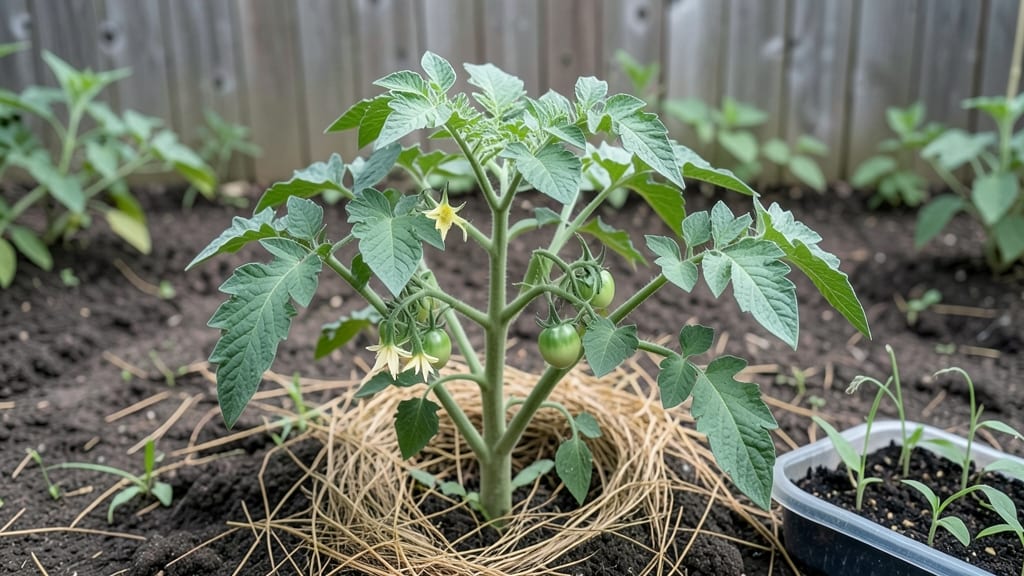
A seed planting schedule 🌱 is your roadmap to a garden that bursts with life—no more guessing when to drop seeds in the dirt or watching them fail because of a missed window.
Timing is everything in gardening—plant your seeds too early, and they’ll rot in cold soil; too late, and you’ll miss the harvest season. This month-by-month guide takes the guesswork out of when to start seeds indoors, when to direct-sow outdoors, and how to adjust for your local frost dates.
Whether you’re growing tomatoes that need a long, warm season or quick-turnaround radishes for a spring salad, knowing the right time to plant means fewer failures and more homegrown bounty.
Below, I’ll walk you through the best planting times for Zone 6a, plus tips to stretch your season and protect young plants from unexpected frosts.
Ready to turn your garden dreams into reality? Let’s get those seeds in the ground at the perfect moment for peak growth.

Month-by-month seed planting schedule for cold and warm climates
Getting your seed planting schedule right means the difference between a thriving garden and wasted effort. Cold climates like USDA Zone 5 or colder have shorter growing seasons, while warm climates in Zones 8-10 can grow year-round.
I’ll break down the best months to plant popular seeds in both regions, including frost-sensitive crops and hardy cool-season varieties.
For cold climates, timing starts 4-6 weeks before your last frost date, while warm climates often begin planting in early spring and continue through fall. Always check your local frost dates—these are the foundation of your schedule. I’ll also highlight succession planting opportunities to maximize your harvest.
Note: Adjust planting dates by 2-4 weeks if you’re using row covers or cold frames to extend seasons. Warm climates can plant heat-loving crops like tomatoes and peppers much earlier than cold regions.
Here’s a side-by-side comparison of planting times for vegetables, herbs, and flowers in both climates:
<comparison-table>| Month | Cold Climate (Zones 1-5) | Warm Climate (Zones 8-10) | Notes |
|---|---|---|---|
| January | Indoor starts: Peppers, Tomatoes, Eggplants | Outdoor: Lettuce, Spinach, Carrots | Use grow lights for indoor seedlings. |
| February | Indoor: Onions, Broccoli, Kale | Outdoor: Radishes, Peas, Beets | Cold frames protect early seedlings. |
| March | Outdoor: Spinach, Peas, Lettuce | Outdoor: Tomatoes, Peppers, Basil | Wait until soil warms to 60°F for warm crops. |
| April | Outdoor: Carrots, Beets, Radishes | Outdoor: Cucumbers, Squash, Corn | Direct sow after last frost date. |
| May | Outdoor: Tomatoes, Peppers, Basil | Outdoor: Okra, Sweet Potatoes, Melons | Use row covers for heat-sensitive plants. |
| June | Succession: Beans, Lettuce, Spinach | Succession: Green Beans, Zucchini | Plant heat-tolerant varieties. |
| July | Succession: Kale, Radishes, Turnips | Outdoor: Fall Broccoli, Cabbage | Prepare for fall planting in warm zones. |
| August | Outdoor: Garlic, Onions, Spinach | Outdoor: Carrots, Lettuce, Peas | Start cool-season crops 6 weeks before frost. |
| September | Outdoor: Kale, Spinach, Radishes |
How to adjust your seed planting schedule for late or early seasonsMother Nature doesn’t always follow the gardening calendar—unexpected frosts, heatwaves, or early snow can throw off your seed planting schedule. The key to success is flexibility. With the right adjustments, you can still enjoy a bountiful harvest, even when the weather doesn’t cooperate. Whether you’re dealing with a late spring frost or an early fall chill, these strategies will help you extend your growing season and protect your plants. One of the simplest ways to adjust your schedule is by using season extenders like row covers, cold frames, or even a humble plastic tunnel. These tools create a microclimate that traps warmth, allowing you to plant earlier in spring or later in fall. For example, a floating row cover can raise soil temperatures by 3-5°F, giving delicate seedlings like lettuce or spinach a head start before the last frost date. Even a DIY cold frame made from a wooden box and clear plastic can buy you an extra 2-4 weeks of growing time in early spring or late fall.
Pro Tip: For late-season planting, choose fast-maturing varieties like bush beans or radishes. These crops can go from seed to harvest in as little as 30-40 days, making them perfect for squeezing in a second planting after your first harvest. Always check the days to maturity on your seed packet to ensure you’ll have time to harvest before the first frost.
Another game-changer is succession planting, which involves staggering your plantings every 2-3 weeks to ensure a continuous harvest. This technique is especially useful for leafy greens, carrots, and radishes, which can bolt or go to seed quickly in warm weather. For instance, if you plant a row of lettuce in early spring, follow it up with another row in late May and a final row in early July. This way, you’ll have fresh greens ready to pick from spring through early fall, regardless of the weather. When unexpected weather hits—like a sudden late-spring frost—don’t panic. Many cold-hardy crops, such as kale, broccoli, and peas, can actually thrive in cooler temperatures. These plants often taste sweeter after a light frost, so embrace the chill! If frost is forecasted, cover your seedlings with a lightweight blanket or frost cloth the night before. This simple trick can protect tender plants and give them time to recover once temperatures rise. For early-season planting, consider starting seeds indoors under grow lights 6-8 weeks before your last frost date. This head start ensures your seedlings are robust enough to transplant outdoors once the soil warms up. If you’re short on indoor space, try a seedling heat mat to speed up germination for slow starters like tomatoes or peppers. These tools can shave weeks off your growing timeline, giving you a jump on the season. Finally, keep a gardening journal to track your adjustments year after year. Note which strategies worked best in your climate, such as the exact dates you planted under row covers or which varieties thrived in your extended season. Over time, you’ll fine-tune your seed planting schedule to match your local conditions, making your garden more resilient and productive. With a little creativity and the right tools, you can turn even the trickiest seasons into a gardening success story. |