Propagation
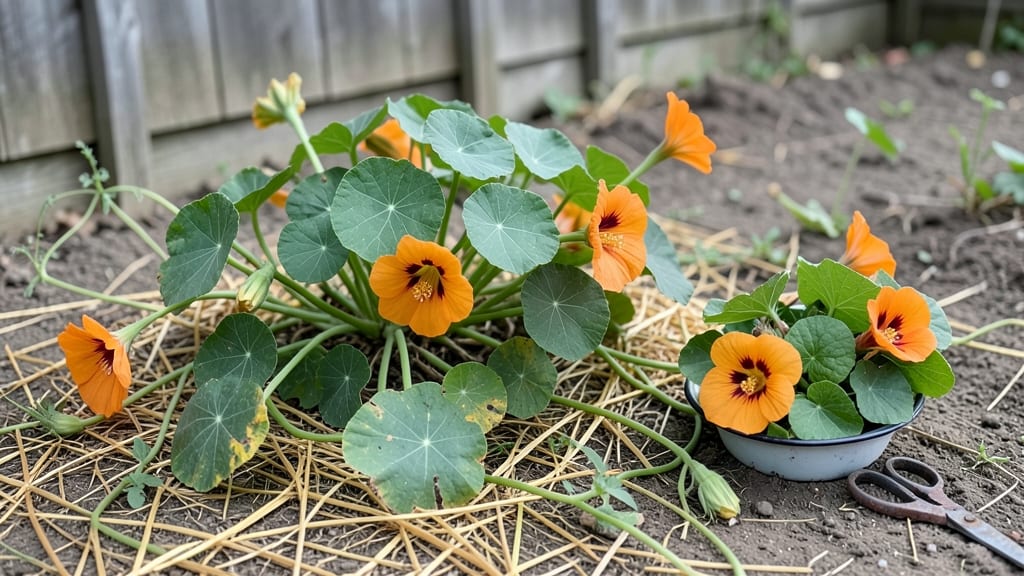
Nasturtium seeds are edible and offer a sharp, peppery flavor similar to watercress or mustard, often used as a spicy garnish in salads, sandwiches, or as a condiment. Always harvest from pesticide-free plants and consume in moderation due to potential mild toxicity in large amounts.
These tiny edible seeds pack a bold, tangy kick that elevates simple dishes—think of them as nature's spicy mustard seeds. 🔥 The flavor intensifies as they mature, making fully ripened pods the most potent.
Beyond their culinary punch, they're packed with vitamin C and antioxidants, though their high oxalate content means they shouldn't be a daily staple. I like toasting them lightly to mellow the sharpness before sprinkling over cheese boards or herb-infused oils for an unexpected zing.
Harvesting is simple: wait until pods turn from green to papery brown before picking. Store dried seeds in airtight containers away from light to preserve their potency. Just remember—what makes them delicious also means they should be used sparingly, especially if you're sensitive to nightshade-family compounds.
💡 In This Article
- Nutritional and Flavor Profile of Nasturtium Seeds
- How to Safely Harvest and Use Nasturtium Seeds in Cooking
Nutritional and flavor profile of nasturtium seeds
The flavor of nasturtium seeds is best described as a fiery fusion of peppery heat and citrusy tang, with a subtle sweetness that emerges when lightly toasted. 🌶️ Their heat level registers around 2,500-3,000 Scoville units—comparable to black pepper but with a more complex, almost floral finish.
This intensity comes from their high concentration of glucosinolates, the same compounds that give mustard and horseradish their signature kick. What sets them apart is their unique aroma profile, which blends green, grassy notes with a faint honeyed undertone when fully mature.
Nutritionally, these tiny seeds are powerhouses packed with vitamin C (about 15% DV per tablespoon), making them one of the few seeds with significant ascorbic acid content. They also contain antioxidant flavonoids like quercetin and kaempferol, which contribute to their potential anti-inflammatory benefits.
The seeds' high oxalate content (1.2% by weight) explains why they should be consumed in moderation—similar to spinach or beets. For comparison, black sesame seeds have negligible oxalates, while mustard seeds contain about 0.5%.
The seeds' botanical journey begins when pods transition from green to papery brown, signaling peak flavor development. 🌱 Harvesting at this stage ensures maximum potency, as unripe pods yield milder, less aromatic seeds.
Their texture is firm yet crumbly when dry, similar to poppy seeds but with a slightly rougher surface. When used raw, they deliver an immediate, sharp bite that mellows into a lingering warmth—ideal for sprinkling over goat cheese salads or cured meats where their complexity can shine.
What most people don't realize is how their flavor evolves with preparation. Lightly toasting at 300°F for 3-5 minutes reduces their sharpness while enhancing their nutty undertones, making them perfect for homemade mustard blends or spiced oils.
Their color also shifts from vibrant orange to deep amber during toasting, adding visual appeal. This transformation mirrors what happens with black mustard seeds, though nasturtium seeds maintain a brighter, more vibrant hue throughout the process.
For those familiar with edible flowers and greens, nasturtium seeds bridge the gap between mustard seeds and watercress in terms of flavor intensity. 🌿 While mustard seeds deliver a more straightforward heat, nasturtium seeds offer a layered experience with their citrusy finish.
Their peppery profile makes them an excellent substitute for capers in recipes, though they lack capers' briny depth. The key to using them effectively lies in their controlled application—think of them as a spicy garnish rather than a primary seasoning, where their bold character can elevate without overpowering.
Botanically, nasturtium seeds belong to the Brassicaceae family, the same group as broccoli and Brussels sprouts, which explains their shared sulfur-containing compounds. These compounds are what give them their characteristic aroma and potential health benefits, including supporting detoxification pathways.
However, this also means individuals sensitive to cruciferous vegetables might experience similar digestive responses when consuming nasturtium seeds in large quantities.