
Companion Plants
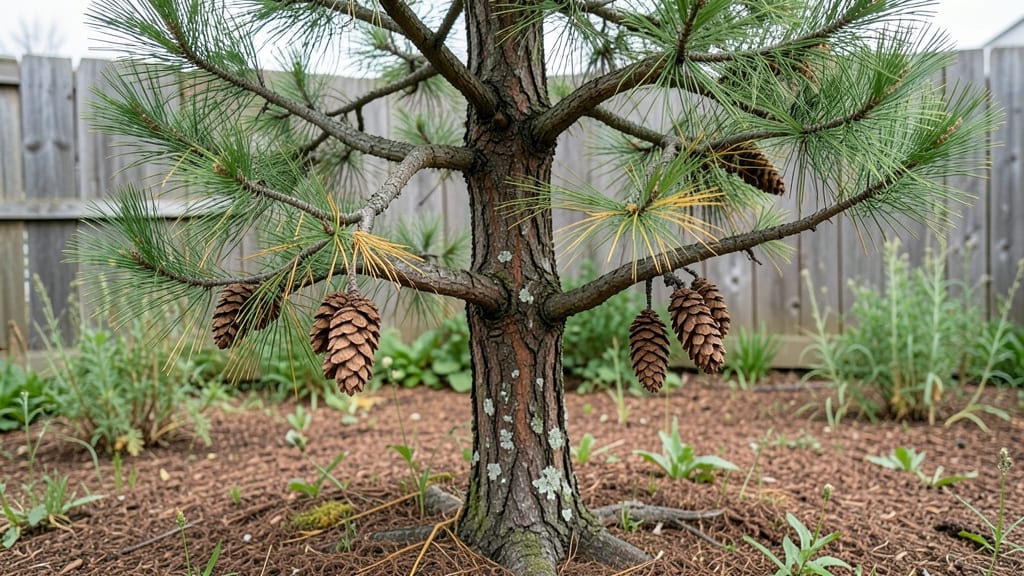
Naked seed plants, or gymnosperms, produce seeds exposed on cone scales or leaf surfaces without enclosing them in fruits or flowers, unlike flowering plants. Examples include pine trees, spruces, and cycads, which thrive in diverse climates and play key roles in ecosystems.
These ancient plants have been around for over 300 million years, long before flowering plants evolved. 🌲 The term "naked" refers to their exposed seeds—no protective fruit cases—making them uniquely adapted to wind pollination and harsh conditions.
Unlike angiosperms (flowering plants), gymnosperms rely on cones or leaf-like structures to develop seeds, which often contain higher oil content for energy storage. This adaptation helps them survive in cold climates where flowering plants struggle.
Gymnosperms also play a crucial ecological role by providing year-round food for wildlife through their seeds and needles. Many species, like the towering redwoods, serve as carbon sinks, absorbing more CO₂ than their flowering counterparts. For gardeners, their low-maintenance nature and drought resistance make them ideal for sustainable landscaping projects.
💡 In This Article
- How Gymnosperm Seed Production Differs From Angiosperms
- Top Naked Seed Plants for Landscaping and Ecosystem Benefits
How gymnosperm seed production differs from angiosperms
Here's what sets gymnosperm reproduction apart: they lack ovaries entirely, which means their seeds develop directly on modified leaves called sporophylls.
These structures form cones in most species, where pollen-producing cones (male) release clouds of lightweight pollen grains that drift on wind currents—sometimes traveling over 100 feet to reach female cones.
The absence of flowers means no nectar or bright petals to attract pollinators, forcing gymnosperms to rely entirely on wind for genetic mixing. 🌬️
The seed development process begins when pollen lands on the sticky surface of female cones, where it germinates and grows a pollen tube toward waiting ovules. Unlike angiosperms, these ovules aren't enclosed in an ovary—just exposed on cone scales, which is why they're called "naked" seeds.
This exposure creates a trade-off: while it makes seeds vulnerable to predators, it also allows for massive seed production (a single pine tree can release 20 million seeds annually) and easier dispersal by wind or animals.
What most people don't realize is how this system evolved as an advantage in harsh environments. Gymnosperms dominate cold climates because their cones can remain closed through winter, protecting developing seeds until conditions improve.
The seeds themselves often contain 20-30% oil content—far higher than most angiosperm seeds—which provides energy for germination in nutrient-poor soils. This oil-rich design is why gymnosperm seeds like pine nuts are prized in cuisines worldwide.
The lack of fruit also means gymnosperms don't invest energy in fleshy structures to attract seed dispersers. Instead, they produce winged seeds (like maple "helicopters") or rely on animals to carry seeds away.
This strategy works particularly well in forested ecosystems where wind patterns are predictable. For example, Douglas fir seeds have 3-inch wings that spiral as they fall, creating stable descent paths through dense canopies.
Consider the evolutionary trade-offs: while angiosperms have developed complex flower structures to attract specific pollinators, gymnosperms have optimized for quantity and resilience. Their wind-pollination system means they can thrive in areas with low insect populations or poor soil, while their exposed seeds allow for rapid colonization of disturbed lands.
This is why gymnosperms dominate boreal forests and mountainous regions where flowering plants would struggle to survive.
One fascinating exception is the Ginkgo biloba, the sole surviving member of its ancient order. Its seeds develop on short stalks rather than cones, with a fleshy outer layer that smells strongly of rotting meat—a rare case of chemical mimicry in gymnosperms to attract animal dispersers.
This adaptation shows how even "naked" seed plants can evolve specialized traits when environmental pressures change. 🌿