Lawn
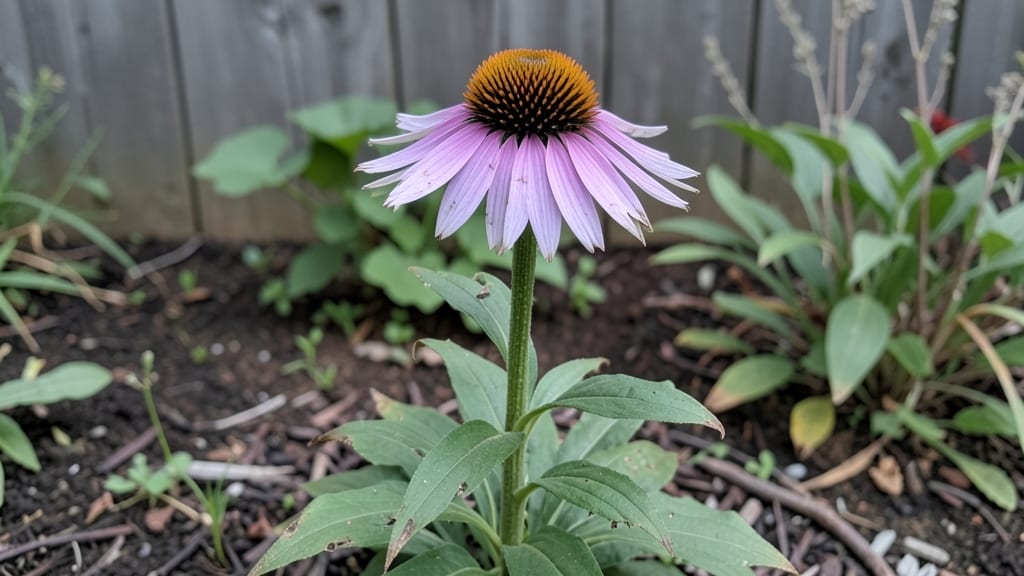
Those dried coneflower seed heads aren’t just pretty—they’re pollinator powerhouses that keep bees and birds fed through winter. ✨ I learned the hard way that cutting them back too early means missing out on their late-season benefits, so I now leave them standing until after the first frost.
The dried blooms add winter structure to gardens while providing seed for next year’s plants.
Harvesting is simpler than it looks: grab a pair of clean scissors and snip the stems just above the base in late fall. Store the seed heads in paper bags (not plastic) in a cool, dry spot until spring.
This method keeps seeds viable for up to a year, and you’ll avoid the heartbreak of moldy or pest-damaged blooms.
Once you’ve collected them, you’ve got options—plant the seeds for next summer’s blooms, tuck them into dried arrangements, or toss them into compost. My favorite? Using them in winter bouquets—they last months and add rustic charm to any space.
Pro tip: If you notice mold or pests, act fast—spray with a 50/50 water-vinegar mix and let dry completely before storing. A little prevention keeps your seed heads ready for their next purpose.
📚 In This Guide
- What you need
- Instructions
- Tips and common mistakes
- Wrapping up and next steps
What you need
- ● Mature coneflower plants (e.g., Echinacea purpurea, E. atrorubens, or Rudbeckia varieties) with fully developed seed heads (brown, papery, and dry-looking). Aim for 5–10 plants for a meaningful harvest.
- ● Pruning shears or sharp scissors – Clean, bypass-pruning type (avoid dull blades to prevent crushing seed heads).
- ● Brown paper bags (unbleached, 1–2 per plant) – Poke small holes in the bottom for airflow.
- ● Twine or rubber bands – To secure seed heads inside bags.
- ● Drying location – A shady, well-ventilated spot (e.g., garage, shed, or porch) with 50–70°F temperatures and low humidity.
- ● Glove – Protects hands from prickly stems (e.g., gardening gloves with grip).
- ● Labeling tags – Write plant names/dates if saving seeds for future planting.
- ● Seed collection tray – A fine-mesh screen or cardboard box to shake out seeds later.
- ● Spray bottle with water – For lightly misting seed heads if your climate is very dry during drying.
- ● Freezer bags – For long-term seed storage (if saving for planting next season).
How to preserve coneflower seed heads for pollinator food
Here's my go-to method for drying coneflower blooms—simple, effective, and perfect for your winter garden.
🌿 Step 1: Choose Healthy Seed Heads
Select coneflower seed heads that have fully matured but still retain their shape. Look for blooms that have turned from purple to a deep, papery brown—this means the seeds inside are ready for pollinators. Avoid heads that have split open or fallen apart, as they won't last long once dried.
I like to harvest on a dry morning after the dew has evaporated. This prevents moisture from weakening the stems and speeds up the drying process. Use clean, sharp pruners to snip stems about 6 inches long. This extra length gives you more control when arranging them later.
💧 Step 2: Clean and Prepare for Drying
Gently shake each seed head over a bucket or large bowl to remove any loose debris, spider webs, or damaged petals. You don’t need to be overly meticulous—just enough to ensure the heads look tidy and appealing. A soft brush helps remove dust and lingering insects.
Once cleaned, arrange the seed heads in a single layer on a flat surface, like a baking sheet or tray. Space them about 2 inches apart so air can circulate freely around each one. This prevents mold and ensures even drying.
☀️ Step 3: Dry in a Well-Ventilated Space
Place your tray in a dry, shaded spot with good airflow—like a covered porch, garage, or even a sunny windowsill with indirect light. Avoid direct sunlight, which can bleach the seed heads and make them brittle. You’ll know they’re ready when the stems snap cleanly when bent, and the seed heads feel light and papery.
This usually takes 2-3 weeks, depending on humidity. If your climate is damp, speed things up by placing a small fan nearby to gently circulate air. Just don’t blow directly on the seed heads—you’ll send them flying everywhere.
🪴 Step 4: Store for Winter Pollinators
Once fully dried, bundle the stems together with twine or rubber bands, leaving the seed heads exposed. Hang them in a dry, dark place like a closet or shed. They’ll stay fresh for months, ready to feed hungry birds and insects when food is scarce.
For extra impact, arrange a few in a vase with other dried blooms. The rustic texture adds charm to winter arrangements while keeping your garden’s ecosystem thriving. Just check them occasionally—if any seeds start falling out, it’s time to redistribute them outdoors.
Tips & tricks for perfectly preserved coneflower seed heads
Here's what I've learned after years of drying coneflower blooms—these little tricks make all the difference between seed heads that last and ones that crumble.
Timing is Everything: Harvest coneflower seed heads when they've turned that deep papery brown but before they split open. I've ruined batches by waiting too long—they just fall apart during drying. The 6-inch stems mentioned in Step 1 are perfect for handling without damaging the delicate blooms. Confession: I skipped this step for years and wondered why my dried flowers kept falling apart.
Airflow Secrets: The 2-inch spacing between seed heads in Step 2 isn't just about looks—it's about preventing mold. I learned this the hard way after storing damp seed heads that turned fuzzy. Place a small fan nearby if your space is humid, but keep it at least 1 foot away to avoid blowing the delicate blooms everywhere.
Drying Test: The stem snap test in Step 3 is your best friend. When the stems bend and snap cleanly, that's your cue they're ready. I've found that seed heads dried in cooler spaces (around 70°F) take the full 2-3 weeks, while warmer areas (above 75°F) can be ready in as little as 10-14 days. Just don't rush it—they need that time to fully dry out.
Storage Wisdom: Bundle stems with natural twine instead of rubber bands for better airflow. I store mine in brown paper bags in a cool closet—this keeps them dry while allowing any residual moisture to escape. Check them monthly during winter: if seeds start falling out, it's time to redistribute them to feed pollinators.
Pro Tips for Coneflower Seed Heads
- Here's what I've learned after years of drying coneflower blooms—these little tricks make all the difference between seed heads that last and ones that crumble.
- Timing is Everything: Harvest coneflower seed heads when they've turned that deep papery brown but before they split open.
- Airflow Secrets: The 2-inch spacing between seed heads in Step 2 isn't just about looks—it's about preventing mold.
Frequently asked questions
Got questions about keeping your coneflower seed heads standing tall and useful? Here are some of the most common queries—plus straightforward answers to keep your garden buzzing with life!
Why do coneflower seed heads stay upright so long?
Coneflower seed heads (like those of Echinacea) are designed to last! Their sturdy stems and woody structures resist bending, even in light snow or wind. This natural resilience makes them perfect for winter interest and pollinator support. Plus, their dried petals and seed clusters provide food and shelter for birds and insects year-round.
When is the best time to leave seed heads on coneflowers?
Leave them on until late winter or early spring (around March in most climates). This gives pollinators—like bees and goldfinches—plenty of time to forage. Once new growth emerges in spring, you can prune them back to encourage fresh blooms. Pro tip: If seed heads look messy, snip them in early spring before the plant puts energy into new shoots.
Do coneflower seed heads really attract pollinators in winter?
While fewer insects are active in winter, seed heads still offer seeds for birds and late-season bees. The dried petals and seed clusters provide structure for overwintering insects, and the seeds themselves are a snack for goldfinches and chickadees. Bonus: Leave a few seed heads until spring for early pollinators like bumblebees.
What can I do if my coneflower seed heads fall over?
If stems are flopping, try these fixes:
- Stake them: Gently tie stems to small bamboo stakes or twine near the base.
- Prune strategically: Cut back up to ⅓ of the stem in early spring to encourage bushier, sturdier growth.
- Choose the right variety: Taller coneflowers (like Echinacea purpurea) need more support than shorter types.
Can I use dried coneflower seed heads in floral arrangements?
Yes! Their rustic charm adds texture to winter bouquets. Let seed heads dry completely on the plant, then gently brush off debris. Pair them with eucalyptus, dried grasses, or berries for a natural, long-lasting arrangement. Fun fact: The seed heads’ papery petals hold their shape for months, making them ideal for dried flower crafts too.
Wrapping up and next steps
Coneflower seed heads are a game-changer for pollinator-friendly gardens, offering beauty and sustenance long after the blooms fade. 🌿 By preserving them, you create a year-round buffet for bees, birds, and butterflies—plus, their rustic charm adds texture to winter landscapes.
Whether you’re a seasoned gardener or just starting, these simple steps make it easy to turn spent blooms into eco-friendly treasures.
Ready to give it a try? Start small—pick a few seed heads this season and watch your garden thrive with life and color, even in the coldest months! 🌟