
Lawn
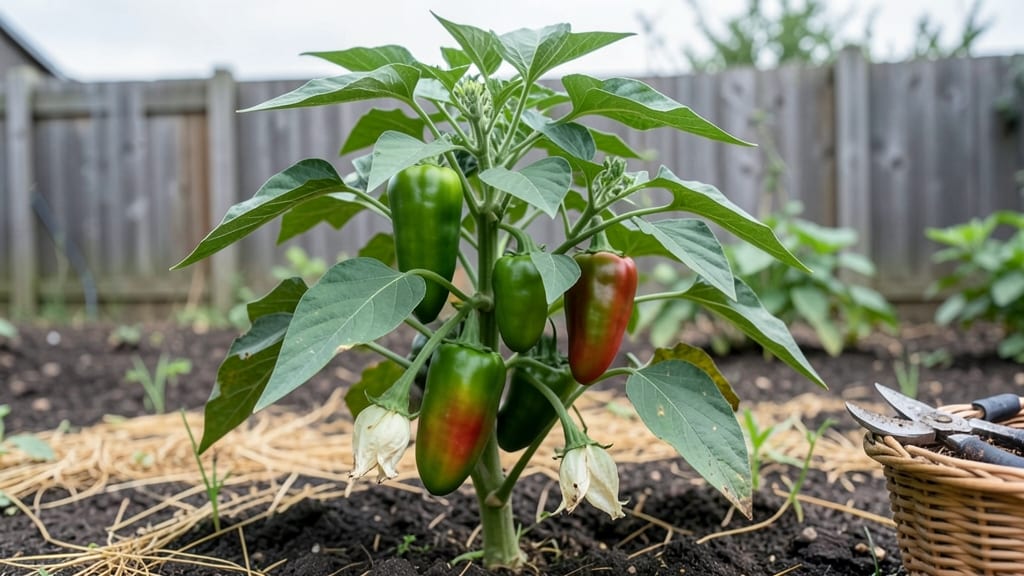
Growing mammoth jalapeño seeds from scratch delivers peppers the size of bananas—something store-bought plants can’t match. 🌱 I’ve grown these monsters for three seasons now, and the key lies in mimicking their native heat love while giving their roots room to spread.
These aren’t your average peppers; they need patience, space, and a little extra care to reach their full potential.
The secret starts with soil that drains fast but holds moisture—think 60% potting mix, 30% compost, and 10% perlite. Plant seeds just ¼ inch deep in warm soil (75°F or above), and keep them cozy under a heat mat until sprouts appear in 10–14 days.
Once seedlings hit 4 inches tall, transplant them into individual pots or a raised bed with at least 18 inches between plants—these giants need elbow room.
By month three, you’ll be harvesting peppers that weigh up to 1 pound each, with walls thick enough to slice for stuffing or roasting. The trick is consistent watering (1–1.5 inches per week) and staking or caging plants as they top 3 feet tall.
Heat waves? No problem—these peppers thrive in 90°F+ temps, but shade cloth helps prevent sunburn on young fruit.
Watch for common pitfalls like blossom-end rot (fix with calcium-rich fertilizer) or overcrowded plants (prune lower leaves to improve airflow). With the right setup, you’ll end up with a harvest that turns heads—and taste tests—at every summer gathering.
📚 In This Guide
- What you need
- Instructions
- Tips and common mistakes
- Wrapping up and next steps
What you need
- ● Mammoth Jalapeño Seeds: 3–5 seeds (ensure they’re fresh or from a trusted supplier).
- ● Seed Starting Mix: 1–2 quarts of sterile, well-draining potting soil (look for "seed starter" blends).
- ● Biodegradable Pots or Trays: 3–4 small pots (2–3 inches deep) or a seed tray with cell inserts.
- ● Grow Lights or Sunny Window: A full-spectrum LED grow light (12–16 hours/day) or a south-facing window with direct sunlight.
- ● Watering Can or Spray Bottle: With a fine mist nozzle for gentle hydration.
- ● Fertilizer: A balanced, water-soluble fertilizer (5-10-5 NPK ratio) or organic options like fish emulsion.
- ● Trowel or Small Spoon: For planting seeds without disturbing the soil.
- ● Humidity Dome or Plastic Wrap: To retain moisture while seeds germinate.
- ○ Thermometer (Optional): To monitor soil temperature (ideal: 70–85°F for germination).
- ● Pruning Shears (Later Stage): For trimming excess foliage or dead leaves.
- ● Warmth: Indoor seed starting requires a warm spot (70–85°F). Use a heat mat if needed.
- ● Patience: Germination takes 7–21 days—stay consistent with care!
- ● Space: Transplant seedlings outdoors or to larger pots (5+ gallons) after 6–8 weeks.
Step-by-Step instructions for growing Mammoth Jalapeño peppers
Here's how to grow those massive, heat-packed peppers in just 90 days.
🌱 Step 1: Start Seeds Indoors for Early Growth
Fill 2-inch deep seed trays with moistened seed-starting mix, then plant 2 seeds per cell at a depth of ¼ inch. Gently press the soil to secure them—don't pack it down too hard. Mammoth Jalapeños need warmth to germinate, so place the tray on a heat mat set to 75-85°F.
Cover the tray with plastic wrap to retain moisture and place it in a bright spot (a sunny windowsill works). You'll see sprouts in 7-14 days, but keep the soil consistently moist—not soggy—during this time. Once the seedlings have their first true leaves, thin to the strongest one per cell.
☀️ Step 2: Transplant After True Leaves Form
When seedlings have 3-4 true leaves (about 4-6 weeks after sowing), transplant them into 5-inch pots filled with well-draining potting mix. Handle the seedlings by their leaves to avoid damaging stems. Bury them just below the cotyledons (the first leaves) to encourage strong root growth.
Place the pots in a sunny window or under grow lights for 14-16 hours of light daily. Mammoth Jalapeños need plenty of light to grow thick, sturdy stems. If you notice leggy growth (long, thin stems with large gaps between leaves), your plants need more light or a shorter day cycle.
🪴 Step 3: Move to Larger Containers Before Outdoor Planting
About 2 weeks before your last frost date, transplant the seedlings into 1-gallon containers with fresh potting mix. These peppers need room to grow—Mammoth Jalapeños can reach 12+ inches long! Water deeply after transplanting to help roots establish in their new space.
Hardening off is critical: start by placing the containers outside in a sheltered spot for 1-2 hours the first day, gradually increasing time over 7-10 days. Watch for wilting or yellowing leaves—this means they're not ready for full sun yet. Once they're hardened off, you can plant them outdoors or keep them in containers.
✂️ Step 4: Support and Prune for Maximum Yield
Plant your Mammoth Jalapeños in full sun (6-8 hours daily) and stake them early with 3-foot tall supports. These peppers get heavy, so secure the stakes firmly. Prune suckers (the small shoots that form in the leaf axils) to direct energy into fruit production. You'll want to leave 1-2 main stems per plant.
Water deeply 1-2 times per week, ensuring the soil stays moist but not waterlogged. Mulch around the base to retain moisture and prevent weeds. Fertilize with a balanced, water-soluble fertilizer every 2-3 weeks once flowers appear. You'll see peppers forming in 60-75 days after transplanting.
🌿 Step 5: Harvest at Peak Heat and Size
Harvest when peppers reach 6-12 inches long and have a deep green color. Use pruning shears to cut the stem just above a leaf node to encourage more fruit. Wear gloves—these peppers pack serious heat! Store them in a cool, dark place for up to 2 weeks or freeze them for later use.
If you leave peppers on the plant too long, they'll turn red and lose some of their signature heat. For maximum yield, pinch off early flowers to encourage larger peppers. With proper care, you'll have a bumper crop of Mammoth Jalapeños ready for spicy dishes in just 3 months!
Tips & tricks for perfect Mammoth Jalapeño growth
Growing these monster peppers takes patience and precision—here's how to avoid common pitfalls and maximize your harvest.
Germination Secret: The 75-85°F heat mat is non-negotiable for germination. I've tried starting these seeds at room temperature (around 70°F), and it took nearly three weeks for sprouts to appear. Keep that soil warm and moist, and you'll see those first green shoots in just 7-14 days.
Lighting Strategy: Those 14-16 hours of daily light in Step 2 are crucial for preventing leggy seedlings. If your windowsill isn't bright enough, supplement with a basic LED grow light. I notice the biggest difference when plants get consistent light—they develop thick stems that can support those massive peppers later.
Transplanting Technique: When moving to 5-inch pots, don't just dump the seedlings in—bury them just below the cotyledons. This encourages stronger root growth right from the start. I learned this the hard way after transplanting too shallowly and ending up with weak stems that couldn't support the eventual fruit weight.
Hardening Off Hack: Start the hardening process gradually with just 1-2 hours of outdoor exposure on day one. I've seen beginners rush this and end up with shocked plants that wilt dramatically. The key is to mimic natural conditions—think of it as giving your plants a gentle vacation rather than throwing them into the deep end.
Pro Tips for Mammoth Jalapeno Seed
- Growing these monster peppers takes patience and precision—here's how to avoid common pitfalls and maximize your harvest.
- Germination Secret: The 75-85°F heat mat is non-negotiable for germination.
- Lighting Strategy: Those 14-16 hours of daily light in Step 2 are crucial for preventing leggy seedlings.
Frequently asked questions
Got questions about growing Mammoth Jalapeño seeds into giant peppers? You’re not alone! Here are answers to the most common queries to help you grow like a pro.
How long does it take for Mammoth Jalapeño seeds to germinate?
Expect germination in 7–14 days if kept in warm (70–85°F), moist conditions. Use a heat mat or sunny windowsill to speed things up. Patience is key—some seeds take longer, especially if stored improperly. Pro tip: Soak seeds overnight in warm water before planting for faster sprouts!
When should I transplant Mammoth Jalapeño seedlings outdoors?
Wait until all frost risk has passed and soil temps hit 60°F+ (usually late spring). Seedlings need 5–6 hours of sunlight daily and should be hardened off (acclimated to outdoor temps) for 7–10 days before moving. Troubleshoot: Yellow leaves? You’re transplanting too early—wait another week!
Why aren’t my Mammoth Jalapeños growing as big as expected?
Giant peppers need full sun (6+ hours/day), rich soil, and consistent watering (1–2 inches per week). Lack of growth often stems from:
- Poor soil: Amend with compost or a balanced fertilizer (like 10-10-10).
- Overcrowding: Space plants 18–24 inches apart for airflow.
- Nutrient deficiency: Yellow leaves? Add Epsom salt (magnesium) or fish emulsion.
Can I grow Mammoth Jalapeños in containers? What size pot do I need?
Yes! Use a 5-gallon pot or larger with drainage holes. Containers dry out faster, so water deeply daily in hot weather and use a liquid fertilizer every 2–3 weeks. Alternative: Grow in fabric pots for better root aeration. Just ensure the pot gets full sun and avoid plastic that traps heat.
What’s the best way to store Mammoth Jalapeño seeds for next year?
Clean seeds, dry them completely (3–5 days in a cool, dark place), then store in an airtight container with a desiccant packet in the fridge. Seeds stay viable for 2–3 years if kept dry. Pro tip: Label your container—Mammoth Jalapeños are easy to mix up with other peppers!
Wrapping up and next steps
Growing a mammoth jalapeño seed into a towering, flavor-packed pepper in just three months is a rewarding challenge—but now you’ve got the tools to make it happen! With the right soil, sunlight, and care, you’re well on your way to harvesting peppers that’ll impress even the most seasoned gardeners. 🌱
Ready to take the next step? Start by planting your seed within the next 2-3 weeks (timing is key for that summer harvest!). Then, stay patient, keep an eye on those vines, and soon, you’ll be enjoying the fruits—er, peppers—of your labor. Happy growing! 🌶️✨