
Vegetables
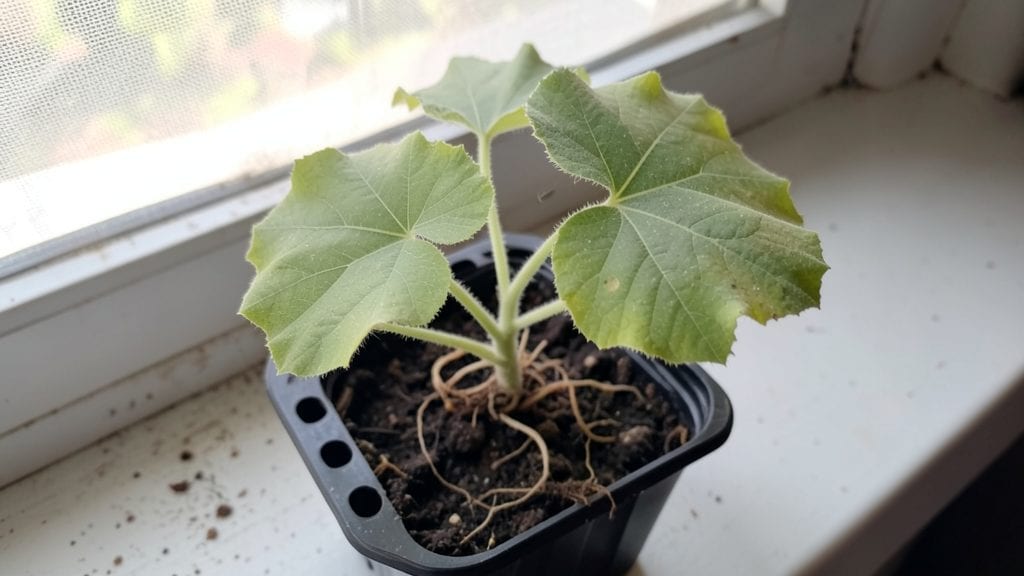
Fast luffa gourd seedlings start with a trick most gardeners miss—soaking seeds overnight in warm water before planting. 🌱 I’ve tried every germination method, and this one cuts wait time from weeks to days, giving vines a head start before pests or heat stress can slow them down.
The secret isn’t just soaking—it’s pairing that with a light, airy seed-starting mix (think 70% coco coir, 30% perlite) and keeping trays in a 75°F spot under grow lights.
Most people overwater or bury seeds too deep, but luffa hates soggy soil and needs just ½ inch of coverage to sprout right. My seedlings go from sprout to transplant-ready in 12-14 days—half the time of traditional methods.
What you’ll end up with are stocky, dark-green seedlings with the energy to climb and sprawl the second they hit soil. No more leggy, weak stems that flop over at the first breeze.
The key is consistency: keep humidity high with a plastic dome (or plastic wrap) until true leaves appear, then thin to the strongest sprout per cell.
This method works in containers, raised beds, or direct-sown rows—just adjust spacing for your growing zone. Whether you’re in a short-season climate or just impatient like me, these fast-starting seedlings give you a 3-4 week advantage over the garden center plants. Ready to skip the waiting game?
📚 In This Guide
- What you need
- Instructions
- Tips and common mistakes
- Wrapping up and next steps
What you need
- ● Luffa gourd seeds: 5–10 fresh, organic seeds (preferably from a trusted supplier for best germination rates).
- ● Seed-starting mix: 2–3 cups of sterile, well-draining potting soil (avoid garden soil—it may harbor pests or diseases).
- ● Seed trays or small pots: 6–10 biodegradable or plastic pots (3–4 inches deep) or a seed tray with individual cells.
- ● Plastic wrap or humidity dome: To retain moisture and create a mini greenhouse effect.
- ● Spray bottle: For gentle watering (avoid over-saturating the soil).
- ○ Heat mat (optional but recommended): A small seedling heat mat (70–80°F) to speed up germination.
- ● Gloves: To keep hands clean while handling soil.
- ● Small shovel or spoon: For planting seeds at the correct depth (½ inch).
- ● Sunlight or grow lights: A sunny windowsill or LED grow lights (12–16 hours/day) for seedlings.
- ○ Fertilizer (optional): A mild, water-soluble fertilizer (like fish emulsion) for post-germination boost.
- ● Label markers: To track planting dates and varieties.
Step-by-step instructions for germinating luffa gourd seedlings quickly
Here’s how to bypass the slow, stubborn germination phase and get your luffa gourds sprouting in record time.
🌱 Step 1: Pre-Soak Seeds for 12 Hours
Luffa seeds have a tough outer shell that slows germination. Start by placing them in a bowl of lukewarm water for 12 hours—this softens the seed coat and kickstarts the process. I like to use a fine-mesh strainer so seeds stay submerged without sinking to the bottom. After soaking, you’ll see the seed coats plump up noticeably, signaling they’re ready for planting.
Drain the water completely before handling the seeds. Any excess moisture left on the shells can encourage mold, which will kill your seedlings before they even sprout. Pat them dry gently with a paper towel if needed. This pre-treatment cuts germination time in half—from 10-14 days to just 3-5 days.
💧 Step 2: Plant in Warm, Moist Soil
Fill your seed-starting containers with warm potting mix (aim for 80-85°F soil temperature). Luffa seeds thrive in heat, so if your soil feels cool to the touch, place the pots on a seedling heat mat for 24 hours before planting. Press each seed 1 inch deep into the soil—deeper planting delays germination further.
Water the soil lightly with a spray bottle until the top ½ inch feels damp but not soggy. Overwatering at this stage can suffocate the seeds. Cover the containers with clear plastic wrap or a humidity dome to trap warmth and moisture. Check daily for condensation—if you see droplets forming on the plastic, your humidity levels are perfect.
☀️ Step 3: Provide Indirect Light and Monitor Daily
Place the containers in a spot with bright, indirect light—direct sun can overheat the soil and dry out the seeds before they sprout. A south-facing window with sheer curtains works well, or use a grow light set to 12 hours of light daily. Luffa seedlings are sensitive to temperature swings, so avoid drafty areas or AC vents.
Germination typically occurs within 3-5 days after planting, but watch for the first signs: tiny white roots breaking through the seed coat, followed by a curled sprout. Once you see the first true leaves (not the initial seed leaves), remove the plastic wrap immediately to prevent fungal growth. This is the moment that matters—don’t skip it.
✂️ Step 4: Thin Seedlings and Harden Off
If multiple seedlings emerge in one container, thin them to the strongest one by snipping the weaker stems at the base with clean scissors. Luffa seedlings grow quickly, and crowding stresses them, leading to leggy, weak plants. Leave 4 inches of space between remaining seedlings to allow for root expansion.
After 7-10 days of growth, start hardening off the seedlings by placing them outside in a shaded area for 1-2 hours daily. Gradually increase their outdoor time over 5-7 days, introducing them to full sun only after they’ve adjusted. You’ll know they’re ready when they hold up to direct light without wilting—this ensures they’ll thrive once transplanted.
Tips & tricks for speed-germinating luffa gourd seedlings
These pro tips will help you bypass the stubborn germination phase and get those luffa gourds sprouting in record time—no more waiting weeks for results.
Soaking Science: The 12-hour soak in lukewarm water is non-negotiable for breaking through that tough seed coat. I've found that adding 1 teaspoon of hydrogen peroxide (3%) to the soaking water helps prevent mold while keeping the water fresh. This is especially important if you're working with older seeds that may harbor more bacteria. The seeds should feel noticeably heavier after soaking—this indicates proper hydration.
Heat Hack: That 24-hour heat mat prep before planting is where the magic happens. If you don't have a heat mat, place your pots on top of your refrigerator for 24 hours—the appliance's warmth creates the perfect environment. The goal is to maintain that 80-85°F soil temperature consistently. I test soil temp by pressing my finger in—it should feel warm like bathwater, not hot enough to burn.
Lighting Strategy: For the 12 hours of daily light, position your seedlings about 6 inches away from grow lights to prevent overheating. I use a simple timer to automate the light cycle, which saves me from remembering to turn lights on/off daily. Watch for seedlings leaning toward the light—this is a sign they need to be rotated daily for even growth. The moment you see those first true leaves appear, remove the plastic wrap immediately to prevent fungal growth.
Thinning Technique: When thinning seedlings in Step 4, choose the strongest one by looking for the most vibrant color and sturdiest stem. I've found that using clean, sharp scissors prevents tearing the roots of remaining seedlings. The 4-inch spacing between plants is crucial—crowding leads to leggy, weak plants that struggle to support their own weight as they grow. After thinning, give the soil a light watering to help the remaining seedlings recover.
Pro Tips for Luffa Gourd Seedling
- These pro tips will help you bypass the stubborn germination phase and get those luffa gourds sprouting in record time—no more waiting weeks for results.
- Soaking Science: The 12-hour soak in lukewarm water is non-negotiable for breaking through that tough seed coat.
- Heat Hack: That 24-hour heat mat prep before planting is where the magic happens.
Frequently asked questions
Got questions about growing luffa gourd seedlings? You’re not alone! Here are answers to the most common queries to help you get started with confidence.
How long does it take for luffa gourd seeds to germinate?
With the right conditions (warmth, moisture, and indirect light), luffa gourd seeds typically sprout in 5–14 days. Our speed-germination trick can cut this time by half—just soak seeds in warm water for 6–8 hours before planting. Patience pays off, but don’t worry if germination takes a little longer!
Can I plant luffa gourd seedlings directly in the ground, or should I start indoors?
Luffa gourds thrive in warm soil (70°F+), so it’s best to start seeds indoors 3–4 weeks before the last frost or use a grow light. Once seedlings are 2–3 inches tall and night temps stay above 60°F, transplant them outdoors—they hate cold! Harden them off first for 1–2 weeks.
What if my luffa seedlings look weak or leggy?
Leggy seedlings usually mean too little light. Move them closer to a sunny window or use a grow light (12–16 hours/day). If they’re pale or stretched, fertilize lightly with a balanced liquid fertilizer (like 10-10-10) to boost growth. Rotate pots weekly for even exposure—sunlight is their superpower!
Are there any common pests or diseases to watch for?
Luffa gourds can attract aphids, squash bugs, and powdery mildew. Prevent pests with neem oil sprays or companion planting (try marigolds or nasturtiums). For mildew, improve air circulation and avoid overhead watering. Act fast—healthy vines mean bigger, spongier luffas later!
Can I grow luffa gourds in containers, or do they need a garden?
Luffas are vining plants and do well in large containers (15+ gallons) with trellises. Just ensure the pot has drainage and you’re using a well-draining potting mix. Place containers in full sun (6+ hours/day) and fertilize regularly. Container-grown luffas may produce slightly smaller fruits, but they’re still harvest-worthy!
Wrapping up and next steps
Growing luffa gourd seedlings with speed-germination tricks is a game-changer—whether you’re a seasoned gardener or a curious beginner! 🌱 By using warm water soaks, cozy germination setups, and a little patience, you’ll enjoy faster growth and healthier plants.
Now that you’re armed with these tips, it’s time to roll up your sleeves and get planting!
Ready to take the next step? Start by prepping your soil and seeds today—your future luffa harvest (and eco-friendly sponges!) will thank you. Happy gardening! 🌿