
Propagation
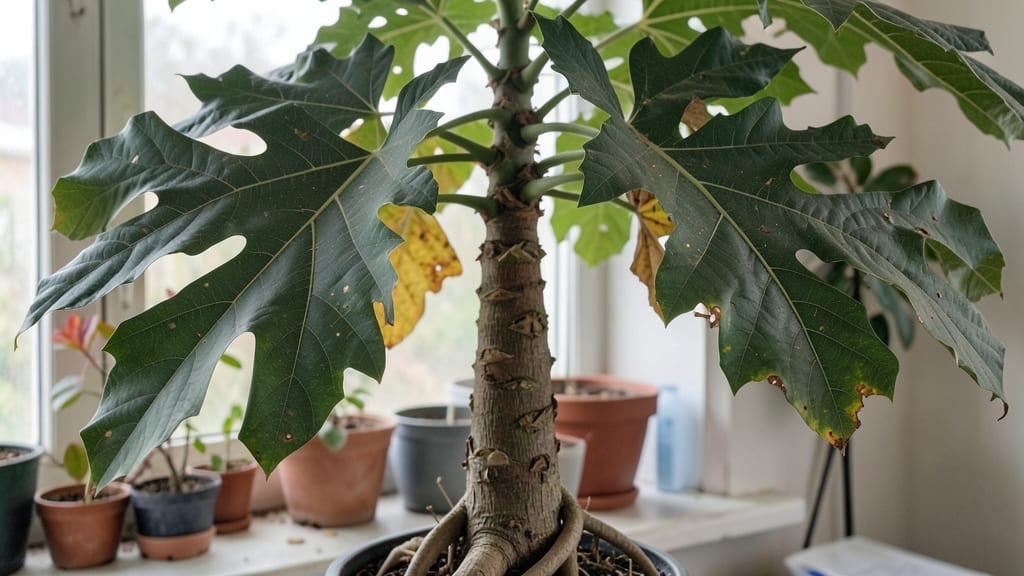
The secret to jackfruit seed germination lies in mimicking the tropics—warmth, moisture, and patience can turn stubborn seeds into saplings in weeks. The first few days decide everything, and getting this right means seeing those first leaves in under two weeks instead of months.
You’ll need a warm spot—think above 75°F—and a mix of 50% perlite to keep things airy while holding moisture. Too much water, and you’ll get mold; too little, and the seeds dry out.
I use a clear plastic bag to trap humidity without drowning the seeds, then check daily for condensation. That’s your sign you’ve got the moisture balance just right.
Once sprouted, those tiny seedlings are delicate but determined. You’ll see the first signs of life as a tiny white root, followed by a shoot breaking through the soil within 7-14 days.
Keep the soil evenly moist—not soggy, not dry—and avoid moving them until they’ve got at least two true leaves. That’s when they’re ready for their first real home.
This method works for both indoor growers and those in warm climates. The key is patience and precision—no rushing, no neglect. With the right setup, you’ll have a jackfruit seedling thriving before you know it. Here’s how to make it happen without the guesswork.
📚 In This Guide
- What you need
- Instructions
- Tips and common mistakes
- Wrapping up and next steps
What you need
- ● Jackfruit seeds: Fresh, firm seeds (preferably harvested from ripe fruit). Aim for 5–10 seeds to increase your chances of germination.
- ● Germination container: A shallow tray, plastic container with drainage holes, or even a damp paper towel (for pre-soaking). Size: at least 6 inches wide and 2 inches deep for 5–10 seeds.
- ● Potting mix: Well-draining, seed-starting mix (or a blend of 50% coco coir and 50% perlite). Avoid garden soil—it can compact and suffocate roots!
- ● Water: Room-temperature, filtered, or rainwater (avoid tap water with chlorine if possible).
- ○ Spray bottle: For gentle moisture application (optional but helpful for precision).
- ● Plastic wrap or humidity dome: To retain moisture during early stages. A clear plastic bag or cling film works!
- ○ Heat source (optional but recommended): A seedling heat mat (set to 75–85°F)
- ● Or a warm spot like near a south-facing window or on top of a fridge.
- ● Small pots or nursery trays: 2–3 inch diameter for transplanting seedlings once they sprout.
- ● Grow lights: If natural light is limited, a full-spectrum LED (12–16 hours/day) speeds up growth.
- ● Fungicide: A natural option like cinnamon powder or hydrogen peroxide (3%) to prevent mold.
- ● Seedling labels: To track planting dates and varieties (if experimenting with different seeds).
- ● Humidity tray: A shallow tray filled with pebbles and water to boost humidity around seedlings.
Step-by-step instructions for germinating jackfruit seeds
Warmth and moisture are your secret weapons—here's how to coax those stubborn seeds to sprout.
Select and Prepare Healthy Seeds
Start with plump, firm seeds from a fresh jackfruit. Avoid any that feel hollow or have cracks, as they won’t germinate. Rinse the seeds under cool water to remove any pulp residue, then let them dry completely on a paper towel for about 24 hours. This prevents mold from forming in the damp soil later.
I like to soak the seeds overnight in lukewarm water to soften the outer shell. This step speeds up germination by breaking down natural inhibitors in the seed coat. Drain them well before planting—waterlogged seeds can rot before they even sprout.
Create a Warm, Moist Germination Environment
Fill a small container with well-draining potting mix, leaving about 1 inch of space at the top. Jackfruit seeds need warmth to germinate, so place the container in a spot where the soil stays between 75-85°F. A seedling heat mat works wonders here, keeping the soil consistently warm without overheating.
Plant the seeds 1 inch deep, spacing them about 3 inches apart to avoid overcrowding. Water gently until the soil feels moist but not soggy—you should see slight dampness at the surface, not puddles. Cover the container loosely with plastic wrap to retain humidity, but leave a small gap for airflow to prevent mold.
Monitor Moisture and Wait for Sprouts
Check the soil every 2-3 days to ensure it stays moist. Jackfruit seeds need consistent moisture but will drown if left waterlogged. If the top inch feels dry, mist lightly with water. Avoid soaking the soil—just enough to keep it damp to the touch.
Germination can take 2-4 weeks, depending on warmth and moisture. You’ll know it’s working when you see a small crack in the seed coat, followed by a tiny sprout pushing through. Once the first true leaves appear, remove the plastic wrap immediately to prevent fungal growth.
Transplant Seedlings to Larger Pots
When seedlings reach about 4-6 inches tall and have 3-4 true leaves, it’s time to move them to individual 6-inch pots. Use the same well-draining potting mix, filling the pot to within 1 inch of the rim. Gently remove the seedling from its starter container, keeping the root ball intact to avoid damaging delicate roots.
Place the pot in bright, indirect light at first—direct sun can scorch young jackfruit seedlings. Water whenever the top 1-2 inches of soil feel dry, but avoid letting the roots sit in standing water. Within a few weeks, you’ll see stronger growth as the plant adjusts to its new home.
Maintain Ideal Growing Conditions
Jackfruit seedlings thrive in partial shade for the first year, with morning sun being ideal. Gradually introduce more sunlight as the plant matures, but avoid harsh afternoon rays. Keep the soil consistently moist, watering deeply 2-3 times per week during warm months and reducing slightly in cooler weather.
Fertilize lightly every 4-6 weeks with a balanced, water-soluble fertilizer to encourage healthy growth. You’ll know you’re on the right track when the plant develops broad, glossy leaves and a sturdy stem—signs of a strong, resilient jackfruit seedling ready for future transplanting.
Tips & tricks for perfect jackfruit seed germination
A few simple adjustments can make all the difference when coaxing stubborn jackfruit seeds to sprout.
Soaking Secrets: The overnight soak in lukewarm water isn't just optional—it's the key to breaking down those tough seed coats. I've found that using water between 85°F and 95°F works best, as cooler water takes longer to soften the shell while warmer water can start the germination process too soon. After soaking, always pat the seeds dry with a paper towel before planting to prevent any moisture from lingering on the shell.
Temperature Control: Maintaining that 75-85°F range is crucial, but don't assume your home environment will stay consistent. I recommend placing your seed container on a seedling heat mat set to 80°F, especially if your home tends to be cooler. You can also create a mini greenhouse effect by placing the container inside a larger plastic bag (with the same small air gap) to help trap warmth. Just remember to remove the plastic wrap when true leaves appear to prevent mold.
Moisture Monitoring: The 2-3 day check interval is perfect, but what you're really looking for is that "slight dampness" at the surface—not just dryness. I like to use my finger to test moisture: if the top inch of soil feels like a wrung-out sponge, it's perfect. Too dry? Mist lightly. Too wet? Let it sit uncovered for 30 minutes before re-covering. This balance is what keeps those seeds happy and ready to sprout.
Transplanting Timing: Waiting for 4-6 inches and 3-4 true leaves ensures your seedlings are strong enough to handle the move. When transplanting, I always fill the new 6-inch pot to within 1 inch of the rim with fresh well-draining mix, then gently press the soil around the roots to eliminate air pockets. This helps the seedlings establish themselves more quickly in their new home.
Pro Tips for Jackfruit Seed Germination
- A few simple adjustments can make all the difference when coaxing stubborn jackfruit seeds to sprout.
- Soaking Secrets: The overnight soak in lukewarm water isn't just optional—it's the key to breaking down those tough seed coats.
- Temperature Control: Maintaining that 75-85°F range is crucial, but don't assume your home environment will stay consistent.
Frequently asked questions
How long does it take for jackfruit seeds to germinate?
Jackfruit seeds typically sprout within 7–21 days under ideal conditions (warmth, moisture, and consistent humidity). Soak seeds for 24 hours before planting to speed up germination. If you don’t see sprouts in 3 weeks, check moisture levels—dry soil can delay growth. Patience is key!
Can I germinate jackfruit seeds faster?
Yes! Boost germination speed by:
- Soaking seeds in warm water for 24–48 hours before planting.
- Using a seedling heat mat (75–85°F) to mimic tropical warmth.
- Covering pots with plastic wrap to trap humidity.
- Planting in sphagnum moss or coconut coir (retains moisture better than soil).
What if my jackfruit seeds won’t sprout?
Try these troubleshooting steps:
- Check seed viability: Cut open a seed—if it’s hard and white inside, it’s likely viable. Soft or discolored seeds may be dead.
- Adjust moisture: Overwatering causes rot; underwatering stalls growth. Keep soil consistently damp (not soggy).
- Test temperature: Jackfruit seeds need warmth. If your home is cool, move pots to a sunny windowsill or use a heat source.
- Try a new batch: Some seeds lose viability over time. Buy fresh seeds from a trusted supplier.
Can I grow jackfruit from seeds in cold climates?
Jackfruit thrives in tropical climates (USDA Zones 10–11), but you can still try growing them indoors or in containers. Here’s how:
- Start seeds early (spring) in a warm, sunny spot.
- Use a grow light if natural light is limited (12+ hours/day).
- Move pots outdoors only after the last frost and bring them inside when temperatures drop below 50°F.
- Expect slower growth—jackfruit trees may take 5–10 years to fruit in cooler climates.
Are jackfruit seed sprouts edible?
While the seed itself is technically edible (used in some Asian cuisines), the sprouts are not commonly consumed. Focus on growing the plant for fruit! However, you can compost the sprouts or use them as mulch. The real prize? A homegrown jackfruit tree—just be patient!
Wrapping up and next steps
Germinating jackfruit seeds is a rewarding journey that combines patience with a few clever tricks—like warmth, moisture, and a dash of creativity! 🌱 With the right setup, you’ll soon watch tiny roots peek through, turning seeds into thriving plants.
Whether you’re growing for fruit, shade, or just the joy of nurturing life, your efforts will pay off in lush, tropical beauty.
Ready to take the next step? Plant those sprouted seeds in well-draining soil and keep them cozy under grow lights or in a sunny spot. Soon, you’ll be harvesting your own jackfruit—or sharing the magic with fellow plant lovers! 🌿✨