
Vegetables
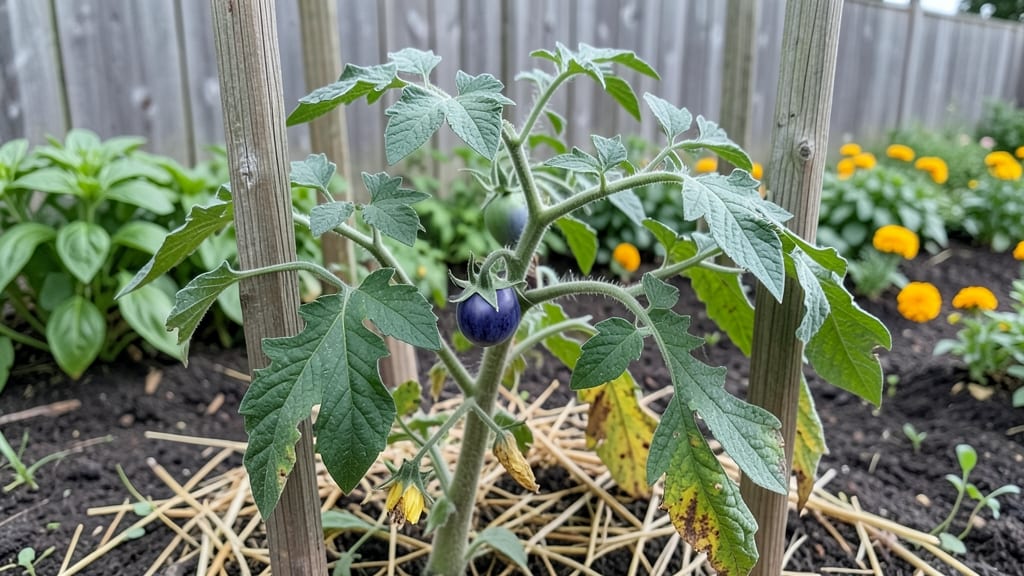
Growing blue tomato seeds from heirloom varieties like Indigo Apple starts with moisture-controlled sprouting—the secret to breaking through that tough seed coat and getting those deep purple blooms you crave. 🌱 I’ve learned that soaking seeds overnight in warm water cuts germination time in half, but the real magic happens when you balance dampness without drowning them in the early stages.
The trick isn’t just water—it’s consistency. Use a seed-starting mix that drains well but holds enough moisture to keep those tiny roots happy, and keep the soil temperature between 70-80°F for fastest sprouting. Too much water leads to mold; too little stunts growth.
My first batch of Indigo Apples took 12 days to crack the soil, but with this method, you’ll see green in 7-10 days—and those first leaves are always a thrill.
What you’re really after is that vibrant indigo hue turning into fruit, and it starts with strong seedlings. Proper light (14+ hours daily) and a sturdy cage or trellis prevent leggy plants, while pinching suckers early keeps energy in the main stem.
The payoff? Tomatoes that ripen to stunning shades of blue-purple, packed with antioxidants and a flavor profile all their own.
This method works for any heirloom tomato, from deep blues to smoky purples, and adapts to containers or in-ground planting. The key is patience—those seeds need time to develop their signature color, but the wait is worth every burst of blooms. Let’s get those seeds sprouting right.
📚 In This Guide
- What you need
- Instructions
- Tips and common mistakes
- Wrapping up and next steps
What you need
- ● Blue tomato seeds – 50-100 seeds (ensure they’re organic or heirloom for best results).
- ● Seed-starting mix – 2-3 cups of sterile, lightweight potting soil (avoid garden soil—it’s too dense!).
- ● Seed trays or small pots – 4-6 shallow containers (3-4 inches deep) with drainage holes.
- ● Spray bottle – 8-12 oz, for gentle watering (a fine mist setting is ideal!).
- ● Plastic wrap or humidity dome – To create a mini greenhouse effect.
- ● Grow lights or sunny windowsill – A spot with 6-8 hours of indirect light daily.
- ○ Small fan (optional but recommended) – For air circulation to prevent mold.
- ● Plant labels – To track your blue tomato seedlings.
- ● Fertilizer (balanced, water-soluble) – 1 tsp per gallon of water (use sparingly after sprouting!).
- ● Tweezers or small spoon – For careful seed placement.
- ○ Heat mat (optional) – Speeds up germination if your space is cool.
- ● Notebook or app – To log planting dates and growth progress.
Step-by-Step guide to germinating blue tomato seeds
Here’s how to coax those vibrant blue tomato seeds into lush seedlings with perfect moisture control.
🌱 Step 1: Prepare Your Containers and Soil Mix
Fill your 4-inch seedling trays with the 1 gallon of seed-starting mix—this lightweight, sterile blend is designed to hold moisture without compacting. Press it down gently with your fingers until the surface is firm but not packed. You want air pockets gone but roots to have room to grow.
I like to add a ½ teaspoon of perlite to each tray for extra drainage. This prevents waterlogging, which can drown seeds before they even sprout. Tap the tray lightly on the table to settle everything evenly. The soil should feel like a damp sponge—not soggy, not dry.
💧 Step 2: Plant the Seeds at the Right Depth
Sow 2 seeds per cell at a depth of ¼ inch—about the width of a dime. Planting too deep slows germination because the seedling has to push through more soil. Cover lightly with a sprinkle of additional mix, then mist the surface with a spray bottle until it’s evenly moist.
Here’s the thing—don’t water from above after this point. You’ll know moisture is right when the soil looks slightly damp but not glistening. Overwatering now can wash seeds away or bury them too deep. I place the tray in a shallow dish of water for 10 minutes to help the mix absorb evenly, then drain any excess.
☀️ Step 3: Create a Moisture Dome for Germination
Cover the tray with a clear plastic dome or plastic wrap to trap warmth and humidity. Blue tomato seeds germinate best at 75-80°F, so if your home runs cooler, place the tray on a seedling heat mat set to 70°F. You should see sprouts in 7-14 days—patience is key here.
Check daily but resist the urge to lift the dome. The trapped moisture keeps soil consistently damp without you having to water. Once 50% of seeds sprout, remove the dome immediately. Leaving it on too long invites damping-off, a fungal disease that collapses seedlings overnight. You’ll spot healthy sprouts when their first true leaves appear—those are your cues to adjust care.
🌿 Step 4: Transition to Bright, Indirect Light
Move the tray to a south-facing window or under a grow light once sprouts emerge. Blue tomato seedlings need 12-14 hours of light daily to prevent leggy growth. If using a grow light, keep it 2-3 inches above the plants and raise it as they grow to maintain that gap.
Leggy seedlings (thin, stretched stems) mean your light is too far away. You’ll notice them leaning toward the window or light source. Strong seedlings have thick stems and deep green leaves. Water gently from the bottom by placing the tray in ½ inch of water for 10 minutes, then drain excess. This keeps roots moist without overwatering.
⏰ Step 5: Harden Off Before Transplanting
Two weeks before your last frost date, start hardening off the seedlings. Place them outside in a sheltered, shaded spot for 1-2 hours the first day, then gradually increase outdoor time by 1 hour daily over 10-14 days. This slows their transition to outdoor conditions.
Watch for wilting or yellowing leaves—this means they’re not ready. Once seedlings tolerate a full day outside without stress, they’re ready for the garden. Transplant on an overcast afternoon to reduce shock, and water deeply at the base. Your blue tomatoes will reward you with vibrant blooms and sweet fruit!
Tips & tricks for perfect blue tomato seed germination
Here's what I've learned after nurturing dozens of blue tomato seedlings—small details make all the difference when it comes to moisture control.
Soil Moisture Secret: In Step 1, when filling your 4-inch trays with 1 gallon of seed-starting mix, press it just until firm—not packed. The goal is to eliminate air pockets while maintaining that perfect damp sponge consistency. After adding the ½ teaspoon of perlite, give the tray a few gentle taps to settle everything. This ensures even moisture distribution right from the start, preventing dry pockets where seeds might fail to sprout.
Planting Precision: The ¼-inch planting depth in Step 2 is critical—any deeper and your seeds struggle to push through the soil. I use a toothpick to make tiny holes for each of the 2 seeds per cell, then cover them with just enough mix to barely conceal them. After misting, I place the tray in a shallow dish of water for exactly the 10 minutes specified. This bottom-watering method hydrates the soil evenly without disturbing the seeds, giving you that ideal moist-but-not-soggy environment.
Temperature Troubleshooting: Maintaining that 75-80°F range in Step 3 can be tricky if your home runs cooler. If your seedlings aren't sprouting within the 7-14 day window, place the tray on a seedling heat mat set to 70°F under the plastic dome. I've found that even a 5°F drop below 75°F can delay germination by several days. The dome creates a microclimate—just remember to remove it immediately when you see 50% sprouting to prevent damping-off disease.
Light Transition Tip: When moving to Step 4's 12-14 hours of light, I recommend starting with a grow light 2-3 inches above the seedlings. Watch closely for leggy growth—the telltale sign your light isn't close enough. For bottom-watering, I use a shallow tray with just ½ inch of water for exactly 10 minutes, then drain completely. This mimics natural rainfall without overwatering, keeping those roots happy and healthy.
Pro Tips for Blue Tomato Seeds
- Here's what I've learned after nurturing dozens of blue tomato seedlings—small details make all the difference when it comes to moisture control.
- Soil Moisture Secret: In Step 1, when filling your 4-inch trays with 1 gallon of seed-starting mix, press it just until firm—not packed.
- Planting Precision: The ¼-inch planting depth in Step 2 is critical—any deeper and your seeds struggle to push through the soil.
Frequently asked questions
Got questions about growing blue tomato seeds?
You’re not alone—these striking heirlooms need a little extra care! Below are answers to the most common queries to help you nurture vibrant blooms and juicy fruits from start to finish.
How long do blue tomato seeds take to germinate?
Blue tomato seeds typically germinate in 7–14 days under ideal conditions (warmth, moisture, and darkness). Keep soil consistently moist but not soggy, and maintain temperatures around 70–85°F (21–29°C). Patience is key—some varieties may take slightly longer!
Can I grow blue tomatoes in cold climates?
but with adjustments! Start seeds indoors 8–10 weeks before the last frost and use black plastic mulch or row covers to extend the season. Choose cold-tolerant varieties like 'Blue Beauty' and opt for container gardening if your growing zone is below Zone 7.
Why aren’t my blue tomato seeds sprouting?
Check these common culprits:
- Temperature too low (below 60°F/15°C)
- Overwatering (seeds need air to breathe)
- Old or stored seeds (test viability with a paper towel germination test)
- Poor soil contact (press seeds lightly into moist soil)
What’s the best soil mix for blue tomato seeds?
Use a light, well-draining mix like:
- 50% peat moss or coco coir
- 30% perlite or vermiculite (for aeration)
- 20% compost or worm castings (for nutrients)
What if I can’t find blue tomato seeds?
No worries! Try these alternatives:
- Heirloom purple/black tomatoes (e.g., 'Black Krim' or 'Purple Cherokee')—they’re easier to find and share similar traits.
- Seed swaps (check local gardening groups or Seed Savers Exchange).
- Online seed banks like Baker Creek or Rare Seeds.
Wrapping up and next steps
Growing blue tomato seeds is a rewarding journey that blends creativity with horticultural science—especially when mastering moisture control for those stunning blooms! By following the right techniques, you’ll nurture vibrant plants that thrive and produce unique, eye-catching fruits.
Whether you’re a seasoned gardener or just starting out, this process is all about patience and passion.
Ready to dive in? Start small—plant a few seeds in a controlled environment, observe their progress, and let your green thumb shine! 🌱 With each sprout, you’re not just growing tomatoes; you’re cultivating a little piece of nature’s magic. Happy gardening!