
Trees
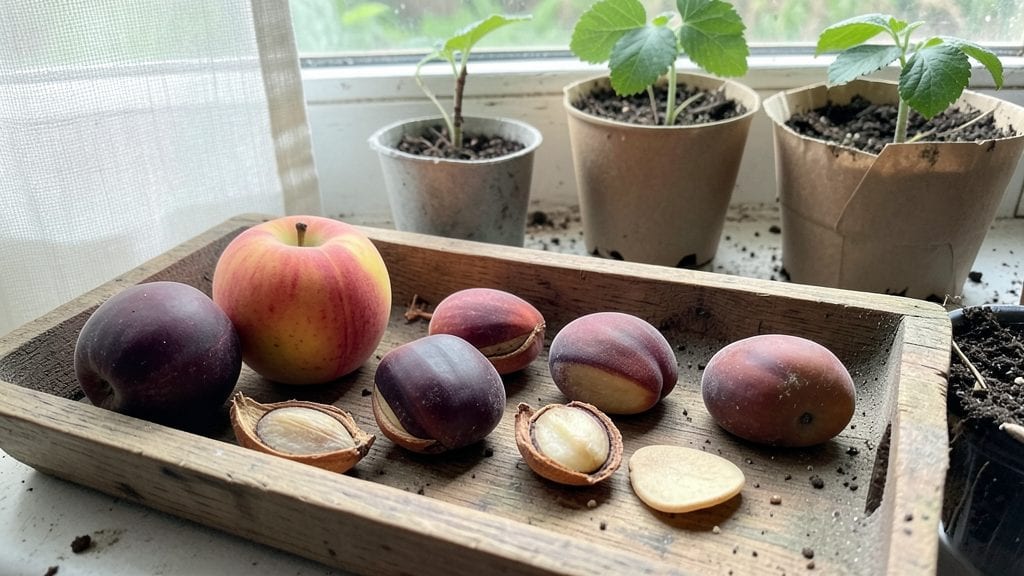
Growing fruit trees from seeds unlocks a rewarding challenge that pays off with homegrown fruit in just three years. 🌱 I’ve started apple, peach, and citrus trees from seed—each one a patient project that teaches me more about nature’s timing than any nursery-bought sapling ever could.
The process starts with selecting the right seeds, where store-bought fruit often fails and heirloom varieties shine.
You’ll need basic supplies: a warm, sunny spot, well-draining soil mix, and a bit of time—some seeds take weeks to sprout while others need cold stratification first. Citrus seeds germinate fastest in 3-4 weeks if kept warm, while apple seeds may need 6-8 weeks of patience before breaking through soil.
The key is consistency: keep soil moist but never soggy, and provide bright light from the start.
By year three, you’ll watch your seedling transform into a sturdy young tree with the potential for fruit—though it may take another year or two before the first harvest. The payoff?
Trees that grow true to their parent’s flavor, adapted to your local climate, and the quiet satisfaction of nurturing something from a single seed to a thriving orchard.
This method works best for stone fruits (peaches, plums) and citrus, though apples and pears can be trickier. If you’re ready to trade speed for the joy of growing from scratch, here’s how to turn seeds into trees that feed your family for decades.
📚 In This Guide
- What you need
- Instructions
- Tips and common mistakes
- Wrapping up and next steps
What you need
- ● Fruit tree seeds: 10–20 viable seeds per variety (e.g., apple, citrus, peach, or avocado—check seed viability first!)
- ● Pro tip: Some seeds (like avocado) need pre-treatment—see our seed prep guide!
- ● Growing containers: 3–5 small pots (4–6 inches deep) with drainage holes (for seed germination)
- ● 1 large container or nursery bed (12+ inches deep) (for saplings)
- ● Potting mix: 1 bag of seed-starting mix (sterile, peat-based or coconut coir blend)
- ● 1 bag of well-draining garden soil (for transplanting)
- ● Tools: Small hand trowel or spoon (for planting seeds)
- ● Spray bottle (for gentle watering)
- ● Pruning shears (for future shaping)
- ● Watering can or hose: With a fine-mist nozzle for delicate seedlings.
- ● Grow lights or sunny windowsill: 6–8 hours of light daily (critical for germination!).
- ● Plant labels: Waterproof markers + stakes (to track varieties).
- ● Seed stratification kit: For seeds needing cold treatment (e.g., apple, cherry).
- ● Humidity dome or plastic wrap: To retain moisture during germination.
- ● Fertilizer: Balanced liquid fertilizer (e.g., 10-10-10) (once seedlings sprout)
- ● Slow-release granules (e.g., organic compost) (for transplanting).
- ● Mulch: Straw or wood chips (to protect young trees).
- ● Tree supports: Stakes + ties (for windy climates).
- ● Soil pH test kit: To ensure optimal growing conditions (most fruit trees prefer 6.0–7.0).
Step-by-step instructions for growing fruit trees from seeds
Here's how to turn seeds into strong, productive fruit trees in just three years.
🌱 Step 1: Collect and Stratify Seeds for Germination
Gather fresh seeds from ripe fruit—apples, peaches, or citrus work best. Remove any pulp and rinse them thoroughly. I like to store seeds in a paper towel inside a sealed container with a damp sponge to maintain moisture. Place them in the refrigerator for 6-12 weeks (this mimics winter dormancy and breaks seed dormancy). This step is critical—skipping it means waiting months longer for germination.
Check seeds weekly. If they start to sprout, remove them immediately and plant. If not, keep them refrigerated until you see tiny white roots emerging. The goal is to catch them at the root-hair stage—this ensures faster growth once planted.
💧 Step 2: Plant Stratified Seeds in Moist Potting Mix
Fill a 4-inch deep container with sterile seed-starting mix (never garden soil—it’s too dense). Moisten it until damp but not soggy. Plant each seed about ½ inch deep, spacing them 2 inches apart in the container. Gently press the soil around them to ensure good contact.
Place the container in a warm, sunny spot—65-75°F is ideal. Keep the soil consistently moist by misting lightly every 2-3 days (don’t let it dry out, but avoid soggy conditions). Germination can take 2-8 weeks, depending on the fruit type. Patience here pays off—rushing watering leads to rot.
☀️ Step 3: Transplant Seedlings to Larger Pots
Once seedlings reach 3-4 inches tall (usually after 8-12 weeks), carefully transplant them into 6-inch pots with fresh potting mix. Use a small trowel to loosen the soil around the roots before transferring. This prevents root damage and ensures smoother growth.
Place the pots in full sun (at least 6 hours daily) and keep the soil moist but well-drained. Fertilize lightly with a balanced, water-soluble fertilizer (diluted to half strength) every 4-6 weeks to encourage strong root and stem development. Avoid over-fertilizing—young trees are sensitive to excess nutrients.
🪴 Step 4: Acclimate and Plant Outdoors
After 12-18 months, when seedlings are 2-3 feet tall, they’re ready for the ground. Choose a sunny spot with well-draining soil and dig a hole twice as wide as the root ball but no deeper. Gently place the seedling in, backfill with soil, and water deeply.
Mulch around the base with 2-3 inches of organic mulch to retain moisture and suppress weeds. Water 2-3 times weekly for the first month, then taper to once weekly once established. Young trees need consistent moisture to develop strong roots—don’t let the soil dry out completely.
⏰ Step 5: Prune and Care for Fruit Production
Prune in late winter or early spring to shape the tree and encourage strong branching. Remove any dead, crossing, or weak branches with clean, sharp pruners. Aim for an open center to allow sunlight to reach all parts of the tree—this ensures better fruit set.
Fruit trees grown from seed may take 3-5 years to bear fruit (longer than grafted trees), but the wait is worth it. Thin young fruit to 6-8 inches apart once they appear—this prevents overcrowding and promotes larger, healthier fruit. Be patient; consistent care now means bountiful harvests later.
Tips & tricks for growing fruit trees from seeds
These simple strategies will help you avoid common pitfalls and maximize your fruit tree's potential from the very first seed.
Seed Selection Matters: Not all fruit seeds are created equal—citrus seeds often produce trees that don't bear true-to-type fruit, while apple and peach seeds have better success rates. For the most reliable results, start with seeds from heirloom varieties rather than hybrid fruits from grocery stores. I've found that apple seeds from locally grown fruit produce the most vigorous seedlings.
Stratification Timing Secret: The 6-12 week refrigeration period in Step 1 is your secret weapon. Place a small piece of tape on the container with the date you started stratification—this helps track progress. Some seeds may sprout within 6 weeks, while others need the full 12 weeks. The key is catching those tiny white root hairs before they emerge too far, which can damage the seedling when planting.
Germination Environment: Maintain that 65-75°F range consistently during germination (Step 2). A sunny windowsill works, but if your home runs cooler, consider using a seedling heat mat set to 75°F underneath the container. Too-cold conditions slow germination, while temperatures above 80°F can cause mold. I've learned this the hard way—my first batch of peach seeds took 10 weeks to germinate because my kitchen stayed around 60°F!
Transplanting Technique: When moving seedlings to 6-inch pots in Step 3, use the "root loosening" method: gently tease apart the roots with your fingers before placing in the new pot. This prevents root circling, which can stunt growth. Water thoroughly after transplanting, but don't let the soil stay soggy—this is when most young seedlings fail. I've found that using a spray bottle for the first week after transplanting helps maintain even moisture without disturbing the delicate roots.
Pro Tips for Fruit Trees Seeds
- These simple strategies will help you avoid common pitfalls and maximize your fruit tree's potential from the very first seed.
- Seed Selection Matters: Not all fruit seeds are created equal—citrus seeds often produce trees that don't bear true-to-type fruit, while apple and peach seeds have better success rates.
- Stratification Timing Secret: The 6-12 week refrigeration period in Step 1 is your secret weapon.
Frequently asked questions
Got questions about growing fruit trees from seeds? You’re not alone! Here are some of the most common queries—and their straightforward answers—to help you get started on your year-round harvest journey.
How long does it take for a fruit tree grown from seed to bear fruit?
Patience is key! Most fruit trees grown from seeds take 3 to 5 years to bear fruit, though some varieties (like citrus or stone fruits) may take longer—up to 7 years. Grafting a known variety onto your seedling can cut this time in half and guarantee fruit quality. Start with fast-growing seeds like apple or pear for quicker rewards!
What’s the best time of year to plant fruit tree seeds?
The ideal window is late winter or early spring, just as the soil begins to thaw but before the last frost. For tropical seeds (like mango or avocado), plant in spring or summer when temperatures stay above 60°F (15°C). If you’re in a colder climate, consider starting seeds indoors 8–12 weeks before the last frost for a head start.
Can I grow a fruit tree from any seed I find at the grocery store?
Not all store-bought seeds will grow into true-to-type fruit trees. Many commercial fruits are hybrids or treated to prevent germination. For best results, source seeds from organic, heirloom, or seed-saving varieties—or better yet, collect seeds from homegrown or local fruit trees. Save seeds from apples, pears, or citrus for reliable growth!
What should I do if my seedling isn’t growing or looks unhealthy?
Don’t panic! Common issues include overwatering, poor drainage, or pests. Check for yellowing leaves (often a sign of overwatering) or chewed foliage (pests like aphids or spider mites). Adjust care by watering only when the top inch of soil is dry and treating pests with neem oil or insecticidal soap. If growth stalls, ensure your seedling gets 6+ hours of sunlight daily.
Are there any fruit trees that grow well from seeds in small spaces?
Dwarf varieties like columnar apples, bush citrus, or patio-friendly figs thrive in containers or small yards. Even full-sized trees can be pruned to fit limited spaces. For seeds, try dwarfing rootstocks (like those for peaches or plums) to keep your tree manageable. Just ensure containers are at least 18–24 inches deep with drainage holes!
Wrapping up and next steps
Growing fruit trees from seeds is a rewarding journey that connects you to nature while unlocking a year-round harvest in just three years!
With patience, the right tools, and a little care, you can nurture life from something as small as a seed—turning your backyard into a lush, fruiting paradise. 🌱✨
Ready to take the next step? Start by choosing your favorite fruit seeds and gathering your supplies. Then, follow the step-by-step guide to plant with confidence. Whether you’re a seasoned gardener or a curious beginner, every seed you sow today could be the start of tomorrow’s delicious bounty. Happy growing!