
Lawn
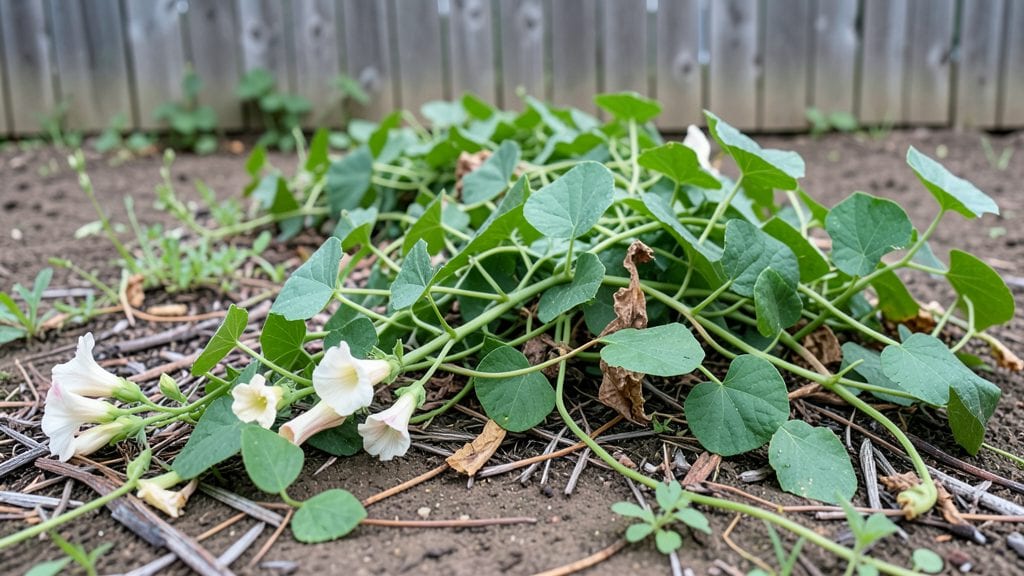
Field bindweed seeds are the last thing you want sprouting in your lawn—this aggressive invader can take over in months if left unchecked. 🌱 I’ve battled it for years, and the key isn’t just pulling what you see but stopping the hidden roots and seeds before they spread.
The good news? With the right approach, you can reclaim your yard in just three months.
This weed thrives underground, sending roots deeper than most plants grow. You’ll need a few tools: a sturdy garden fork, a sharp spade, and a heavy-duty tarp or mulch to smother regrowth. The process takes patience, but it’s worth it—no more tangled vines choking your grass or flowers.
I’ve tried everything from vinegar sprays to herbicides, and some methods work better than others for long-term control.
By the end of the season, you’ll have a lawn free of bindweed’s telltale arrowhead-shaped leaves and silvery stems. The secret is consistency: check for new shoots weekly, especially after rain, and keep those roots buried.
Your grass will thank you with thick, green growth where bindweed once ruled. Let’s get started on your weed-free revival.
Works for lawns, garden beds, and even around patios—just adjust the timing for your climate. Warmer regions see faster regrowth, so double-check those corners after mowing. You’ve got this!
📚 In This Guide
- What you need
- Instructions
- Tips and common mistakes
- Wrapping up and next steps
What you need
- ● Field bindweed seed identification kit (or a reliable gardening app for verification)
- ● Heavy-duty gloves (nitrile or leather, size medium or large)
- ● Safety goggles (ANSI-rated for debris protection)
- ● Garden fork or dandelion digger (sturdy, 12-18" tines)
- ● Shovel or spade (flat-edged, 10-12" wide)
- ● Pruners or loppers (bypass blades, 8-10" length)
- ● Organic mulch (straw, wood chips, or shredded leaves—2-3 inches thick)
- ● Post-emergent herbicide (glyphosate-based, 1-2 gallons per 1,000 sq. ft.—follow label instructions)
- ○ Broadcast spreader (for even herbicide application, optional but recommended)
- ● Watering can or hose (with adjustable nozzle for spot-watering)
- ● Heavy-duty trash bags (30-50 gallon size for debris disposal)
- ● Labeling tape & markers (to mark treated areas for 30 days)
- ● Vinegar solution (20% acetic acid, for spot treatments—test on a small area first)
- ● Smaller hand weeder (for precision removal in tight spaces)
- ● Soil solarizer kit (clear plastic sheeting, for extreme infestations)
- ● Compost or grass clippings (to smother regrowth after treatment)
- ● Lawn aerator (to improve herbicide absorption, rent or borrow if needed)
Step-by-Step guide to reviving your lawn using field bindweed seeds
Here’s how to transform your lawn into a lush, weed-resistant space in just three months.
🌱 Step 1: Clear Existing Weeds and Prepare the Soil
Start by removing all visible weeds, including bindweed, using a garden fork or hand-pulling method. Focus on the roots—any remaining fragments will regrow. After clearing, loosen the top 4-6 inches of soil with a rake or tiller to aerate it. This step is critical because bindweed thrives in compacted soil, so breaking it up prevents future invasions.
Test the soil’s pH using a simple kit—ideal levels for bindweed seeds are between 6.0 and 7.0. If your soil is too acidic or alkaline, adjust it with lime or sulfur before planting. A well-prepared bed ensures the seeds germinate evenly and grow strong from the start.
💧 Step 2: Plant Field Bindweed Seeds at the Right Depth
Scatter the seeds evenly over the prepared area, aiming for about 10 seeds per square foot. Lightly press them into the soil with a rake or your hand—don’t bury them deeper than ¼ inch. Bindweed seeds need light to germinate, so covering them too deeply will delay or prevent sprouting.
Water the area immediately after planting to settle the seeds into the soil. Use a gentle spray or a fine-mist setting on your hose to avoid washing them away. Keep the soil consistently moist—not soggy—for the first 2 weeks. You’ll know it’s right when the surface stays damp but doesn’t form puddles.
☀️ Step 3: Provide Sunlight and Monitor Growth
Bindweed thrives in full sun to partial shade, so choose a location that gets at least 6 hours of sunlight daily. If your lawn has shaded spots, thin out the seedlings slightly to ensure the strongest plants get priority. Watch for the first signs of growth—tiny heart-shaped leaves will appear in 7-14 days.
Once the seedlings reach 2-3 inches tall, thin them to 6 inches apart to give each plant room to spread. This step is key because overcrowding leads to weak plants that struggle to outcompete weeds. Mulch lightly with ½ inch of straw or grass clippings to retain moisture and suppress new weeds.
✂️ Step 4: Maintain and Encourage Spread
Water the lawn deeply once a week during dry spells, aiming for 1 inch of water per week. Bindweed is drought-tolerant once established, but consistent moisture helps it establish a strong root system early on. Avoid overwatering, which can lead to fungal issues or rot.
After 3 months, the bindweed should form a dense mat, crowding out weeds naturally. At this stage, you can mow it like a lawn—set your mower to 3-4 inches high to encourage bushier growth. The thicker the bindweed grows, the fewer weeds will find space to take root.
🪴 Step 5: Transition to a Weed-Free Lawn
By month 4, the bindweed will have fully established. If you want to replace it with grass or another ground cover, carefully dig up sections of the bindweed and replant your desired lawn. Alternatively, let it grow as a low-maintenance, weed-blocking ground cover—it’s drought-resistant and requires minimal care.
To prevent bindweed from spreading beyond your lawn, trim the edges regularly with a string trimmer or edging tool. With consistent upkeep, your lawn will stay weed-free for years, and the bindweed will act as a natural barrier against future invaders.
Tips & tricks for perfect field bindweed lawn revival
Here’s what I learned after transforming my own weed-infested lawn—these tricks make all the difference in getting that weed-free mat you want.
Root Removal is Non-Negotiable: In Step 1, when clearing existing weeds, take your time with bindweed roots. These plants can regrow from even tiny fragments left behind. Use a fork to dig deep—aim for at least 6 inches—and check for any white, stringy roots. I learned this the hard way after seeing bindweed pop up again just weeks after "clearing" it.
The Light Touch for Seeds: During Step 2, resist the urge to bury those seeds too deeply. Bindweed seeds need light to germinate, so keep them pressed just ¼ inch below the surface. I once planted mine ½ inch down and waited weeks for sprouts—don’t make my mistake! Use your hand or a light rake to press them gently.
Moisture Balance is Key: Those first 2 weeks after planting are critical. You want the soil to stay damp but never soggy—think of it like a wrung-out sponge. I use a spray bottle to check: if water beads up on the surface, you’re overdoing it. Too much moisture can cause rot, while too little means seeds won’t germinate. A simple soil moisture meter helps if you’re unsure.
Thinning Pays Off: When your seedlings reach 2-3 inches in Step 3, don’t skip the thinning. I know it’s tempting to leave them crowded, but weak plants won’t outcompete weeds. Space them 6 inches apart and use the thinned seedlings as cuttings to fill in bare spots later. This creates that thick mat we’re all after.
Pro Tips for Field Bindweed Seed
- Here’s what I learned after transforming my own weed-infested lawn—these tricks make all the difference in getting that weed-free mat you want.
- Root Removal is Non-Negotiable: In Step 1, when clearing existing weeds, take your time with bindweed roots.
- The Light Touch for Seeds: During Step 2, resist the urge to bury those seeds too deeply.
Frequently asked questions
Got questions about tackling field bindweed seed and reclaiming your lawn? You’re not alone—this persistent weed stumps even the greenest thumbs! Below, we’ve rounded up the most common queries to help you strategize like a pro.
How do I know if my lawn has field bindweed seeds?
Field bindweed seeds are tiny (1/8-inch) and resemble grain-like kernels. If you spot silvery-white, heart-shaped leaves or twining vines in your yard, you’re likely dealing with bindweed. Dig up suspicious areas—seeds may still be dormant in the soil for years.
How long does it take to kill field bindweed seeds?
Patience is key! While mature vines may die within 2–4 weeks with consistent treatment, seeds can linger in the soil for 5+ years. Focus on annual pre-emergent herbicides (applied in early spring) and post-emergent sprays for new sprouts. Repeat for 3–5 seasons to break the seed cycle.
Are there natural ways to remove field bindweed seeds?
Yes, but act fast! Manual removal (digging roots deep) works for small patches, while vinegar-based herbicides (20–30% acetic acid) can kill young plants. For seeds, solarization (covering soil with clear plastic for 4–6 weeks in summer) or smothering with thick mulch may weaken them over time.
Will field bindweed seeds spread to my neighbor’s yard?
Absolutely—wind, water, and wildlife can carry seeds up to 100 feet! Notify neighbors if bindweed is rampant, and contain the spread by treating early. Mow high (3–4 inches) to shade out new growth and avoid tilling, which buries seeds deeper.
What’s the best herbicide for field bindweed seeds?
Look for glyphosate-based (e.g., Roundup) or 2,4-D + dicamba mixes for post-emergent control. For pre-emergent, pendimethalin or prodiamine (applied in early spring) can prevent seeds from germinating. Always follow label instructions—overuse can harm desirable plants!
Wrapping up and next steps
Field bindweed seeds may seem like a stubborn challenge, but with the right tools and persistence, you can reclaim your lawn in just three months! 🌱 By combining manual removal, targeted herbicides, and preventive measures, you’ll break the cycle of this invasive weed.
Stay consistent—your hard work will pay off with a lush, weed-free yard.
Ready to take action? Start by assessing your lawn this weekend and picking one method from this guide to tackle bindweed today. Small steps lead to big results—you’ve got this! 💪