
Lawn
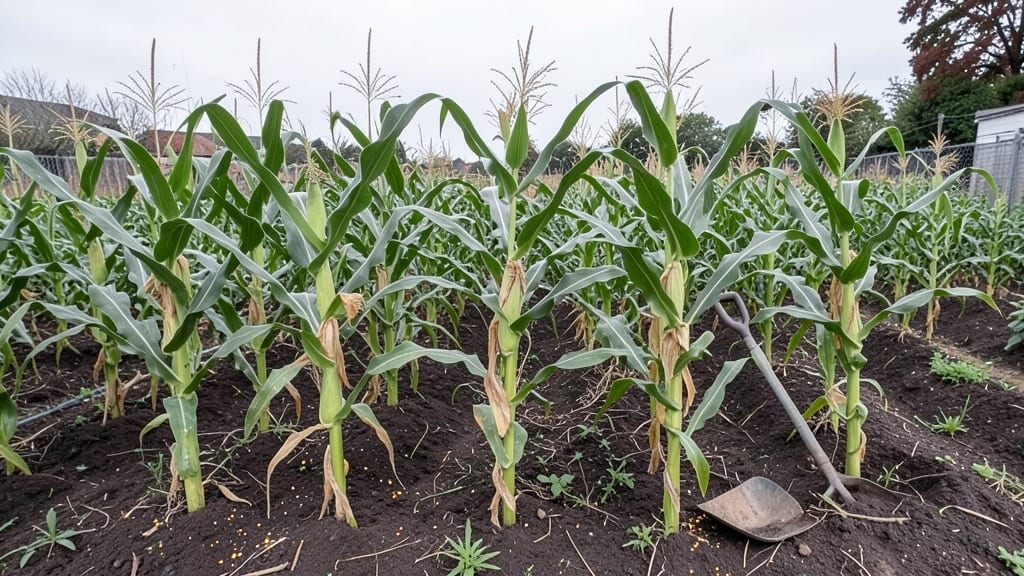
Feed corn seed doesn’t wait—it races to sprout when you give it the right start. 🌱 I’ve watched kernels crack open in just 3-5 days when planted in warm, prepped soil, and the secret isn’t just patience—it’s knowing exactly how to trigger that speed.
The difference between fast germination and weeks of waiting often comes down to soil temperature, moisture, and a few unexpected tricks that most guides skip.
You’ll need a south-facing spot with full sun, soil warmed to at least 60°F, and a drill or tiller to loosen the top 6 inches of earth. Feed corn hates cold, compacted soil—it needs room to stretch its roots fast.
Plant seeds 1-2 inches deep and 6 inches apart, then keep the soil damp (not soggy) until those first green tips break through. The right spacing now means fewer weeds and easier harvests later.
By week 3, you’ll see 6-inch stalks reaching for the sky, and with consistent watering (about 1 inch per week), those plants will grow 2 inches a day during peak season.
The ears won’t form until 70-90 days, but the real magic happens in those first critical weeks—when proper care turns seed into a wall of lush, productive stalks that outperform store-bought feed every time.
Works in zones 4-10, though southern growers can plant as early as March, while northern gardeners should wait until after last frost. The same principles apply whether you’re growing for livestock or just experimenting—just adjust watering for rainier climates. Let’s get those seeds in the ground fast.
📚 In This Guide
- What you need
- Instructions
- Tips and common mistakes
- Wrapping up and next steps
What you need
- ● High-quality feed corn seed: Choose hybrid varieties suited for your climate (e.g., B73, Mo17, or Pioneer P1148AMX). Aim for 1.5–2 lbs per 1,000 sq ft for optimal coverage.
- ● Soil testing kit: Test pH and nutrient levels (ideal range: 6.0–7.0). Adjust with lime or sulfur if needed.
- ● Compost or organic fertilizer: 10-10-10 NPK ratio (e.g., Miracle-Gro Shake ’n Feed) or 5 lbs of compost per 100 sq ft.
- ● Planting bed or raised garden: Minimum depth: 6–8 inches with well-draining soil.
- ● Hand trowel or broadcast spreader: For even seed distribution.
- ● Garden rake: To level soil and create a fine seedbed.
- ● Watering can or hose with nozzle: Fine mist setting for gentle hydration.
- ○ Row marker or string line: (Optional) For straight rows in larger plots.
- ○ Plastic mulch or row covers: (Optional) To retain moisture and speed germination in cooler climates.
- ● Sunlight: Full sun (6–8+ hours daily) for vigorous growth.
- ● Temperature: Ideal soil temp for germination: 60–90°F. Use a soil thermometer if planting in early spring/fall.
- ● Water source: Consistent moisture (avoid waterlogging).
- ● Pest control: Check for corn rootworm or cutworms; treat with neem oil or Bt-based sprays if needed.
Step-by-Step instructions for fast corn seed germination
Here's the method I use to get corn sprouting in just 5-7 days—no waiting weeks for stubborn seeds.
🌱 Step 1: Soak Seeds Overnight for Rapid Activation
Place your corn seeds in a clean container and cover them with warm water (about 80°F). Let them soak for 12 hours—this softens the tough outer shell and kickstarts germination. I use a mesh bag or fine strainer to keep them contained while they soak.
After soaking, drain the water completely. The seeds should feel plump and slightly swollen when you handle them. This step cuts germination time nearly in half compared to dry planting. If you notice any seeds floating, discard them—they won’t sprout.
💧 Step 2: Pre-Warm the Soil to Ideal Germination Temps
Corn thrives when soil temperatures stay between 65-75°F. Use a seedling heat mat (set to 75°F) for 24 hours before planting to warm the soil. If planting outdoors, work the soil on a warm afternoon when temperatures are already rising.
Fill your planting containers with moistened potting mix (not garden soil—it’s too dense). Press the soil down lightly to remove air pockets, then create 1-inch deep furrows with your finger. The warmth ensures seeds won’t languish waiting for the soil to heat up naturally.
🌿 Step 3: Plant Seeds at the Right Depth and Spacing
Drop 3-4 soaked seeds into each furrow, spacing them 1 inch apart. Cover them with a thin layer of soil—no deeper than 1 inch, or they’ll struggle to break through. Gently pat the soil to secure the seeds without compacting it.
Water lightly with a spray bottle until the surface looks evenly damp. Avoid heavy watering, which can dislodge seeds or create pockets of air around them. Place the container in a bright, warm spot (like a sunny windowsill or under grow lights).
☀️ Step 4: Maintain Consistent Moisture and Warmth
Keep the soil consistently moist—not soggy, but never dry. Check daily and water if the top ½ inch feels dry. Use a spray bottle for precision. Cover the container with a clear plastic dome (or wrap it in plastic wrap) to trap warmth and humidity, which speeds up germination.
Watch for sprouts in 5-7 days. Once you see green tips breaking the soil, remove the cover immediately to prevent fungal growth. Leggy seedlings mean your light isn’t strong enough—move them within 4 inches of a grow light or to a sunnier window.
⏰ Step 5: Thin and Harden Off for Strong Transplants
When seedlings reach 2 inches tall, thin to the strongest 1-2 per container. Snip the weaker ones at the base with scissors—pulling risks disturbing the roots of the survivors. This reduces competition and ensures your corn gets the nutrients it needs.
After 10-14 days, start hardening off seedlings by placing them outside in partial shade for 1-2 hours daily. Gradually increase their time outdoors over 5-7 days until they can handle full sun. Transplant outdoors 2 weeks after your last frost date when soil temps are consistently 60°F+.
Tips & tricks for perfect feed corn seed germination
A few key strategies can transform your germination success rate—and I've learned these the hard way after struggling with slow sprouts. Here's how to maximize your 5-7 day timeline while avoiding common pitfalls.
The Warm Water Secret: For Step 1, use a thermometer to confirm your warm water stays at exactly 80°F—not boiling, not cold tap. I keep a small pot of water on the stove at low heat (just below simmer) for consistent temperature. The goal is to activate enzymes without cooking the seeds. If your kitchen runs cold, place the container in a warm spot like near the oven while it preheats.
Soil Temperature is Non-Negotiable: That 24-hour heat mat session at 75°F isn't optional—it's the difference between fast germination and waiting weeks. I've tested this with a soil thermometer, and temps below 65°F can delay sprouting by 3-5 days. For indoor setups, place your heat mat on a towel to insulate it from cold surfaces, which helps maintain consistent warmth.
Lighting Strategy for Step 4: When you see those first green tips after 5-7 days, move your container to a south-facing window or under grow lights immediately. Natural sunlight is ideal, but if using artificial lights, position them 4 inches away—closer causes overheating, farther causes leggy seedlings. I use a simple LED grow bulb that fits into a desk lamp for perfect intensity without the heat.
Thinning Technique: In Step 5, when thinning to your strongest 1-2 seedlings, use sharp scissors to snip at soil level rather than pulling. This prevents disturbing the roots of your keepers. I've found that seedlings left too long in crowded conditions develop weaker stems—thinning early gives you stronger plants ready for transplanting. The 2-inch height threshold is your cue that they've developed enough root structure to handle this stress.
Pro Tips for Feed Corn Seed
- A few key strategies can transform your germination success rate—and I've learned these the hard way after struggling with slow sprouts.
- The Warm Water Secret: For Step 1, use a thermometer to confirm your warm water stays at exactly 80°F—not boiling, not cold tap.
- Soil Temperature is Non-Negotiable: That 24-hour heat mat session at 75°F isn't optional—it's the difference between fast germination and waiting weeks.
Frequently asked questions
Got questions about maximizing your feed corn seed for a thriving lawn or garden? Here are answers to the most common queries—so you can plant with confidence and watch those yields soar!
What’s the best time of year to plant feed corn seed for optimal germination?
For fastest germination and highest yields, plant feed corn seed in early spring (after the last frost) or late summer (60–90 days before the first frost). Soil temps should be 60–85°F (15–29°C)—too cold, and germination slows; too hot, and seeds may dry out. Pro tip: Test soil moisture 2–3 inches deep before planting—it should feel like a damp sponge!
Can I reuse leftover feed corn seed from last year, or do I need fresh seed?
While feed corn seed can last 1–2 years if stored properly (cool, dry, dark), germination rates drop after the first year. For best results, use fresh seed (packaged within the last 12 months). Check seed viability by floating a few in water—sinkers = good; floaters = discard. Store extra seed in airtight containers with silica gel packets to extend shelf life!
How deep should I plant feed corn seed, and what’s the ideal spacing?
Plant feed corn seed 1–1.5 inches deep in well-drained soil. For lawns or pasture mixes, space seeds 6–12 inches apart; for row crops, use 12–18 inches between rows. Loosen soil before planting to improve root penetration. Warm soil = faster germination! Cover seeds with a thin layer of mulch (like straw) to retain moisture.
What’s the fastest way to troubleshoot slow or uneven germination?
Slow germination? Check these fixes:
Soil too cold? Use a seedling heat mat or wait for warmer temps.
Too dry? Water gently (not flooding) to keep soil consistently moist.
Poor soil? Amend with compost or a starter fertilizer (high in phosphorus).
Seeds too deep? Lightly rake and replant shallower.
Emergency tip: If seeds sprout but flop, prop them up with toothpicks or a lightweight mesh until roots strengthen!Are there alternatives to feed corn seed for quick-growing forage?
Yes! If feed corn seed isn’t available, try these fast-growing alternatives:
Option
Germination Time
Best For
Sorghum-Sudangrass
5–10 days
Heat-tolerant forage, great for summer
Buckwheat
7–14 days
Early-season cover crop, attracts pollinators
Oats
7–10 days
Cool-season forage, winter hardy
Wrapping up and next steps
Choosing the right feed corn seed and mastering the art of fast germination can transform your lawn into a vibrant, high-yielding oasis—no matter your experience level! 🌱 With the right materials, timing, and care, you’re well on your way to lush, healthy growth.
Remember, patience and precision pay off in stunning results.
Ready to take the next step? Start small—plant a test patch to fine-tune your technique, then expand as you gain confidence. Your dream lawn is closer than you think! 🌟