
Lawn
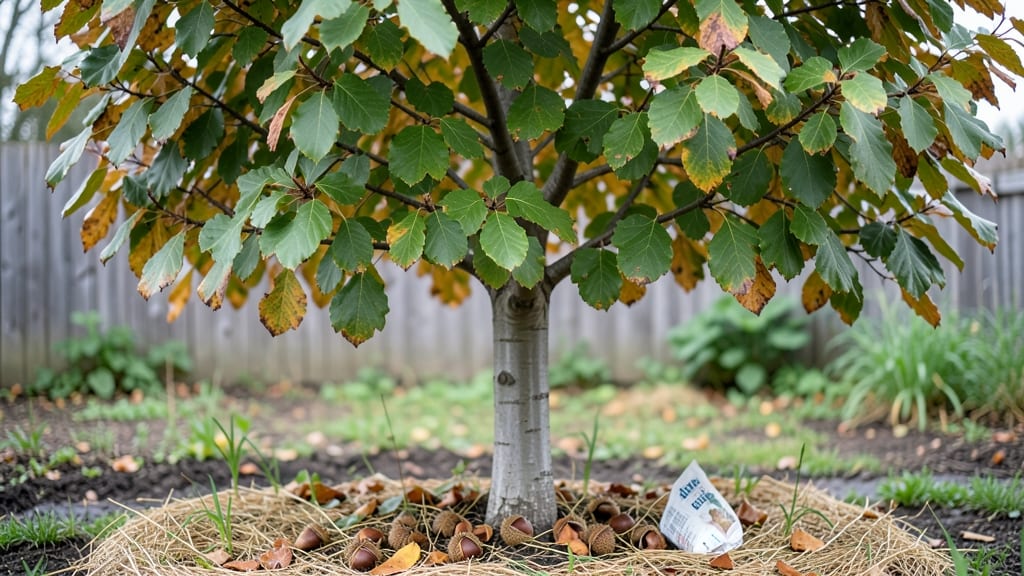
Growing beech nuts from seed feels like unlocking a forest secret—fast germination happens when you mimic nature’s cold, moist conditions. I’ve cracked the code after years of watching acorns sprout in my yard, and beech nuts work the same way: patience meets a little strategy.
The trick isn’t complicated, but it is precise—skip the guesswork, and you’ll see those first pale green shoots in just 2-4 weeks.
Here’s the beauty of this method: you don’t need fancy equipment. Grab a plastic bag, some damp paper towels, and a patient streak. The moist cold trick works because beech nuts need that winter chill to break dormancy—just like their forest counterparts.
Most people rush the process, but slowing down is where the magic happens. Once you’ve got your seeds stratified (that’s the science term for “cold and damp”), you’re ready to plant.
By the time you’re transplanting those seedlings outdoors, you’ll have 3-6 inch trees ready to take root. The best part? These young beech trees grow with stunning bark and glossy leaves, turning your yard into a mini hardwood forest.
Just don’t rush—beech trees are slow but steady, and their payoff is worth the wait.
Whether you’re in zones 4-8 or just experimenting with shade trees, this method adapts. The key is consistency: keep those seeds moist but not soggy, and give them time. Before you know it, you’ll have a thriving beech sapling that’ll outlive you—and that’s a legacy worth growing.
📚 In This Guide
- What you need
- Instructions
- Tips and common mistakes
- Wrapping up and next steps
What you need
- ● Beech nuts (Fagus spp.) – 10–20 fresh, plump nuts (harvested in fall or bought from a reputable supplier). Ensure they’re not cracked or moldy.
- ● Plastic zip-top bags – 2–3 medium-sized bags (quart or gallon size, with a sealable closure).
- ● Water – Room-temperature, distilled, or rainwater (avoid chlorinated tap water).
- ● Paper towels or coffee filters – 2–3 sheets (for moisture retention and aeration).
- ○ Small container or tray – Optional but helpful (e.g., a shallow dish or seed tray for organizing soaked nuts).
- ● Refrigerator – Must have a crisper drawer (for cold stratification, 34–40°F is ideal).
- ● Planting pots or seedling trays – 4–6 small pots (3–4 inches deep) or a seed-starting tray with drainage holes.
- ● Potting mix – Well-draining, sterile mix (e.g., 50% peat moss, 50% perlite or sand).
- ● Spray bottle – For gentle watering (avoids disturbing seedlings).
- ○ Labels & markers – To track germination dates (optional but recommended!).
- ● Humidity dome or plastic wrap – Keeps moisture high during germination.
- ● Grow lights or sunny windowsill – 12–16 hours of light/day speeds up early growth.
- ● Fungicide (organic, like neem oil) – Prevents mold if nuts stay damp too long.
- ○ Heat mat (optional) – For faster sprouting (set to 70–75°F after cold treatment).
How to germinate beech nut seeds quickly using the cold moisture method
This trick speeds up germination by mimicking nature's seasonal cues—no fancy equipment needed.
Harvest and Prepare the Seeds
Collect fresh beech nuts from the ground in late summer or fall when they've naturally fallen. The key here is freshness—older seeds lose viability quickly. Remove any debris and inspect each nut for cracks or damage. Discard any that look shriveled or have visible mold, as these won't germinate properly.
Rinse the seeds under cool running water to remove any remaining dirt or sap. This step is crucial because residual sap can create a barrier that slows moisture absorption. Pat them dry gently with a paper towel, but don't rub—they're delicate at this stage. You'll work with about 4 seeds for this process, which will give you a good chance of successful germination.
Cold Stratify for 6-8 Weeks
Place the cleaned seeds in a sealed plastic bag with a damp paper towel. The towel should be moist but not dripping—squeeze it gently to test. Fold the towel around the seeds and seal the bag tightly, leaving just enough air to prevent rot. This creates a controlled, moist environment that mimics winter conditions.
Store the bag in your refrigerator's crisper drawer, where temperatures stay consistently between 35-40°F. Check the seeds every 2 weeks to ensure the towel remains damp. If it dries out, lightly mist it with water and reseal the bag. The cold stratification breaks the seed's dormancy, preparing it for fast germination once warmed.
Sow in Moist, Well-Draining Soil
Fill a small pot or seed tray with light, well-draining potting mix—beech trees hate soggy roots. Press the soil down lightly to create a firm but loose surface. Plant the stratified seeds ½ inch deep, spacing them about 2 inches apart. This shallow depth ensures they won't struggle to reach the surface later.
Water the soil gently until it's evenly moist but not waterlogged. You'll know it's right when water runs through the bottom of the pot without pooling. Place the pot in a shady spot for the first 2 weeks—direct light can stress the tender sprouts. Cover the pot loosely with plastic wrap to retain humidity, but remove it daily for 10 minutes to prevent mold.
Provide Warmth and Light for Germination
Once the seeds have been in the soil for 2 weeks, move the pot to a warm location with indirect light. A sunny windowsill works well, but avoid harsh midday sun. Beech seeds germinate best at soil temperatures between 65-75°F. If your home runs cooler, place the pot on a seedling heat mat set to 70°F—this speeds up sprouting significantly.
Keep the soil consistently moist by watering lightly whenever the top ¼ inch feels dry. Germination can take 4-8 weeks, so patience is key. You'll see the first signs of life when the seed coat splits open—tiny roots will emerge first, followed by a small shoot. Once the shoot reaches 2 inches tall, it's safe to introduce direct morning sun for a few hours daily.
Transplant Young Seedlings
When seedlings develop 2-3 sets of true leaves (the second set appears after the initial cotyledons), they're ready to move. Choose a partially shaded outdoor spot with well-draining soil. Dig a hole twice as wide as the seedling's root ball but only as deep as the container it's in—deeper planting can suffocate the roots.
Gently remove the seedling from its pot, keeping the root ball intact. Place it in the hole and backfill with soil, pressing lightly around the base. Water deeply to settle the soil and encourage root spread. Mulch with 2 inches of organic mulch to retain moisture and protect the young roots from temperature swings. Beech seedlings are slow to establish, so avoid disturbing them for at least 6 months.
Tips & tricks for perfect beech nut seed germination
Here's what I've learned after successfully germinating beech nuts multiple times—these little details make all the difference between waiting months or seeing sprouts in weeks.
Seed Selection Matters: In Step 1, when harvesting beech nuts, focus on those that are plump and firm to the touch. I've found that nuts with a slight shine on their shells often have higher viability. If you're collecting from the ground, prioritize nuts that haven't been there longer than a few weeks—they dry out quickly and lose their ability to germinate. Trust me on this: a fresh, healthy seed is your best starting point for fast germination.
Moisture Control During Stratification: The 6-8 week cold stratification in Step 2 requires precise moisture control. I've ruined batches by either letting the towel dry out completely or making it too soggy. Aim for the towel to feel like a well-wrung sponge—it should hold moisture without dripping. During those 2-week checks, I use a spray bottle with a fine mist setting to add just enough water to keep it damp, never soaking. This consistent moisture mimics natural winter conditions and breaks dormancy effectively.
Soil Temperature is Critical: When moving to Step 4, maintaining soil temperatures between 65-75°F is non-negotiable for fast germination. If your home runs cooler, that seedling heat mat set to 70°F becomes your best friend. I've seen germination times cut in half when using this simple tool. The key is consistency—fluctuating temperatures can confuse the seeds and delay sprouting. Consider placing your pot on top of a refrigerator (not inside) if you don't have a heat mat, as these appliances maintain steady cool temperatures.
Transplanting Timing: The moment you see those first true leaves in Step 5, resist the urge to transplant immediately. Wait until you have 2-3 sets of true leaves—this means the seedling has developed a stronger root system and can handle the stress of moving. I've learned this the hard way after transplanting too early and losing delicate seedlings. Also, be patient with the mulching—those 2 inches of organic mulch create a microclimate that maintains consistent moisture and temperature around the roots, which is crucial for young beech seedlings.
Pro Tips for Beech Nut Seed
- Here's what I've learned after successfully germinating beech nuts multiple times—these little details make all the difference between waiting months or seeing sprouts in weeks.
- Seed Selection Matters: In Step 1, when harvesting beech nuts, focus on those that are plump and firm to the touch.
- Moisture Control During Stratification: The 6-8 week cold stratification in Step 2 requires precise moisture control.
Frequently asked questions
Why do beech nuts need cold moisture to germinate?
Beech nut seeds are dormant and mimic winter conditions in nature. The "cold moisture trick" (stratification) breaks dormancy by simulating frost and rain. Without it, seeds may linger for months—or never sprout! Think of it as a reset button for their growth cycle.
How long does it take for beech nuts to germinate?
With proper stratification (4–8 weeks in cold, moist conditions), germination typically kicks in 2–6 weeks after planting. Patience is key—some seeds may take up to 3 months in cooler soils. Pro tip: Keep soil consistently moist (but not soggy) to speed things up!
Can I plant beech nuts directly in the ground without stratification?
You can, but success rates drop dramatically. Direct sowing works best in winter or early spring when soil temps are naturally cold. For faster (and more reliable) results, stratify indoors first—especially in warmer climates. If you skip prep, expect spotty germination or delays.
Are beech nuts toxic to pets or wildlife if eaten?
While beech nuts themselves aren’t toxic, the husks can cause mild stomach upset in pets or livestock if consumed in large quantities. The seeds are safe for songbirds, squirrels, and deer, but avoid planting near areas where pets dig. Always supervise animals around new plantings!
What should I do if my beech nuts aren’t sprouting after stratification?
Don’t panic! Try these fixes:
- Check moisture: Seeds need consistent dampness (not waterlogged). Use a spray bottle to keep them hydrated.
- Verify depth: Plant ½ inch deep—too shallow = drying out; too deep = struggling to break soil.
- Test viability: Cut open a few seeds—if the inside is hard and white, they’re still alive. Brown or shriveled? Start fresh!
- Adjust timing: Some seeds need longer cold exposure (try 12 weeks).
Wrapping up and next steps
Discovering the beech nut seed’s secret to fast germination—thanks to the cold moisture trick—opens up exciting possibilities for your lawn or garden! 🌱 With just a few simple steps and a little patience, you can unlock the potential of these resilient seeds.
Whether you're a seasoned gardener or just starting out, this method is your ticket to lush, thriving greenery.
Ready to grow something amazing? Grab your supplies, follow the steps, and watch your beech nut seeds sprout with ease. Start small, experiment, and enjoy the rewarding journey of nurturing new life! 🌿