
Lawn
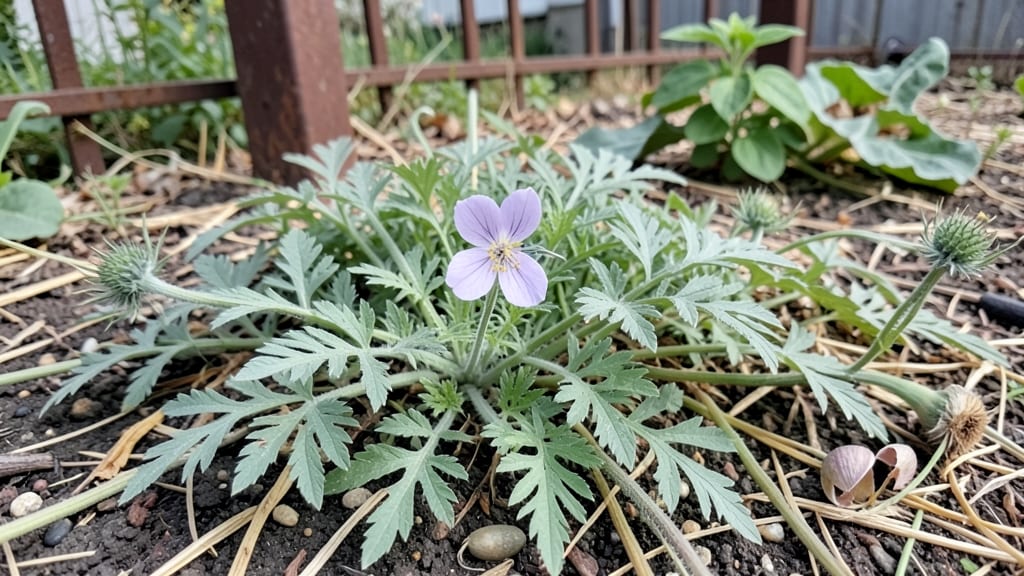
Growing Erodium cicutarium seed transforms bare soil into a stunning wildflower meadow in just three months—no green thumb required. I’ve watched this delicate annual pop up like clockwork in my own garden, its fern-like foliage and tiny pink blooms creating a carpet of color that hummingbirds adore.
The secret lies in its foolproof germination and love of sunny spots, making it perfect for pollinator gardens or filling gaps between spring bulbs.
You’ll need well-draining soil, a sunny patch (at least 6 hours of light daily), and a light sprinkle of seeds—no need for precision. Scatter them in early spring after the last frost, press gently into the top ¼ inch of soil, and keep it moist but never soggy.
Within 10-14 days, you’ll see the first sprouts, and by summer, your meadow will be in full bloom. The best part? It self-seeds, so once established, it keeps coming back with minimal effort.
This wildflower thrives in USDA zones 3-10, making it versatile for nearly any climate. Just avoid heavy clay soils—it hates soggy roots—and watch out for slugs in damp conditions.
With proper spacing (6-12 inches apart), you’ll avoid overcrowding and ensure each plant gets enough air to flourish. The result? A low-maintenance, high-impact display that outperforms many annuals.
For experienced gardeners, mix it with clover or yarrow for texture, or sow it thickly in containers for a cascading effect. Beginners will love how forgiving it is—even if you forget to water occasionally, it bounces back.
Once you’ve mastered this, try Erodium ‘Pink Cascade’ for even more drama. Ready to turn your garden into a pollinator paradise?
📚 In This Guide
- What you need
- Instructions
- Tips and common mistakes
- Wrapping up and next steps
What you need
- ● Erodium cicutarium seeds – 1–2 lbs (0.5–1 kg) per 1,000 sq. ft. (adjust for desired density). Opt for organic, non-GMO seeds for best results.
- ● Well-draining soil – Sandy loam or clay-loam works best; amend heavy soil with compost or perlite if needed.
- ● Water source – A hose with a gentle spray nozzle or a watering can with a fine rose attachment.
- ● Garden rake – For loosening soil and creating a fine seedbed.
- ○ Broadcast spreader (optional but helpful) – Ensures even seed distribution.
- ● Garden gloves – Protects hands from prickly stems (especially post-germination!).
- ● Straw or peat moss – ¼-inch layer to retain moisture and shield seeds from birds.
- ○ Mulch fabric (optional) – Lightweight fabric to suppress weeds without blocking sunlight.
- ● Sunlight – Full sun (6+ hours daily) for optimal growth.
- ● Drought tolerance – Once established, Erodium cicutarium thrives with minimal watering.
- ● Patience – Germination takes 2–4 weeks; full meadow magic unfolds in 3 months!
Step-by-Step instructions for planting erodium cicutarium seeds
Transform your space into a vibrant meadow with these easy steps—no green thumb required.
Prepare the Soil for Optimal Germination
Erodium cicutarium thrives in well-draining soil with a slightly alkaline pH between 6.0 and 7.5. Start by loosening the top 6 inches of soil with a garden fork or tiller to break up compacted layers. This ensures roots can spread freely without struggling. Mix in 2-3 inches of coarse sand or perlite if your soil feels heavy or clay-like—this improves drainage and prevents waterlogging, which can kill seedlings.
Remove any weeds or debris from the planting area, as competition for nutrients will stunt your wildflowers. A light raking afterward creates a fine, even seedbed. The goal is a loose, crumbly texture that holds moisture without becoming soggy. Test your soil’s moisture by squeezing a handful—it should hold together but not drip water when pressed. If it’s too dry, water lightly before sowing.
Scatter Seeds for Natural Meadow Beauty
Sow the seeds in early spring or late summer for the best results. Sprinkle them sparingly over the prepared area, aiming for a spacing of about 12-18 inches between clusters. Erodium cicutarium self-seeds readily, so you don’t need to plant them in perfect rows. A light hand ensures they don’t clump together, which can lead to overcrowding and weaker plants.
Gently press the seeds into the soil with your hand or the back of a rake—just enough to make contact with the earth. Avoid burying them more than ¼ inch deep, as they need light to germinate. If you’re planting in a larger meadow, divide the area into sections and sow a little at a time to maintain consistency. Water the area lightly with a fine mist or sprinkler to settle the seeds into place without displacing them.
Maintain Moisture and Light for Germination
Keep the soil consistently moist but not waterlogged for the first 4-6 weeks after sowing. Water gently in the morning to allow excess moisture to evaporate during the day. Use a spray nozzle or drip irrigation to avoid disturbing the seeds. Erodium cicutarium germinates best in full sun to partial shade, so choose a location that receives at least 4-6 hours of direct sunlight daily. If planting in an area with intense afternoon sun, provide some shade during the hottest hours until seedlings are established.
Once the seeds sprout, you’ll notice tiny green leaves emerging in about 2-3 weeks. At this stage, reduce watering slightly but keep the soil moist. Avoid using fertilizer during germination—these wildflowers thrive in lean soil and may struggle if overfed. Thin seedlings to 6-12 inches apart once they reach 2-3 inches tall to give them room to grow into sturdy plants.
Encourage Growth and Enjoy the Meadow
After the first month, your erodium cicutarium will begin to establish itself, producing delicate, fern-like foliage and clusters of pink or purple flowers. Water deeply once a week during dry spells, but avoid overwatering—these plants are drought-tolerant once established. Mulch lightly with 1-2 inches of straw or shredded leaves to retain moisture and suppress weeds without smothering the seedlings.
By 3 months, you’ll see a lush, natural meadow in full bloom. The flowers attract pollinators like bees and butterflies, adding life to your garden. Deadhead spent blooms in late summer to encourage a second flush of flowers, but leave some seed heads for self-seeding. Over time, your meadow will spread and multiply, creating a self-sustaining display of wildflower magic.
Tips & tricks for perfect erodium cicutarium meadow planting
Creating a thriving erodium cicutarium meadow takes patience and precision—here's how to maximize your success from the very first step.
Soil Preparation is Everything: The 6-inch depth you loosen in Step 1 isn't just about breaking up compaction—it's about creating an aerated environment that mimics their natural habitat. For clay-heavy soils, mix in that 2-3 inches of coarse sand or perlite right where the roots will develop. I've seen erodium struggle in compacted soil because roots can't breathe properly, leading to stunted growth. The key is achieving that loose, crumbly texture that holds moisture without becoming waterlogged—almost like a well-drained cake batter.
Seed Spacing Strategy: That 12-18 inch spacing in Step 2 might seem generous, but erodium cicutarium has a tendency to spread naturally. I've learned the hard way that planting too densely leads to competition for sunlight and nutrients, resulting in leggy, weak plants. Think of it like planting trees—you want them to have room to grow into their full, robust form without crowding each other. The self-seeding nature of this plant means you'll get plenty of volunteers filling in the gaps naturally over time.
Germination Timing is Critical: The 4-6 week moisture window in Step 3 is where most failures happen. I recommend setting a calendar reminder for when you started sowing—this helps track when to expect those first sprouts around 2-3 weeks. The morning watering routine prevents fungal issues that can develop from evening moisture. One trick I use is placing a small stake near the planting area when I sow seeds—when the first sprouts appear at the stake's height, I know germination has begun and can adjust my care routine accordingly.
Thinning Technique: When you reach the thinning stage in Step 3, don't just pull seedlings—use small garden shears to cut them at soil level. This prevents disturbing the roots of your remaining plants. The 6-12 inch spacing you establish now will determine how lush your mature meadow becomes. I've found that thinning at this early stage actually stimulates the remaining plants to grow stronger and more vibrant, as they're no longer competing for resources.
Pro Tips for Erodium Cicutarium Seed
- Creating a thriving erodium cicutarium meadow takes patience and precision—here's how to maximize your success from the very first step.
- Soil Preparation is Everything: The 6-inch depth you loosen in Step 1 isn't just about breaking up compaction—it's about creating an aerated environment that mimics their natural habitat.
- Seed Spacing Strategy: That 12-18 inch spacing in Step 2 might seem generous, but erodium cicutarium has a tendency to spread naturally.
Frequently asked questions
Got questions about growing Erodium cicutarium seeds into a stunning wildflower meadow? You’re not alone!
Here are the answers to the most common queries—so you can dive in with confidence and avoid common pitfalls.
How long does it take for Erodium cicutarium seeds to germinate?
Germination typically takes 7–21 days in ideal conditions (warm soil, 60–75°F, and consistent moisture). For faster results, stratify seeds (mix with damp sand and refrigerate for 2–4 weeks) before planting. Patience pays off—once sprouted, these seeds grow quickly!
Is Erodium cicutarium invasive? Will it take over my garden?
While it self-seeds eagerly, it’s not considered highly invasive like some wildflowers. To control spread, deadhead spent blooms or mow before seeds mature. It thrives in sunny, dry areas—perfect for meadows but less aggressive in manicured lawns.
Can I plant Erodium cicutarium seeds in fall or winter?
Yes! Fall planting (September–October) is ideal—seeds benefit from natural winter stratification, improving germination rates. Avoid planting in deep frost (below 20°F), but a light snow cover is fine. Spring planting works too, but may require manual stratification.
What’s the best soil mix for Erodium cicutarium seeds?
These seeds love well-draining, sandy, or loamy soil with a slightly alkaline pH (6.0–7.5). Avoid heavy clay—amend with compost or perlite if needed. A thin top layer of soil (¼ inch) is enough; they don’t need deep burial to sprout.
Will Erodium cicutarium attract bees and butterflies?
Absolutely!
Its delicate pink/purple flowers are a pollinator magnet, especially for bees and hoverflies. For extra buzz, plant alongside clover, yarrow, or lavender. Just avoid pesticides—these little helpers keep your meadow thriving!
What if my seeds don’t sprout? Troubleshooting tips.
Try these fixes if germination stalls:
- Check moisture: Keep soil damp (not soggy) until sprouts appear.
- Verify temperature: Use a heat mat (70–75°F) if your home is too cool.
- Test seed viability: Soak a few seeds in water—if they sink, they’re likely good.
- Re-stratify: If stored seeds are old, repeat the cold treatment.
Still no luck? Try fresh seeds or a seed starter gel for extra humidity.
Wrapping up and next steps
Transforming your lawn into a vibrant meadow of Erodium cicutarium seeds is easier than you think—and the rewards are stunning! 🌿 With the right prep, patience, and care, you’ll enjoy a burst of wildflower magic in just three months.
Whether you’re drawn to its delicate blooms or its low-maintenance charm, this seed is a game-changer for pollinators and aesthetics alike.
Ready to take the next step? Grab your seeds, mark your calendar for planting, and watch your outdoor space bloom with effortless beauty. Your future meadow starts with a single seed—let’s grow it together! 🌱