Tools
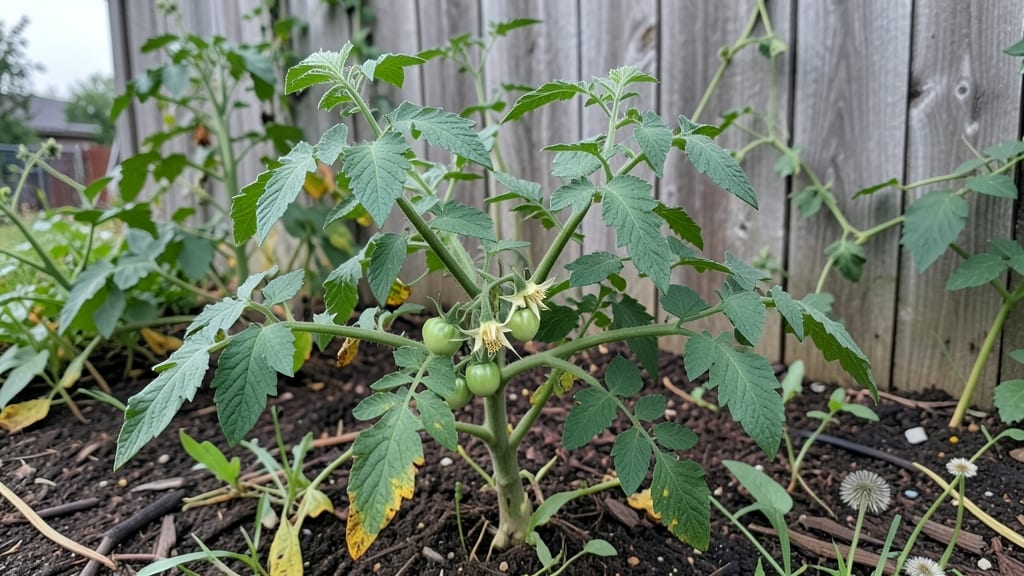
Fast-germinating edible garden seeds are the shortcut to a summer of fresh tomatoes, crisp lettuce, and fragrant herbs—no waiting months for pathetic seedlings. 🌱 I’ve wasted entire growing seasons on slow-starting seeds, but these varieties pop up in days, giving you a head start on pests, weeds, and even the weather.
The key isn’t just picking the right packet; it’s knowing which seeds to trust for speed, flavor, and reliability.
Start with radishes, lettuce, and bush beans—they sprout in 3-7 days and tolerate cooler soil better than finicky tomatoes. Heirloom seeds might take a day longer but reward you with richer flavors, while hybrid varieties often germinate faster.
Store seeds in a cool, dark place (like your fridge) to preserve freshness, and avoid buying from big-box stores unless you’re okay with lower germination rates. A local nursery or reputable online seller makes all the difference.
Once those first green shoots appear, you’ll be hooked. Thin seedlings carefully to avoid shocking the roots, and keep the soil moist but not soggy—consistent watering is where most beginners trip up.
Within weeks, you’ll have a thriving patch of greens or a tomato plant reaching for the sky, all because you skipped the guesswork and started with seeds that actually perform. The payoff? Homegrown food that tastes like summer, even if you’re still learning.
This method works for containers, raised beds, or in-ground plots, and scales from a windowsill herb garden to a full-size harvest. The only mistake? Waiting to try it. Grab a few packets, mark your calendar, and watch your garden wake up faster than you thought possible.
📚 In This Guide
- What you need
- Instructions
- Tips and common mistakes
- Wrapping up and next steps
What you need
- ● Edible garden seeds: Choose fast-germinating varieties like radishes (5–7 days), lettuce (3–10 days), or green beans (5–10 days). Buy 1–2 packets per variety (50–100 seeds per packet).
- ● Seed-starting soil: A 5-gallon bag of sterile, seed-starting mix (or 10–20 lbs for larger gardens). Avoid garden soil—it’s too dense for seeds!
- ● Containers or trays: Seedling trays (with drainage holes) or
- ● Biodegradable pots (2–3 inch size, 50–100 count).
- ● Grow lights or sunny windowsill: A LED grow light (12–24 inches above seedlings) or a south-facing window with 6+ hours of sunlight daily.
- ● Watering can or spray bottle: A small, gentle-spray nozzle to avoid displacing seeds.
- ● Plant labels: 100+ wooden or plastic labels + a fine-tip marker to track varieties.
- ● Heating mat: A seedling heat mat (for cool climates) to speed germination by 5–10°F.
- ● Humidity dome: Clear plastic seedling domes to retain moisture (remove once sprouts appear!).
- ● Fertilizer: Organic starter fertilizer (like fish emulsion or compost tea) for nutrient boost.
- ● Garden gloves: A pair to protect hands while handling soil/seeds.
- ● Transplanting tools: A small hand trowel (for moving seedlings) and twine (for trellises).
- ● Sunlight access: Confirm your garden spot gets 4–8 hours of sunlight daily (adjust for shade-tolerant seeds).
- ● Water source: Ensure easy access to pH-balanced water (tap water is fine; avoid hard water if possible).
- ● Patience & consistency: Fast-germinating seeds still need daily checks for moisture and warmth!
How to select and plant fast-germinating edible garden seeds
Here's how to pick seeds that sprout quickly and get your garden growing in record time.
🌱 Step 1: Choose the Right Fast-Germinating Varieties
Look for seed packets labeled with germination times of 5-10 days or less. Radishes, lettuce, spinach, and arugula are my top picks—they pop up faster than most weeds. Check the back of the packet for "days to sprout" details, as some heirloom varieties take longer.
I always avoid hybrid seeds marked "F1" unless they specifically say "fast germination." Open-pollinated varieties like 'Cherry Belle' radish or 'Black Seeded Simpson' lettuce are reliable performers. Store seeds in a cool, dark place until planting—most stay viable for 1-2 years after packaging.
💧 Step 2: Prep Seeds and Soil for Optimal Germination
Soak seeds overnight in lukewarm water for varieties with hard coats (like lettuce). This softens the shell and speeds up sprouting. Drain them well before planting—soggy seeds rot instead of growing. Meanwhile, prepare your planting area by loosening the top 4-6 inches of soil.
Add a thin layer of compost to the top 2 inches of soil for nutrients. I like to mix in a handful of granular organic fertilizer (like 10-10-10) to give seedlings a strong start. Water the bed until the soil feels evenly moist but not saturated—think of a damp sponge, not a dripping one.
☀️ Step 3: Plant at the Correct Depth and Spacing
Plant seeds twice as deep as their diameter—tiny seeds like lettuce go ¼ inch deep, while larger ones like beans need 1 inch. I use my finger to make small holes and drop seeds carefully. For small seeds, I sprinkle them directly onto the soil surface and cover lightly with a thin layer of soil.
Space seeds according to the packet instructions—crowding leads to weak, leggy plants. For radishes, I plant them 1 inch apart in rows 12 inches apart. Water gently after planting to settle the soil without disturbing the seeds. Keep the soil consistently moist until germination.
⏰ Step 4: Monitor for Sprouts and Maintain Conditions
Check the soil daily starting on day 3—you'll see tiny green sprouts within 5-7 days for fast varieties. Keep the area shaded with a lightweight row cover or old window screen if temperatures rise above 85°F, as heat can slow germination.
Once sprouts appear, remove any cover immediately to prevent overheating. Water lightly from below (using a watering can with a narrow spout) to avoid disturbing delicate seedlings. Thin seedlings to the recommended spacing when they reach 2 inches tall—this prevents competition and encourages stronger plants.
Tips & tricks for perfect fast-germinating edible garden seeds
Fast germination is all about timing and preparation—here's how to give your seeds the best possible start.
The Seed Selection Secret: Don't just grab any packet—look for varieties specifically labeled "fast germination" or "quick sprouting." I've found that 'Cherry Belle' radishes and 'Black Seeded Simpson' lettuce consistently pop up in just 4-5 days. Avoid seeds with vague germination times like "2-3 weeks"—those are for patient gardeners, not speedy harvests.
Soaking Strategy: For seeds with hard coats (like lettuce), that overnight soak in lukewarm water is non-negotiable. I use a small bowl with just enough water to cover the seeds, then drain them thoroughly before planting. The key is to soften the seed coat without letting them sit in water too long—over-soaking can actually rot them before they even sprout.
Soil Prep Shortcut: Skip the heavy-duty tilling—loosening just the top 4-6 inches of soil is enough to create the perfect seed bed. I like to mix in a thin layer of compost (about 2 inches) right before planting. This gives your seeds immediate nutrients without overwhelming them. The "damp sponge" test for moisture is foolproof—if water runs through too quickly, add more; if it pools, you've overdone it.
Heat Defense: When temperatures climb above 85°F, your seeds will slow down or even stop germinating. I keep a lightweight row cover or old window screen handy to provide shade during hot afternoons. Remove it completely once sprouts appear—too much shade after germination can lead to weak, leggy plants that flop over.
Pro Tips for Edible Garden Seeds
- Fast germination is all about timing and preparation—here's how to give your seeds the best possible start.
- The Seed Selection Secret: Don't just grab any packet—look for varieties specifically labeled "fast germination" or "quick sprouting."
- Soaking Strategy: For seeds with hard coats (like lettuce), that overnight soak in lukewarm water is non-negotiable.
Frequently asked questions
Got questions about growing edible garden seeds? You’re not alone! Here are some of the most common queries—and their straightforward answers—to help you get started confidently.
What are the fastest-germinating edible seeds for beginners?
If you’re eager to see sprouts ASAP, opt for radishes (3–7 days), arugula (5–10 days), or bush beans (6–10 days). These varieties are forgiving, quick to grow, and perfect for impatient gardeners. Pro tip: Soak seeds overnight in warm water to speed up germination even more!
How long should I wait before I see sprouts?
Germination time varies by seed type, but most fast-growers pop up within 5–14 days under ideal conditions (warm soil, consistent moisture, and sunlight). If nothing emerges after 2 weeks, check moisture levels or consider replanting. Patience is key—but don’t overwater!
Can I save seeds from my homegrown veggies for next year?
Many edible plants, like tomatoes, peppers, and herbs, are easy to save. Let fruits/veggies fully ripen, dry the seeds, and store them in a cool, dark place. Avoid hybrid varieties (marked "F1"), as their seeds won’t produce true-to-type plants. For best results, label and date your seed packets!
What should I do if my seeds won’t germinate?
First, check for freshness—old seeds (over 1–2 years) often fail. Ensure your soil is warm (60–85°F), moist (not soggy), and well-draining. Try a seed starter kit or scratch-test seeds with a damp paper towel to diagnose viability. If all else fails, swap in new seeds or try a different variety!
Are there non-GMO or heirloom seed options for edible gardens?
Yes! Many seed companies specialize in non-GMO, organic, and heirloom varieties, like Baker Creek Heirloom Seeds or Seed Savers Exchange. These seeds support biodiversity, often have better flavor, and can be saved for future seasons. Look for certifications like USDA Organic or OMRI for peace of mind.
Wrapping up and next steps
Starting your own edible garden with fast-germinating seeds is a rewarding journey that connects you to nature while filling your plate with fresh, homegrown goodness! 🌱 Whether you're a seasoned gardener or just beginning, these quick-sprouting varieties make it easier than ever to grow a thriving harvest.
The key is patience, preparation, and passion—so grab those seeds, get your hands dirty, and watch your garden (and skills!) flourish.
Ready to take the next step? Start small—pick 2-3 fast-germinating seeds to try, like radishes or lettuce, and track your progress. Before you know it, you’ll be expanding your garden like a pro! 🌟