
Lawn
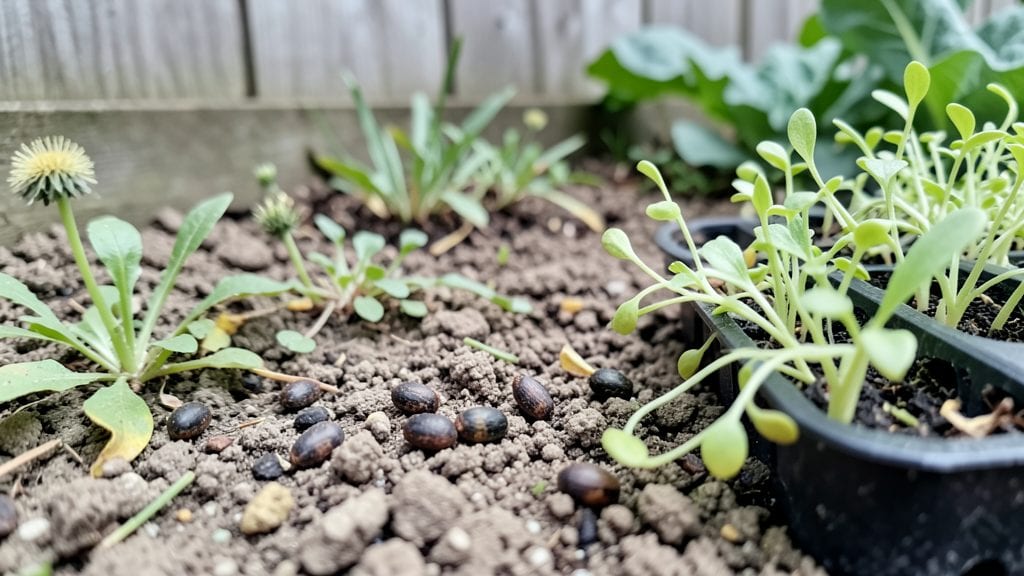
Growing corn salad from seed lets you enjoy its peppery, tender leaves straight from your garden—if you master the cold stratification trick that prevents those frustrating early bolting problems. 🌱 I learned the hard way that skipping this step means seedlings that shoot up too fast, leaving you with bitter greens instead of the delicate harvest you crave.
The secret is mimicking winter's chill period before planting, which triggers steady, reliable growth.
You'll need a small container, some damp paper towels, and a sealed bag for the stratification process, plus well-draining soil and a sunny spot for planting.
Corn salad thrives in cool weather, so timing matters: direct sow in early spring or late summer for fall harvests, or start seeds indoors 6-8 weeks before your last frost if you want an early jump. The soil should stay consistently moist but never soggy—this plant hates wet feet.
What you end up with is a steady supply of fresh, peppery greens that hold up better than store-bought mixes. The first harvest comes in just 4-6 weeks after sowing, and with proper care, you'll get multiple cuttings before the plant bolts.
The flavor stays brightest when you harvest leaves before they fully mature, and the plants self-seed readily if you let them go to flower.
This method works for both garden beds and containers, making it perfect for small spaces or urban gardeners. The key is patience—corn salad grows quickly, but rushing the stratification step is what leads to those disappointing, early-bolting failures. Let's get those seeds growing the right way!
📚 In This Guide
- What you need
- Instructions
- Tips and common mistakes
- Wrapping up and next steps
What you need
- ● Corn salad seeds: 1 packet (about 1,000–1,500 seeds, depending on the brand). Look for organic or heirloom varieties for best results!
- ● Growing containers: Seed trays (4–6" deep) with drainage holes, or
- ● Small pots (3–4" diameter) for individual seedlings
- ● Potting mix: High-quality seed-starting mix (sterile, well-draining). Avoid garden soil—it can harbor diseases!
- ● Cold stratification setup: A refrigerator with a crisper drawer (40–50°F / 4–10°C), or
- ● A seed stratification kit (if available)
- ● Spray bottle: For gentle watering (avoid over-saturating seeds!)
- ● Plastic wrap or dome: To create humidity for germination
- ● Grow lights or a sunny windowsill (south-facing) for seedlings
- ● Humidity dome or clear plastic bag to retain moisture
- ● pH testing kit (ideal pH: 6.0–7.0 for corn salad)
- ● Fertilizer (balanced 10-10-10 or compost tea) for transplanting
- ● Garden twine or labels for organizing seeds
- ● Patience! Corn salad seeds need 4–6 weeks of cold stratification before planting.
- ● Access to a cool, dark space (like a fridge) for stratification.
- ● A sunny outdoor spot (partial shade) or indoor grow lights for mature plants.
Step-by-step instructions for growing corn salad from seed
Cold stratification is the secret to breaking dormancy—here's how to coax those delicate blooms to life.
🌱 Step 1: Prepare Seeds with Cold Stratification
Corn salad seeds need a 6-8 week cold treatment to mimic winter conditions and trigger germination. Place the seeds in a resealable plastic bag with a moistened paper towel—just damp enough to feel slightly damp, not soaking wet. Seal the bag and refrigerate it on the middle shelf (around 35-40°F).
Check weekly to ensure the towel stays moist. If it dries out, mist lightly and reseal. This cold period ensures seeds won’t sprout too early in spring. After 8 weeks, remove the bag and let it sit at room temperature for 24 hours before planting.
🪴 Step 2: Choose the Right Containers and Soil Mix
Fill 4-inch pots with a light, well-draining potting mix—corn salad hates soggy roots. I use a blend of 50% potting soil and 50% perlite for airflow. Fill each pot to 1 inch below the rim, leaving space for watering. Press the soil down lightly to remove air pockets but keep it loose.
Corn salad thrives in partial shade, so place pots near a window with 4-6 hours of morning sun or use a grow light if natural light is weak. The ideal temperature for planting is 60-65°F—warmer than that, and seeds may dry out before sprouting.
💧 Step 3: Sow Seeds at the Correct Depth
Plant 2-3 seeds per pot at a depth of ¼ inch—too deep, and they’ll struggle to break through. Space seeds 1 inch apart in the soil. Gently press them in with your finger, then cover lightly with the remaining potting mix. Water lightly with a spray bottle to avoid displacing seeds.
Place the pots in a humidity dome or cover them with plastic wrap to retain moisture. Keep them in bright, indirect light until germination, which should happen in 10-14 days. If condensation forms on the cover, remove it for 30 minutes daily to prevent mold.
☀️ Step 4: Provide Ideal Light and Temperature
Once seedlings emerge, remove the cover and move them to a sunny windowsill or under grow lights for 12-14 hours of light daily. Corn salad grows best in cool weather (50-65°F)—if your home gets too warm, place pots on a cool tile floor or near an open window.
Thin seedlings to one per pot when they reach 2 inches tall, using scissors to snip unwanted stems at the base. This prevents overcrowding and encourages stronger growth. Water only when the top inch of soil feels dry—overwatering causes root rot in these delicate plants.
✂️ Step 5: Harvest and Encourage Continuous Blooms
Corn salad produces edible leaves and flowers, so harvest outer leaves first when they reach 3-4 inches long. Pinch back spent blooms to encourage new growth—this plant keeps producing if you stay on top of it. For a longer harvest season, sow new seeds every 2 weeks after the first planting.
Watch for pests like aphids—spray with neem oil if you spot them. With proper care, you’ll get 4-6 weeks of harvests before the plant bolts in hot weather. Save seeds from the strongest plants for next year by letting a few flowers mature fully on the stem.
Tips & tricks for perfect corn salad seed germination
These little tricks will help you break through the biggest hurdle—getting those tiny seeds to sprout reliably every time.
Cold Stratification Timing: The 6-8 week cold treatment is non-negotiable, but here's what I've learned: Start your countdown the day you put them in the fridge, not when you buy them. If you're impatient, you can extend to 8 weeks—just don't cut it short! I've seen seeds fail to germinate when given only 4 weeks of cold. The fridge's middle shelf (around 35-40°F) is perfect—avoid the door where temps fluctuate.
Moisture Management: That paper towel should feel like a wrung-out sponge—not dripping, but not bone-dry either. I've ruined batches by either over-soaking (which causes mold) or letting them dry out completely. Check weekly and adjust—this is where most germination failures happen. Pro tip: Use a clear plastic bag so you can see moisture levels without opening it.
Light Exposure: After the 24-hour room temperature break before planting, keep those pots in bright, indirect light until germination. I've had great success with a simple LED grow light on a 12-hour timer—it's more consistent than natural light. Once you see those first sprouts (usually 10-14 days), move to 12-14 hours of light daily. Too much direct sun at this stage can scorch delicate seedlings.
Thinning Strategy: When thinning to one seedling per pot at 2 inches tall, I use clean scissors and make a clean cut at the base. This prevents disease from spreading through torn stems. Save the strongest seedlings for future plantings—you'll want to keep these genetics for next year's harvests!
Pro Tips for Corn Salad Seed
- These little tricks will help you break through the biggest hurdle—getting those tiny seeds to sprout reliably every time.
- Cold Stratification Timing: The 6-8 week cold treatment is non-negotiable, but here's what I've learned: Start your countdown the day you put them in the fridge, not when you buy them.
- Moisture Management: That paper towel should feel like a wrung-out sponge—not dripping, but not bone-dry either.
Frequently asked questions
Got questions about growing corn salad seeds? You’re not alone! Here are answers to the most common queries—from timing tricks to troubleshooting tips—to help your garden thrive.
What is cold stratification, and why do corn salad seeds need it?
Cold stratification mimics winter conditions to break seed dormancy. Corn salad (Valerianella locusta) seeds often need 4–6 weeks in the fridge (34–40°F) before planting to ensure reliable germination. Skip this step, and you might end up with sparse or slow-growing plants!
When is the best time to plant corn salad seeds?
For fall crops, sow seeds 8–10 weeks before your first frost (late summer/early fall). For spring, plant 4–6 weeks before your last frost—corn salad thrives in cool weather (40–65°F) and bolts in heat. Pro tip: Use shade cloth in hot climates to extend harvests!
Can I grow corn salad from store-bought salad mixes?
Yes! Many pre-mixed salads contain corn salad seeds (check labels for “corn salad” or “lamb’s lettuce”). Let the seeds dry completely, then stratify them before planting. Just avoid seeds from organic or heirloom mixes, which may be treated to prevent sprouting.
Why aren’t my corn salad seeds germinating?
Common culprits: unstratified seeds, too-deep planting (seeds need light), or overly warm soil. Try these fixes:
- Re-stratify seeds for 2 more weeks.
- Plant seeds ¼ inch deep in well-draining soil.
- Use a seedling heat mat (60–65°F) if your soil is cold.
What can I plant with corn salad to maximize space?
Corn salad’s shallow roots make it a great intercrop. Pair it with:
- Radishes (fast-growing, deters pests).
- Spinach (similar care, extends harvest).
- Carrots (deep roots won’t compete).
Wrapping up and next steps
Growing corn salad seeds with cold stratification is a rewarding way to enjoy vibrant blooms and fresh greens—even in cooler climates! 🌱 By following the right techniques, you’ll unlock faster germination, stronger plants, and a bountiful harvest.
Whether you’re a seasoned gardener or just starting, this method makes success achievable with minimal extra effort.
Ready to take the next step? Grab your seeds, prep your fridge, and start your stratification journey today. Soon, you’ll be savoring homegrown corn salad straight from your garden—no waiting required! 🌿