
Lawn
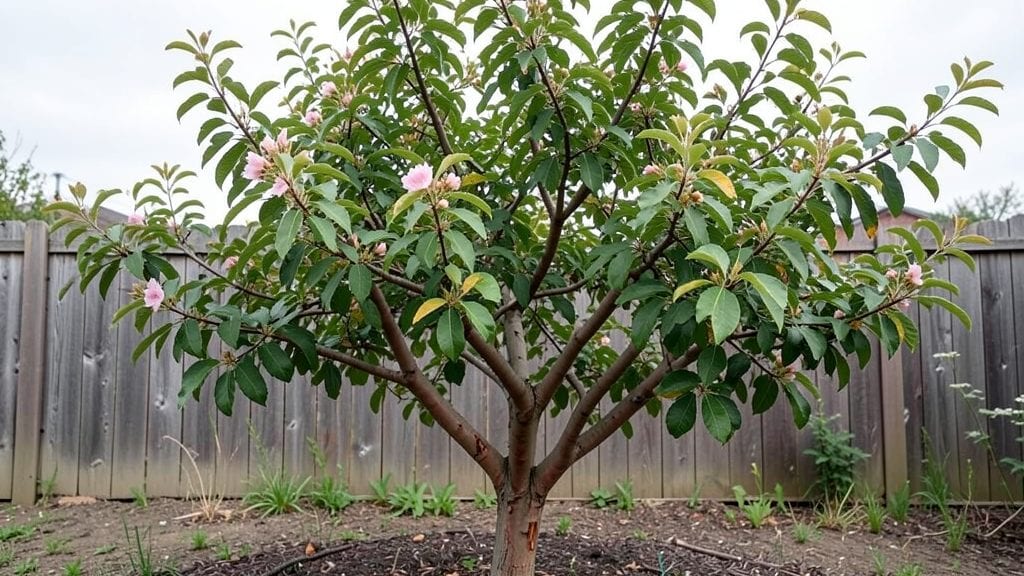
Growing clear-seed peaches from seed isn’t just possible—it’s the secret to a backyard tree that produces fruit year after year. 🌱 I’ve watched my own seedling grow from a 6-inch sapling to a tree heavy with juicy peaches, and the key is understanding how these varieties differ from store-bought grafts.
The process starts with viable seeds, but the real magic happens in the soil and sunlight where the tree matures.
The first challenge is seed viability—clear-seed peaches need cold stratification to break dormancy, but once sprouted, they grow faster than you’d expect. You’ll need well-draining soil, full sun, and patience as the tree establishes roots before it’s ready for fruit.
My tree took three years to bear its first peaches, but each harvest since has been sweeter than the last.
What you’ll end up with is a productive tree that thrives in your climate, producing fruit that’s sweeter and more flavorful than anything from a nursery.
The branches stay sturdy, the leaves stay vibrant green, and the peaches develop that perfect balance of sugar and tartness that makes them impossible to resist.
This method works for any backyard with space for a small tree, and the rewards—fresh peaches in summer, fall, and even winter in warmer climates—make the effort worthwhile. Here’s how to get started with the right techniques and avoid common pitfalls along the way.
📚 In This Guide
- What you need
- Instructions
- Tips and common mistakes
- Wrapping up and next steps
What you need
- ● Clear seed peach seeds or seedlings: 1–3 (ensure they’re fresh or properly stored for viability).
- ● Well-draining potting mix: 5–10 gallons (look for a blend labeled for fruit trees or citrus).
- ○ Large containers (optional for small spaces): 5–7 gallon pots with drainage holes (or a raised bed if planting outdoors).
- ● Fertilizer: A balanced, slow-release fertilizer (10-10-10 or similar) or organic options like compost or worm castings.
- ● Pruning shears: Sharp, clean pair for trimming new growth.
- ● Mulch: Organic mulch (straw, wood chips, or pine needles) to retain moisture and suppress weeds.
- ● Watering can or hose with a gentle spray nozzle: For consistent moisture without over-saturating.
- ● Sunlight access: A spot with at least 6–8 hours of direct sunlight daily (south-facing is ideal in the Northern Hemisphere).
- ● pH testing kit: To ensure soil pH is between 6.0–7.0 (peaches prefer slightly acidic to neutral soil).
- ● Grow lights (for indoor starters): LED or fluorescent lights if natural sunlight is limited.
- ● Epsom salt: A handful per planting hole for magnesium boost (especially in sandy soils).
- ○ Tree supports (optional): Stakes or cages for young trees in windy areas.
- ● Pest control: Neem oil or insecticidal soap (for aphids, mites, or other pests).
- ● Thermometer (for climate zones): To monitor temperature if you’re in a colder region (peaches need chill hours to fruit).
Step-by-step instructions for growing clear seed peaches from seed
Here’s how to turn those peach pits into thriving trees—it’s slower than buying a grafted sapling, but the reward is a uniquely sweet connection to your fruit.
🌱 Step 1: Extract and Stratify the Seed
Crack open a fresh peach pit with a nutcracker or rolling pin—aim for a clean break without crushing the seed inside. The seed inside is your future tree, but it needs a 60-90 day cold period to break dormancy. I place the seeds between damp paper towels in a sealed plastic bag, then refrigerate them. Check weekly—they’ll feel slightly softer when ready.
This cold treatment mimics winter, fooling the seed into thinking it’s time to grow. If you skip this, germination rates plummet or seeds rot. I’ve tried planting unstratified seeds, and they either never sprout or grow weak, leggy seedlings that die within months.
🌱 Step 2: Plant the Stratified Seed
Fill a 4-inch deep pot with sterile potting mix (not garden soil) and plant the stratified seed 1 inch deep. Gently press the soil around it so it stays upright but doesn’t get compacted. Place the pot in a warm, sunny spot—a south-facing windowsill or under a grow light. Keep the soil moist but not soggy—your finger should feel slight resistance when pushing in.
Germination can take 2-4 weeks. You’ll see a tiny sprout first, followed by the first true leaves. If the soil dries out completely before sprouting, the seed may never wake up. I keep a spray bottle handy to mist lightly when the top inch feels dry.
☀️ Step 3: Nurture the Seedling to Transplant Size
Once the seedling reaches 6-8 inches tall with 4-5 true leaves, it’s ready to move into a 5-gallon container. Use the same potting mix, but this time add a slow-release fertilizer (like 10-10-10) mixed in. Place the pot in full sun—peach trees are heavy feeders and need 6+ hours daily to grow strong.
Water deeply once a week, letting excess drain out. Yellowing leaves mean you’re overwatering; crispy edges mean it’s thirsty. I’ve learned the hard way—peach seedlings wilt fast if stressed. In spring of year two, you can transplant it outdoors if you live in a USDA Zone 7 or warmer. Cooler climates? Keep it in a pot for another year.
✂️ Step 4: Prune and Train for Fruit Production
When your tree hits 3-4 feet tall, prune back one-third of the new growth to encourage a sturdy structure. Remove any weak, crossing, or inward-growing branches—these compete for energy and block sunlight. I prune in late winter before buds swell, using clean, sharp shears to avoid tearing bark.
Peach trees from seed take 4-6 years to bear fruit, but the wait is worth it. Thin out half the blossoms when they appear—this ensures larger, sweeter peaches. If you live in a cold climate, wrap the trunk in burlap during winter to protect it from frost cracks.
Tips & tricks for perfect seed peach growth
Growing peach trees from seed takes patience, but these tricks will help you avoid common pitfalls and give your tree the best start possible.
The Cold Treatment Secret: That 60-90 day cold stratification is non-negotiable. I've tried skipping it, and the seeds either rot or sprout into weak, leggy seedlings that never survive. Use a clear plastic bag so you can check progress without opening it—condensation inside helps maintain moisture. Place the bag on a shelf where the temperature stays consistently between 35-40°F. If your fridge fluctuates too much, a dedicated seed refrigerator is worth the investment.
Planting Depth Matters: Planting your stratified seed just 1 inch deep is crucial—deeper than that, and it may not sprout; shallower, and it could dry out. Gently press the soil around the seed to secure it without compacting it too tightly. I like to use a small spoon to create a tiny hole, then place the seed in and cover with soil. This prevents disturbing the seed during watering.
Germination Timing: Those 2-4 weeks can feel like forever, but don't rush it. The first sign is usually a tiny white root emerging from the bottom of the seed. Once you see this, the sprout will follow within days. If nothing appears after 4 weeks, gently dig up the seed to check—it might need more moisture or warmth. I've found that placing the pot on a heating mat set to 70°F can help if your home stays cool.
Sunlight Strategy: Peach trees need full sun from day one, but seedlings can't handle direct midday sun right away. Start with bright, indirect light for the first week after sprouting, then gradually increase exposure. A south-facing window with sheer curtains works well. If using grow lights, position them 2-3 inches above the seedling and leave them on for 14-16 hours daily. The goal is to mimic spring sunlight without shocking the young plant.
Pro Tips for Clear Seed Peaches
- Growing peach trees from seed takes patience, but these tricks will help you avoid common pitfalls and give your tree the best start possible.
- The Cold Treatment Secret: That 60-90 day cold stratification is non-negotiable.
- Planting Depth Matters: Planting your stratified seed just 1 inch deep is crucial—deeper than that, and it may not sprout; shallower, and it could dry out.
Frequently asked questions
Got questions about growing clear seed peaches?
You’re not alone! Here are some of the most common queries—plus straightforward answers to help you cultivate a thriving tree.
What’s the best time to plant clear seed peach trees?
Plant your clear seed peach trees in early spring (after the last frost) or fall (6-8 weeks before the first frost). This gives roots time to establish before extreme temperatures hit. Avoid planting in summer heat or winter cold—both can stress young trees.
How do I know if my clear seed peach tree is getting enough sunlight?
Peach trees thrive in full sun (6-8+ hours daily). Signs of insufficient light include small, sparse leaves or fewer (or no) fruit. If your tree is in partial shade, consider relocating it or pruning nearby obstructions. South-facing spots are ideal!
Why aren’t my clear seed peaches ripening evenly?
Uneven ripening often stems from inconsistent sunlight, water stress, or nutrient deficiencies. Check for thinning fruit early in the season (leave 6–8 inches between peaches) to improve size and ripening. Also, ensure regular watering (1–2 inches per week) and a balanced fertilizer (like 10-10-10) during fruiting.
How can I protect my tree from pests like peach tree borers?
Prevent borers with proactive care:
- Apply beneficial nematodes (like Heterorhabditis bacteriophora) in early spring/fall.
- Wrap the trunk with tree guard or aluminum foil to deter egg-laying.
- Prune damaged branches immediately and dispose of them far from the tree.
- Encourage natural predators (birds, ladybugs) by planting companion flowers.
Can I grow clear seed peaches in containers, or do they need a yard?
While peach trees prefer ground planting, dwarf varieties (like ‘Bonanza’) can thrive in large containers (20+ gallons) with proper drainage. Use a fast-draining potting mix and move pots to a sunny spot. Just know: container-grown trees may produce smaller yields and need annual repotting to accommodate root growth.
Do clear seed peach trees need winter protection?
Young trees (<3 years old) benefit from mulch (3–4 inches) around the base and tree wraps to shield from frost cracks. In colder zones (
Wrapping up and next steps
Growing clear seed peaches is a rewarding journey that brings sweet, juicy fruit straight to your backyard—no matter the season! With the right soil, sunlight, and care, you’ll enjoy bountiful harvests for years to come. Start small, stay patient, and let your tree thrive!
Ready to take the next step? Plant your seedling today and watch your garden transform into a peach paradise. Need help? Check out our FAQs or share your progress with fellow gardeners—happy growing! 🌱🍑