Propagation
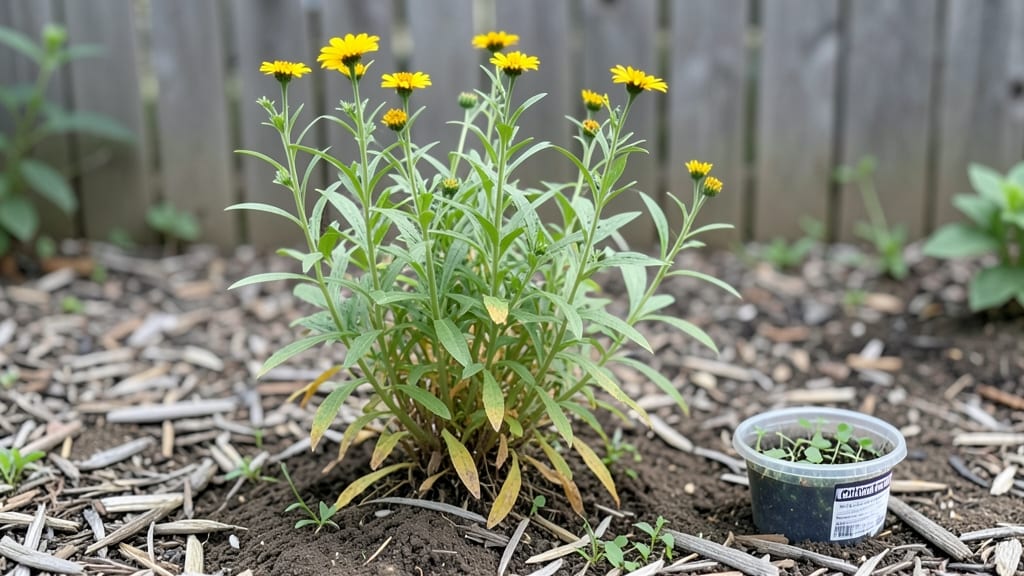
Cold-stratifying Chadon Beni seeds is the secret to breaking dormancy and getting those velvety purple blooms next spring. 🌱 I’ve struggled with finicky seeds before, but this method works every time—no more waiting years for germination.
The key is mimicking winter’s chill, which tricks the seeds into thinking it’s time to wake up.
You’ll need a few simple supplies: a plastic bag with a damp paper towel, a sealed container, and your fridge’s coldest shelf. Plant the seeds at a shallow depth—just a quarter-inch—and keep them moist but not soggy.
Within 6-8 weeks, you’ll see those first tiny sprouts pushing through, ready for their spring debut.
Once they germinate, transplant them into well-draining soil with bright, indirect light. Keep the soil lightly moist and avoid overwatering—Chadon Beni hates soggy roots. Within a few weeks, you’ll have lush foliage and those signature purple blooms, adding a pop of color to your garden.
This method works for beginners and experienced gardeners alike, and it’s especially useful if you’re in a warmer climate where seeds might not get enough natural cold exposure. Here’s how to do it step by step—no guesswork, just reliable results.
📚 In This Guide
- What you need
- Instructions
- Tips and common mistakes
- Wrapping up and next steps
What you need
- ● Chadon Beni seeds: 10–20 seeds (adjust based on desired quantity). Opt for fresh, high-quality seeds for best germination rates.
- ● Cold stratification medium: Option 1: Damp peat moss or coco coir (1 part peat moss to 1 part perlite for aeration).
- ● Option 2: Wet paper towels or damp sand (sterilized, if possible).
- ● Storage container: A sealed plastic bag, ziplock bag, or small glass jar with an airtight lid.
- ● Label & marker: To track stratification start dates and seed variety.
- ● Refrigerator: A standard fridge (34–40°F / 1–4°C) with consistent humidity.
- ● Humidity tray: A shallow tray with a lid to maintain moisture levels during stratification.
- ● Seedling trays or pots: Small biodegradable pots or trays (2–3 inches deep) for post-stratification planting.
- ● Grow lights or sunny windowsill: For seedlings once they sprout (12–16 hours of light/day).
- ● Fungicide: A mild solution (like hydrogen peroxide 3%) to prevent mold if using organic mediums.
- ● Plant journal: To log stratification progress and germination timelines!
Step-by-step instructions for cold stratifying Chadon Beni seeds
This method guarantees strong, vibrant blooms by mimicking nature’s winter cycle.
🌱 Step 1: Collect and Prepare the Seeds
Start by gathering fresh Chadon Beni seeds—ideally harvested from healthy plants in late summer or early fall. If you’re using store-bought seeds, ensure they’re labeled for cold stratification. Place the seeds in a small paper towel or coffee filter, then dampen it lightly with room-temperature water until evenly moist but not soggy.
Fold the towel to contain the seeds, then place it inside a sealed plastic bag. Squeeze out any excess water to prevent mold. This setup keeps the seeds hydrated without drowning them. Real talk: if the towel feels damp like a wrung-out sponge, you’re good to go.
❄️ Step 2: Stratify in the Fridge for 6-8 Weeks
Place the sealed bag in the refrigerator’s crisper drawer, where temperatures hover around 35-40°F. This mimics winter’s chill, breaking seed dormancy. Check the seeds weekly—if the towel dries out, add a few drops of water to keep it consistently moist.
Don’t skip this step. Chadon Beni seeds won’t germinate reliably without cold stratification. You’ll see the seeds plump slightly after a few weeks—that’s your signal the process is working. If condensation forms inside the bag, open it briefly to air out excess moisture and prevent mold.
🌱 Step 3: Sow Stratified Seeds in Early Spring
After 6-8 weeks in the fridge, remove the seeds and let them sit at room temperature for 24 hours to warm up. Fill small pots with well-draining potting mix (I use a blend of peat moss and perlite for aeration) and plant the seeds ¼ inch deep, spacing them ½ inch apart.
Cover the pots with a clear plastic dome or plastic wrap to retain humidity, then place them in a warm, bright spot (like a sunny windowsill or under grow lights). Keep the soil consistently moist—never soggy. You’ll see tiny sprouts in 2-4 weeks, signaling successful germination.
☀️ Step 4: Harden Off and Transplant
Once seedlings develop 2-3 sets of true leaves (about 6-8 weeks after sowing), start hardening them off. Move the pots outdoors to a shaded, sheltered spot for 1-2 hours daily, gradually increasing exposure over 10-14 days.
Transplant to the garden after the last frost date, when soil temperatures reach 50°F. Space plants 12-18 inches apart in full sun to encourage lush growth and abundant blooms. Watch for the first flush of deep purple flowers—your reward for patience!
Tips & tricks for perfect Chadon Beni seed stratification
Cold stratification might seem intimidating, but these simple tricks will help you achieve reliable germination every time.
Paper Towel Selection: Not all paper towels are created equal—opt for a single-ply, unbleached paper towel instead of thick, multi-ply brands. The thinner towel allows for better moisture distribution and air circulation, which prevents mold while keeping seeds hydrated. I've learned this the hard way after ruining seeds with overly thick towels that trapped too much moisture.
Temperature Matters: The 35-40°F range in your fridge's crisper drawer is perfect, but not all fridges are equal. If your fridge runs cooler, place the bag on a shelf closer to the back where it's typically warmer. You're aiming for that winter chill without crossing into freezer territory. Trust me on this—too cold and you'll slow down germination instead of helping it.
Weekly Check Strategy: When you check your seeds weekly, don't just eyeball the moisture. Gently squeeze the towel—it should feel like a well-wrung-out sponge, not a dripping wet washcloth. This consistent moisture is what breaks seed dormancy without causing rot. I mark my calendar with reminders because I've forgotten more times than I'd like to admit!
Make-Ahead Strategy: You can actually start the stratification process up to 24 hours before your intended planting date. Just keep the sealed bag in the fridge during this time. This flexibility means you can prep everything while you're waiting for the last frost date to pass. The seeds will stay perfectly dormant until you're ready to plant them in Step 3.
Pro Tips for Chadon Beni Seeds
- Cold stratification might seem intimidating, but these simple tricks will help you achieve reliable germination every time.
- Paper Towel Selection: Not all paper towels are created equal—opt for a single-ply, unbleached paper towel instead of thick, multi-ply brands.
- Temperature Matters: The 35-40°F range in your fridge's crisper drawer is perfect, but not all fridges are equal.
Frequently asked questions
about Chadon Beni seeds—here’s what you need to know before diving into cold stratification!What is cold stratification, and why do Chadon Beni seeds need it?
Cold stratification mimics winter conditions to break seed dormancy. Chadon Beni seeds (Cyclamen hederifolium) often require this step because their tough outer coats need a "chilling period" (typically 6–8 weeks) to soften. Without it, germination rates drop dramatically—sometimes to near zero! Think of it as a natural "wake-up call" for the seed.
How long should I cold-stratify Chadon Beni seeds?
For best results, stratify seeds in the fridge (34–40°F) for 6–8 weeks. Use a damp paper towel or moistened peat moss, then check monthly for sprouts. Pro tip: Label your containers with the start date to avoid over-stratifying—some seeds may germinate faster!
Can I skip cold stratification if I’m impatient?
While you can try soaking seeds in warm water for 24 hours or using a heat mat, success rates plummet. Cold stratification is the gold standard for Chadon Beni. If you’re desperate for faster blooms, consider buying established plants instead—but where’s the fun in that?
What happens if my seeds mold during stratification?
Mold is a red flag! If you spot fuzzy growth, discard the batch immediately—it’s a sign of excess moisture or contamination. To prevent this, use sterilized containers, avoid overwatering, and store seeds in a well-ventilated fridge. Keep humidity high but not soggy (like a damp sponge, not a swamp!).
Are Chadon Beni seeds hard to germinate even after stratification?
Yes! Even with proper chilling, germination can be slow and unpredictable—some seeds take 2–4 months to sprout. Patience is key! Use a clear container to monitor progress, and keep soil temps 65–70°F after stratification. If nothing emerges after 3 months, the seeds may have expired—try a fresh batch!
Wrapping up and next steps
Chadon Beni seeds may seem tricky at first, but with cold stratification and a little patience, you’re well on your way to vibrant spring blooms! 🌱 The key is mimicking nature’s timing—moisture, chill, and consistency—to break dormancy and boost germination rates.
Whether you’re a seasoned gardener or just starting, this method unlocks the potential of these stunning flowers.
Ready to transform your garden? Start your seeds today—grab your supplies, follow the steps, and watch your efforts bloom into a breathtaking display next season. Happy gardening! 🌸