
Featured
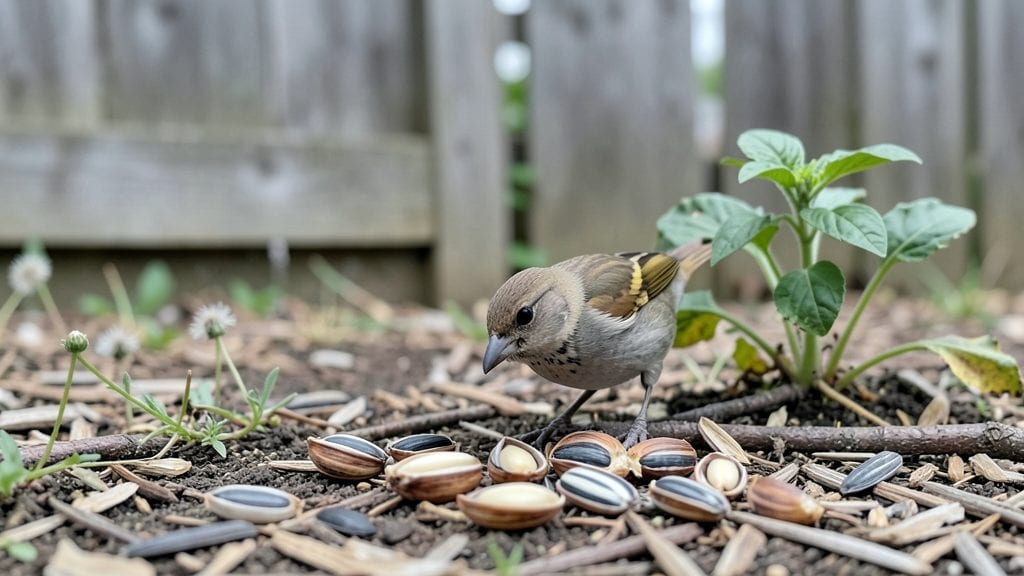
Yes, finches can eat sunflower seeds, but they prefer the hull-less black oil variety for easier handling and higher fat content, which supports their high-energy diets and migration needs. Avoid salted or flavored seeds, and provide them in moderation alongside fresh greens and insects.
Sunflower seeds are a finch favorite because they pack essential nutrients like linoleic acid (a healthy fat) and protein, which help maintain their energy levels during flight and breeding seasons. 🔥 The black oil variety is especially popular because its thin shells make it easier for small birds to crack open.
I always recommend offering them as a supplement rather than a staple—finches need variety to stay healthy, so pair seeds with leafy greens or mealworms for balanced nutrition.
When feeding sunflower seeds, stick to unsalted, unflavored varieties to avoid health risks like dehydration or sodium poisoning. Whole seeds can pose choking hazards for smaller finch species, so crushing them slightly or offering pre-shelled options is safer.
If you're transitioning wild finches to a captive diet, introduce seeds gradually to prevent digestive upset while ensuring they still get natural foraging opportunities.
💡 In This Article
- Sunflower Seed Nutrition for Finches: Fat, Protein, and Energy Breakdown
- Safe Sunflower Seed Feeding: Best Practices and Risks to Avoid
Sunflower seed nutrition for finches: fat, protein, and energy breakdown
Finches rely on sunflower seeds for their high concentration of linoleic acid, an omega-6 fatty acid that makes up about 50-60% of the seed's fat content.
This essential fat provides the energy finches need for rapid wing beats during flight—especially during migration, when they can travel up to 100 miles per day.
The seeds also contain roughly 20-25% protein by weight, supporting muscle maintenance and feather growth during molting seasons. 🔥 Unlike human diets, finches can't synthesize these fats, making sunflower seeds a critical dietary component.
Black oil sunflower seeds stand out because their thin shells and high fat-to-shell ratio make them easier to process. A single 1-gram black oil seed contains about 50-60 calories, while striped seeds (with thicker shells) provide only 30-40 calories per gram after accounting for the inedible shell.
The hull-less varieties also reduce waste—finches spend less time pecking and more time eating, which is crucial during breeding when females need extra energy to incubate eggs. The dark color of black oil seeds isn't just cosmetic; it indicates higher pigment levels, which may support finch plumage health.
Here's what happens when finches metabolize these seeds: The linoleic acid is converted into energy through aerobic respiration in their mitochondria, while the protein is broken down into amino acids for tissue repair.
During migration, finches can double their body weight by consuming seeds and insects, storing fat in their pectoral muscles—this adaptation allows them to fly nonstop for days. 🌟 The seeds' high water content (5-7%) also helps maintain hydration, though finches still need fresh water sources to prevent dehydration from dry seed diets.
Seasonal needs dictate how much sunflower seeds finches should consume. In winter, when natural food sources are scarce, seeds can make up 50-70% of their diet. But during spring breeding, experts recommend reducing seed portions to 30% of total intake to prevent obesity, which can impair flight.
The key is balance—finches in captivity often lack the exercise of wild foraging, making portion control essential. A good rule of thumb is offering 1-2 teaspoons of seeds per 5 finches daily, adjusted based on their activity level and access to other foods.
What most people overlook is how sunflower seeds interact with a finch's digestive system. The seeds' hard shells require strong beak muscles to crack, which helps maintain jaw strength—similar to how humans benefit from chewing tough foods.
However, the high fat content can lead to fatty liver disease if overconsumed, especially in sedentary captive birds. 💫 To mitigate this, always pair seeds with fibrous foods like dandelion greens or chopped vegetables, which aid digestion and prevent impaction.
For a visual comparison, imagine a finch's daily caloric intake as a 100-calorie budget. Sunflower seeds might cover 40-60 calories, with insects providing 20-30 calories and greens contributing the rest. This balance ensures they get both quick energy (from fats) and sustained nutrition (from proteins and vitamins).
During migration, that budget can spike to 150 calories daily as they prepare for long flights—making sunflower seeds their go-to energy booster.